What Custom Cabinet Installation Actually Covers
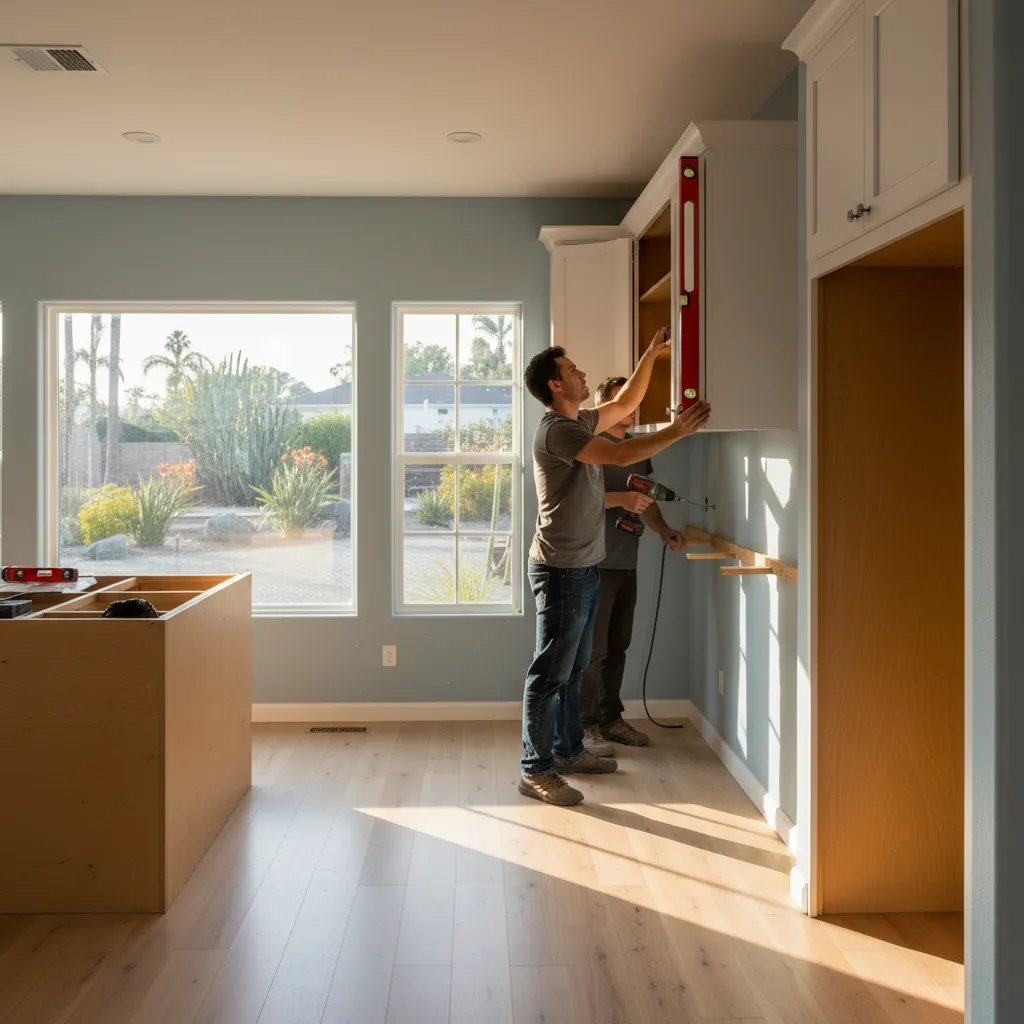
Custom cabinet installation isn't just swapping out old boxes for new ones. It's a full process that starts with measuring your exact space and ends with doors that close perfectly every single time. This work happens across Van Nuys daily, and no two kitchens are the same.
Most people call thinking they need a quick fix. Then a contractor shows up and finds the old cabinets were shimmed with cardboard, the walls aren't plumb, and the floor slopes half an inch from one end to the other. That's the reality in a lot of homes near Lake Balboa and throughout the valley. So the job is never just "hang some cabinets."
Here's what the full scope actually looks like:
- Removing existing cabinets and prepping walls, including drywall repair if needed
- Checking walls for level and plumb before a single cabinet goes up
- Installing upper wall cabinets first, then base cabinets, then fillers and trim
- Cutting and fitting panels around plumbing lines, electrical, and gas connections
- Adjusting hinges, drawer slides, and soft-close hardware so everything operates smooth
More often than not, the biggest chunk of time goes into prep. Not the install itself. Getting those first two cabinets dead level sets the tone for every piece that follows. Rush that step and you'll see gaps, crooked doors, drawers that won't stay shut.
And it's not only kitchens. Custom cabinet installation covers bathrooms, laundry rooms, home offices, even garage conversions. One Van Nuys project involved a full wall of floor-to-ceiling storage in a converted garage. The cabinets had to work around an existing electrical panel and a water heater alcove. Tight fit, but that's what custom means.
A contractor also coordinates with other trades when the project calls for it. If you're pairing new cabinets with a quartz countertop installation or a full kitchen remodel, the sequencing matters. Cabinets go in first. Countertops get templated after. Get that order wrong and you're looking at costly delays.
Bottom line: this work touches framing, drywall, plumbing clearances, and finish carpentry. It's not one trade, it's several rolled into one job done right.
What to Expect During the Installation Process
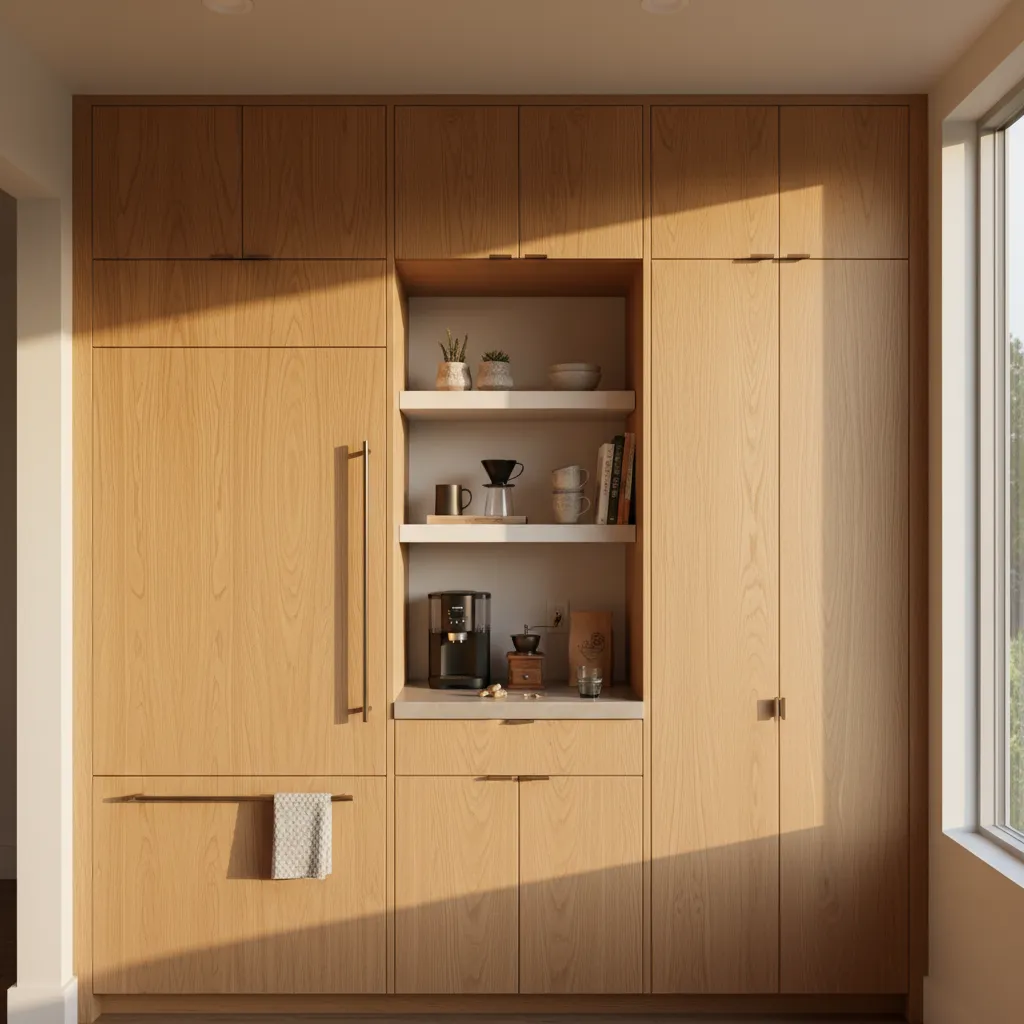
Most folks in Van Nuys picture a quick swap when they think about custom cabinet installation. The reality is more involved, but it's also more rewarding than you'd expect.
Here's how a typical job moves from start to finish once the crew shows up:
- Prep and protection. The crew covers your floors, countertops, and appliances before anything gets touched. Old cabinets come out carefully. The wall framing behind them gets checked for damage or moisture.
- Level and layout. Chalk lines and laser levels map every cabinet position. Older homes near Lake Balboa and throughout the Valley often have walls that aren't plumb, so this step matters more than people realize.
- Upper cabinets first. Wall cabinets go in before base cabinets. It's easier, safer, and leaves room to work without obstacles below.
- Base cabinets and shimming. Each base unit gets leveled individually, then tied to its neighbor. Shims go in where the floor dips — there's almost always at least one low spot hiding under the old layout.
- Doors, drawers, hardware. Everything gets hung, adjusted, and tested. Soft-close hinges get fine-tuned. Drawer slides get checked for smooth travel.
- Final walkthrough with you. The contractor opens every door and pulls every drawer with you. If something feels off, it gets fixed on the spot.
A standard kitchen takes most crews three to five days depending on the size and complexity. But a smaller project like a bathroom vanity or a built-in pantry wall might wrap in a day or two.
It comes up every single week. Homeowners worry about the mess, the noise, the disruption to their routine. That's fair. But a good crew contains the work zone tightly and cleans up at the end of each day. You won't be stepping over tools at midnight.
One thing that surprises people is how much better their kitchen feels even before the countertops go on. Just seeing straight, solid boxes on the wall changes the whole energy of the room. And because the measuring and material ordering happen before install day, there's no waiting around for parts that didn't show up.
Ready to get this moving? Give us a call and we'll match you with a contractor to walk through your space.
How Older San Fernando Valley Homes Change the Job
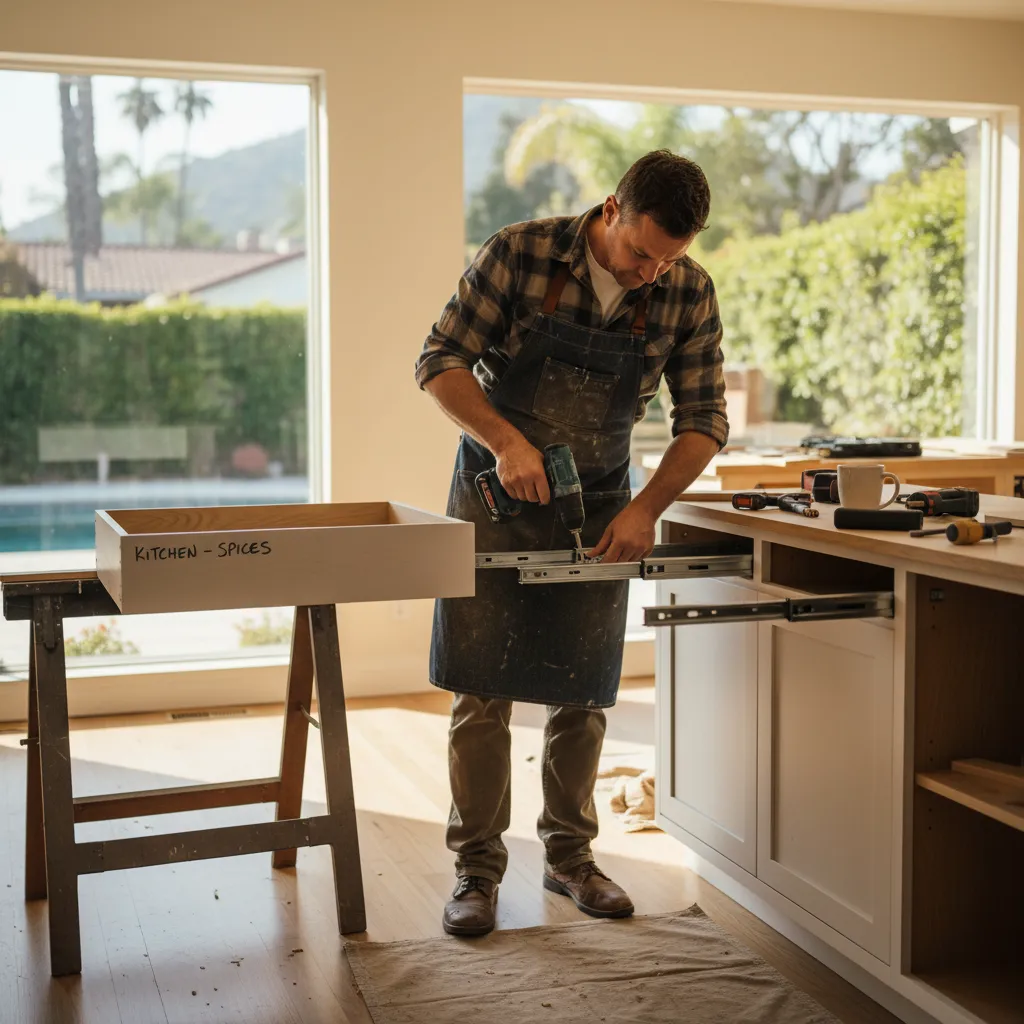
Most homes around Van Nuys were built between the 1940s and 1970s. That matters more than people think.
Older kitchens weren't designed for today's cabinet sizes. Walls aren't always plumb. Floors slope. Corners that look square from across the room are off by half an inch or more when you press a level against them. This turns up on nearly every custom cabinet installation in the Lake Balboa area and throughout older neighborhoods. More often than not, the biggest surprise isn't the cabinets themselves. It's what's hiding behind the old ones.
Common Issues Behind the Walls
Once existing cabinets come out, here's what typically turns up:
- Outdated plumbing that doesn't match current fixture placements
- Plaster-and-lath walls that won't hold standard mounting hardware
- Electrical wiring that needs rerouting for under-cabinet lighting or new outlet positions
- Water damage or termite damage in the framing behind the sink area
None of this is a dealbreaker. But you need a crew that spots it before the cabinets go up, not after. On plenty of jobs, someone bolted beautiful new boxes into soft, damaged studs. That's a problem waiting to happen.
Plaster walls are the big one. Drywall takes a screw and holds it. Plaster cracks, crumbles, and fights you the whole way. A good crew uses specific blocking techniques and longer fasteners to get a rock-solid mount in these older Van Nuys homes. And if the plaster is too far gone in a section, the drywall installation in that area happens before the cabinets go on.
Floor slope is another thing that comes up constantly. A cabinet that's level on a sloped floor will have a visible gap at the top where it meets the wall. So the crew shims from the base up, then scribes the trim pieces to follow the ceiling line. It takes longer. It looks right.
But here's the upside. Older homes have character. Higher ceilings in some mid-century builds near Sepulveda leave room for taller uppers or crown molding details that newer tract homes can't pull off. That extra space opens up design options you wouldn't expect.
How to Prepare Your Space Before Installation Day
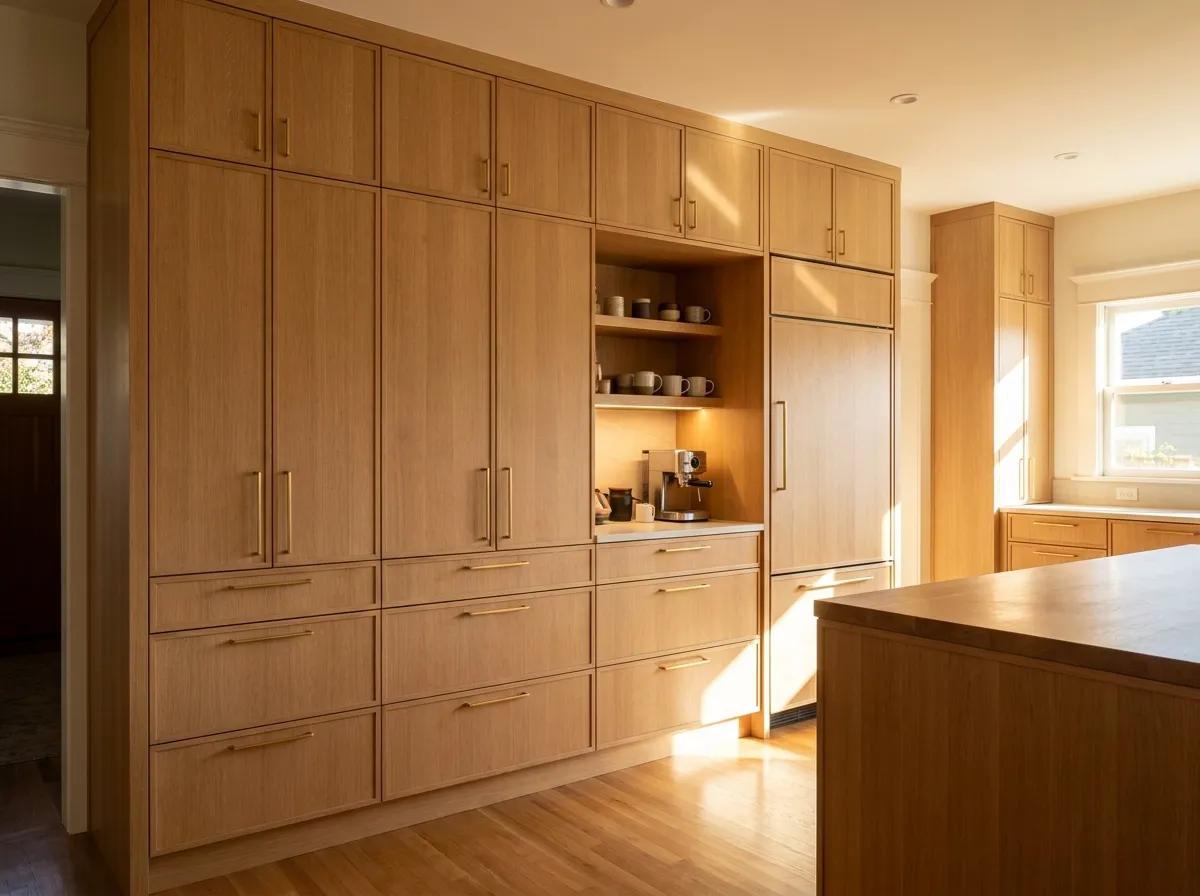
A little prep goes a long way. Every Van Nuys homeowner hears the same thing before custom cabinet installation starts: the more ready your space is, the faster the crew works.
Most people don't realize how much dust and debris a cabinet project kicks up. So clearing out the room matters. Not just the counters. Everything. Dishes, small appliances, food in nearby pantries, decorations on walls. If it's breakable or in the way, move it to another room. Crews show up to homes near Lake Balboa where the kitchen is still fully stocked, and that adds a half day just to protect and shuffle things around.
Your Prep Checklist
Here's what to handle before the crew arrives:
- Empty all existing cabinets completely. Every shelf, every drawer.
- Clear countertops and remove anything mounted to walls in the work area.
- Move your fridge and any portable appliances to a garage or spare room.
- Set up a temporary kitchen station somewhere else. You won't have access to the space for a few days.
- Make sure there's a clear path from your front door to the install area. The crew carries large pieces through hallways and around corners.
That last one catches people off guard. But custom cabinets aren't flat-pack boxes. They're solid, heavy, and sometimes awkward to maneuver through tight Van Nuys hallways built in the 1960s.
If you have pets, keep them in a separate part of the house. Open doors, power tools, sharp materials. Not a good mix.
It also helps to confirm your electrical outlets work and that any plumbing shutoffs are accessible. A licensed crew handles the technical side, but clear access from the start matters. More often than not, when a job gets delayed, it's because something simple wasn't moved or a water valve was buried behind storage bins.
One more thing. If old cabinets are still in place, don't try removing them yourself. The crew handles demolition safely and disposes of everything properly. Pulling cabinets without knowing what's behind them can damage plumbing lines or electrical wiring hidden in the wall cavity.
Prep right and installation day feels smooth. Skip it and everyone's playing catch-up.
What to Ask Before Hiring a Cabinet Installer in Van Nuys
Most people don't know what to ask. They call a few numbers, get a few quotes, and pick the cheapest one. Then three months later the doors won't close right.
Here's what actually matters when you're talking to someone about custom cabinet installation.
Start with licensing. California requires a C-6 cabinet and millwork license for this type of work. Ask for the number. Look it up on the CSLB website yourself. Unlicensed crews working jobs near Panorama City and Lake Balboa have cost homeowners double to fix. A license isn't just paperwork, it's proof someone knows building code.
Then dig into the details that separate real installers from handymen:
- Do they handle wall prep, or do you need to hire someone else for that?
- Will they shim and level everything, or just mount boxes to whatever's there?
- Can they work around existing plumbing and electrical without subbing it out?
- Do they build a cut list on site or rely only on measurements taken weeks earlier?
That last one matters more than you'd think. Walls in Van Nuys homes shift. Especially in older builds from the '50s and '60s. A measurement from two weeks ago can be off by a quarter inch, and that's enough to throw off an entire run of cabinets.
Ask to see photos of finished kitchens. Not renderings. Not catalog shots. Actual installs they've done. Any installer worth hiring keeps a full portfolio and is proud to show it.
One more thing people forget to ask. "What happens if something doesn't fit?" Because it happens. A good crew adjusts on site. They scribe panels to uneven walls, trim fillers to exact gaps, and make it look like everything was built in place. A bad crew shrugs and leaves a visible gap behind a piece of trim.
Not sure where to start with your questions? Give us a call and we'll match you with a contractor who can answer them.
And always ask about timeline. Custom cabinet installation isn't a one-day job. If someone tells you it is, that's a red flag worth paying attention to.