What Detached ADU Construction Actually Involves
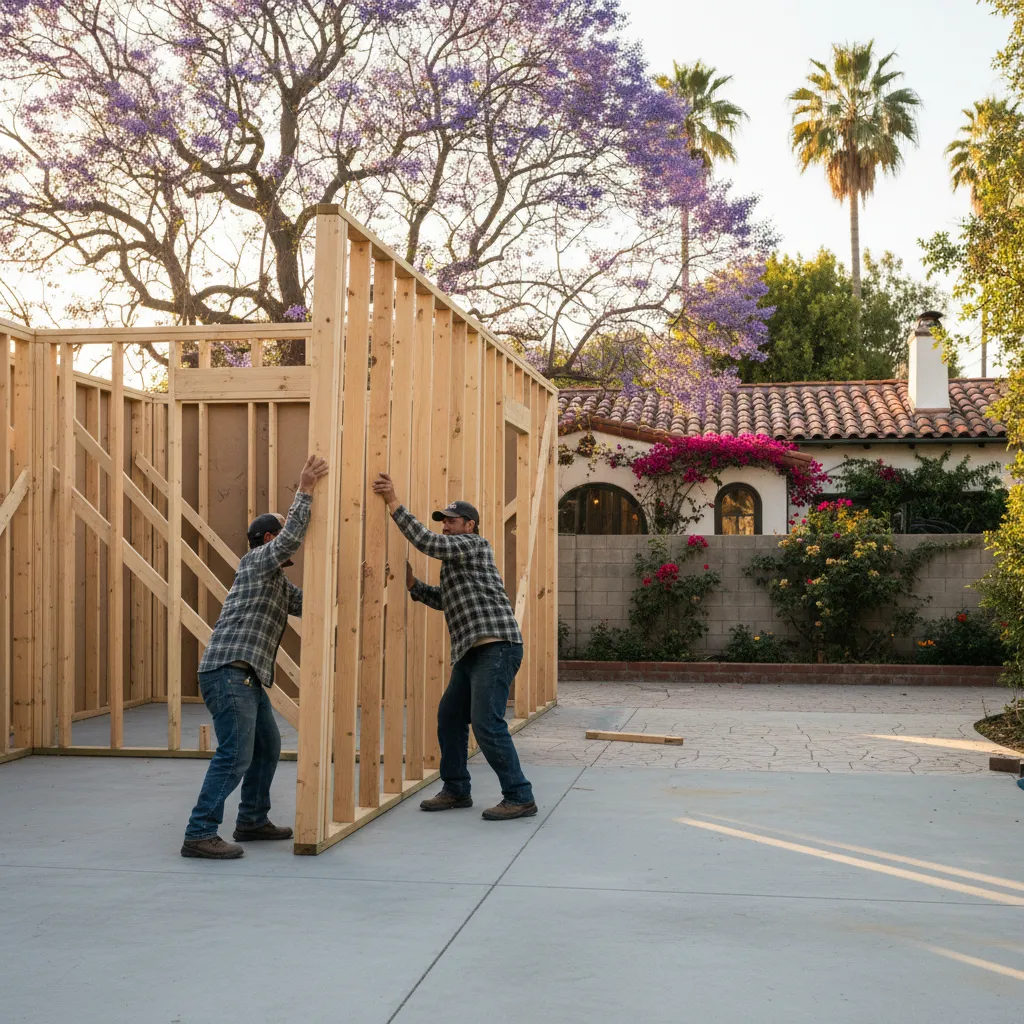
Most people picture a small backyard cottage and think, "How hard can it be?" Harder than you'd expect. Detached ADU construction is a full ground-up build, just on a smaller footprint. It needs a real foundation, real framing, real plumbing and electrical. It's not a shed with drywall.
Here's what the process actually looks like once permits are in hand:
- It starts with site prep and grading. Your Van Nuys lot may have slopes, old tree roots, or buried irrigation lines that have to be dealt with first.
- Foundation construction goes in next. Slab-on-grade is the most common for detached units here, but the soil report determines what's needed.
- Structural framing goes up. This is where the unit starts to look real. Walls, roof trusses, window and door openings all take shape in about a week for most builds.
- Rough plumbing, electrical, and HVAC get run through the walls before anything gets closed up. Inspectors check every line.
- Drywall installation, exterior finishes, and roofing happen next.
- Final finishes go in last. Flooring, cabinets, countertops, fixtures, paint.
Every single step requires a separate inspection from the City of Los Angeles. An experienced Valley contractor who has pulled hundreds of permits knows what inspectors around Lake Balboa and the surrounding neighborhoods look for before they'll sign off.
And here's something folks don't always realize. A detached ADU needs its own utility connections. That means a separate sewer lateral, a new electrical panel or sub-panel, and sometimes a dedicated water line from the street. State housing law says local agencies can't require these connections to exceed what's proportional to the unit's size, but the work still has to get done right.
Homeowners try to cut corners on underground utilities all the time. It never saves money. It just creates problems that show up six months after move-in.
The whole build typically runs four to six months from permit approval to final sign-off. That timeline depends on the unit's size, the lot conditions, and how fast the city schedules inspections. But the scope of work? It's the same whether you're building 400 square feet or 1,200.
How Van Nuys Lot Conditions Shape Your ADU Plan
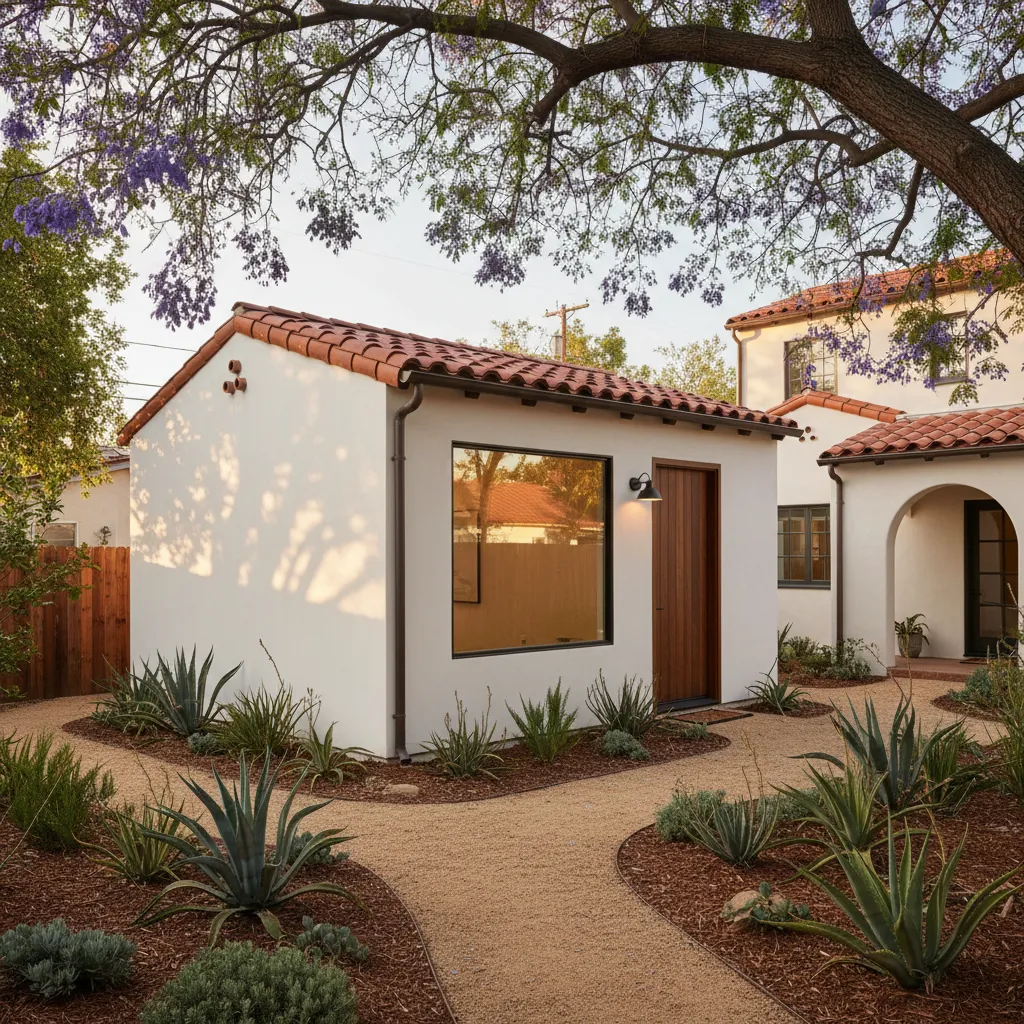
Your lot tells a contractor almost everything before a single line gets drawn. No two Van Nuys properties are the same — the shape, the slope, the soil, the setbacks all change what's possible.
Most residential lots here sit between 5,000 and 7,500 square feet. That sounds like plenty of room until you factor in the city's setback requirements. You typically need four feet from the side property line and four feet from the rear. On narrower lots near Vanowen Street, those few feet can shrink your buildable area fast. Everything gets measured on-site before anyone talks about floor plans.
Common Lot Challenges in Van Nuys
Every property has its quirks. Here's what shapes a detached ADU plan more than anything else:
- Existing trees with root systems that limit where a foundation can be poured
- Older sewer lines that run through the middle of the backyard
- Slopes or uneven grading that require retaining walls or stepped foundations
- Detached garages or block walls that need demolition before the build starts
That sewer-line issue comes up constantly. One homeowner in the Lake Balboa area wanted an 800-square-foot unit right in the center of the yard — but a clay sewer main cut diagonally across the entire space. The line had to be rerouted first, then the footprint redesigned to sit three feet east of the original plan. That kind of thing doesn't show up on Google Maps.
Soil type matters too. Sandy soil drains well but sometimes needs deeper footings. Clay-heavy soil holds water and can shift during the dry-to-wet seasonal swings. A soils report tells a contractor exactly what they're working with — it's one of the first things a good one orders after walking your property.
And then there's access. Can a concrete truck get to the backyard? Is there a gate wide enough for framing materials? Some properties along Sylvan Street have tight side yards that force crews to crane materials over the house. That's not a dealbreaker. But it changes the build schedule and the logistics plan.
So before you fall in love with a Pinterest floor plan, have a licensed contractor look at your actual lot. The land always has the final say — and we can connect you with someone who will.
The Permit Process Through LADBS for Van Nuys Properties
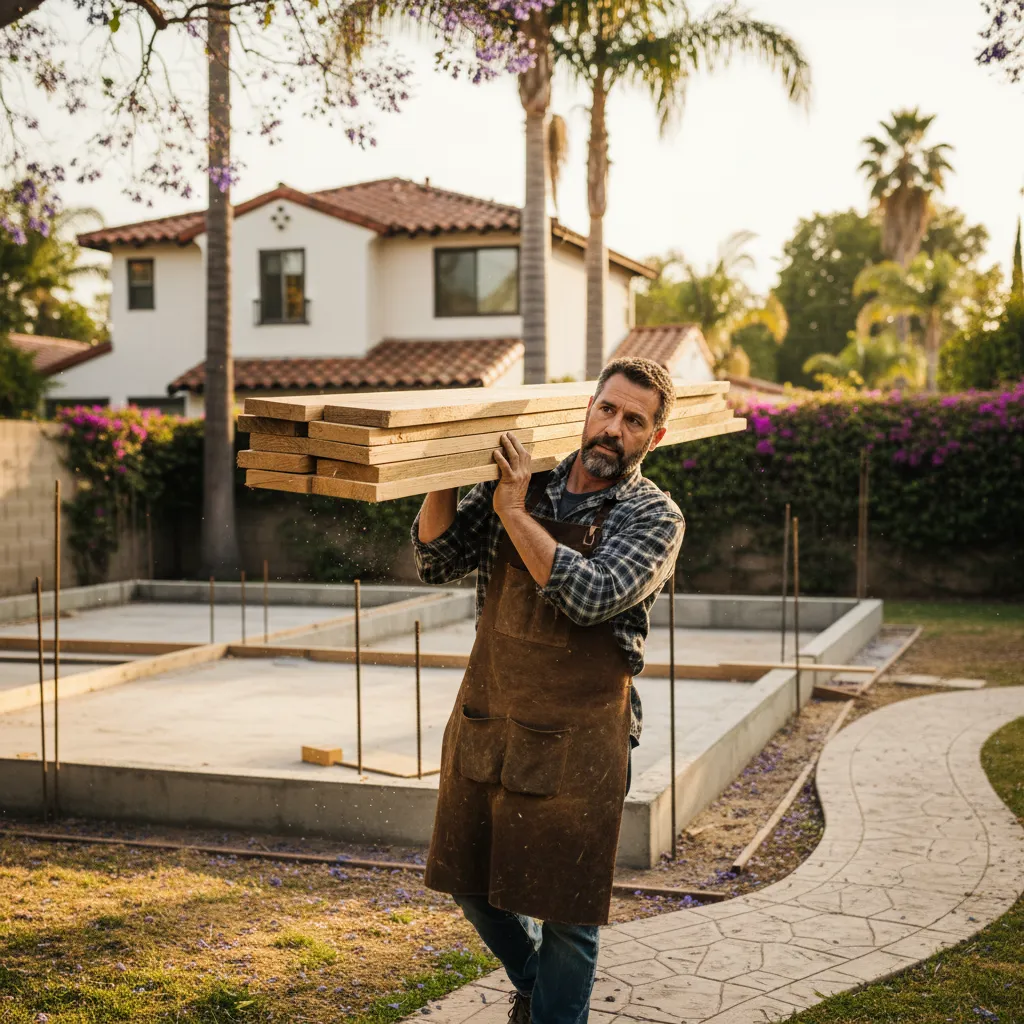
Permits scare people. Understandable. But the permit process for detached ADU construction through the Los Angeles Department of Building and Safety isn't as bad as you've heard — it just moves at its own pace.
Here's what actually happens when a contractor pulls permits for a property in Van Nuys. First, the plans need to meet current California building code plus the city's specific ADU ordinance. The good news? California has stripped away a lot of the old barriers. No owner-occupancy requirement for most ADUs. Reduced setback rules. Parking exemptions if you're within half a mile of public transit. Many spots near Van Nuys Boulevard qualify.
The LADBS process breaks down into clear steps:
- Submit architectural plans and engineering documents through the LADBS online portal.
- Plan check review, where the city examines structural, mechanical, electrical, and plumbing details.
- Address any correction letters from the plan checker.
- Receive the approved permit and schedule the first inspection.
- Pass all required inspections during construction, from foundation to final.
California state law requires local agencies to act on ADU applications within 60 days. That's the law. Reality can stretch longer if plans need corrections, but major delays are rare when drawings are done right from the start.
The holdup is almost always incomplete paperwork, not the city being difficult. Missing Title 24 energy calculations. Grading plans that don't match the survey. Structural details that leave questions. A good contractor handles all of that before anything gets submitted.
And here's something most homeowners near Lake Balboa don't realize. Your lot might need a soils report or a sewer capacity study depending on the zone. The right contractor checks those requirements early so nothing surprises you mid-build.
The permit isn't just a hoop to jump through. It protects your investment. An unpermitted structure can kill a home sale, trigger fines, or void your insurance. It happens to Van Nuys homeowners who try to skip this step with unlicensed builders. Not worth the risk.
Want help figuring out where your property stands? Give us a call and we'll match you with a licensed contractor.
Construction Sequence From Ground Break to Final Inspection
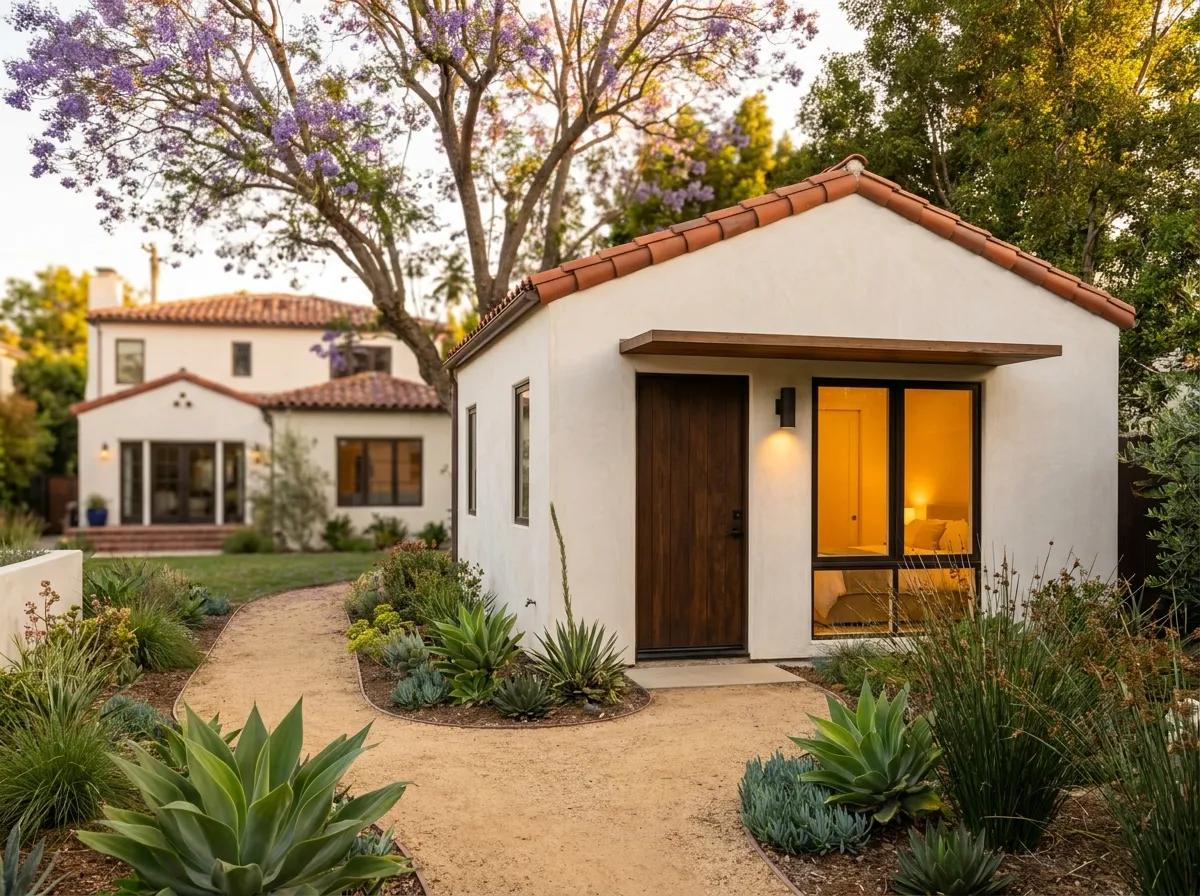
Most homeowners in Van Nuys ask the same thing: "Once building starts, what actually happens out there?" Fair question. Detached ADU construction follows a strict order, and skipping steps causes problems that show up months later.
Here's the sequence a build follows:
- Site prep and grading. The crew clears the build area, levels the ground, and marks utility trenches. If your lot near Lake Balboa Park slopes even a little, this step takes extra care.
- Foundation construction. A concrete slab or raised foundation gets poured depending on the soil report. The city inspector checks rebar placement and depth before any concrete goes in.
- Underground utilities. Sewer, water, gas, and electrical conduit get trenched from the main house to the new structure. These lines have to pass inspection before they're backfilled.
- Structural framing. Walls go up, roof trusses get set, and sheathing wraps the exterior. This is when the ADU starts looking real.
- Rough-in inspections. Plumbing, electrical, and HVAC get installed inside the walls. The city returns to verify everything meets code before the walls close up.
- Insulation, drywall installation, and exterior finish. The building envelope gets buttoned up, drywall goes in, then stucco or siding outside.
- Finish work. Flooring, cabinets, countertops, fixtures, paint. This is where your choices come to life.
- Final inspection and certificate of occupancy. The building department does a full walkthrough. Once they sign off, it's yours to use.
The delays that show up most often come from steps two and five. Foundation and rough-in inspections depend on city scheduling, which nobody can control. But a good contractor makes sure everything's ready the moment an inspector arrives, so there's no failed inspection pushing you back weeks.
State building code requires ADUs to meet the same standards as any new residential structure. That's not a shortcut project.
The whole sequence typically runs four to six months for a standard Van Nuys lot. Bigger units or tricky soil conditions stretch that out. A good contractor keeps you updated at every phase so nothing feels like a mystery.
After the Certificate of Occupancy: Rental Readiness Steps
You've got your Certificate of Occupancy in hand. That's a huge milestone. But the detached ADU isn't truly done until someone can move in comfortably.
Van Nuys homeowners ask the same thing all the time: "So now what?" The building passed inspection, the permit's closed out, but there's still a gap between a finished structure and a livable space. Here's what to work through once the city signs off.
- Set up separate utilities. If your detached ADU has its own meter for electric, gas, or water, you'll need to open accounts with LADWP and SoCalGas. This can take a week or two, so start early.
- Get your address assignment confirmed. The city assigns a separate address during permitting, but double-check that USPS recognizes it. Your future tenant needs to receive mail.
- Install appliances and fixtures. Refrigerator, range, washer and dryer hookups. Cabinets and countertops go in during the build, but loose appliances usually go in right at the end.
- Handle landscaping and walkways. The path from the street to the ADU entrance matters more than people think. A concrete walkway keeps things safe and clean, especially during rainy months near Lake Balboa.
- Schedule a final walkthrough. Go through every door, every outlet, every faucet with your contractor. It's easy to catch a small punch-list item the inspector didn't flag.
And don't forget about insurance. Your existing homeowner's policy probably won't cover a separate rental unit. Talk to your agent before anyone moves in. Most carriers in Van Nuys can add a landlord rider or write a standalone policy pretty quickly.
If you're planning to rent the unit, California's ADU laws prevent HOAs from blocking rentals of units permitted after January 2020. That's good news for your bottom line.
One more thing people overlook. Smart locks, a separate Wi-Fi setup, motion-sensor porch lights. Small details that make a tenant feel like they're renting a real home, not a backyard afterthought. Well-finished units near Sepulveda rent within days of listing.
Ready to get your detached ADU across the finish line? Give us a call and we'll find you a licensed contractor.