What Triggers a Full Drywall Installation Job
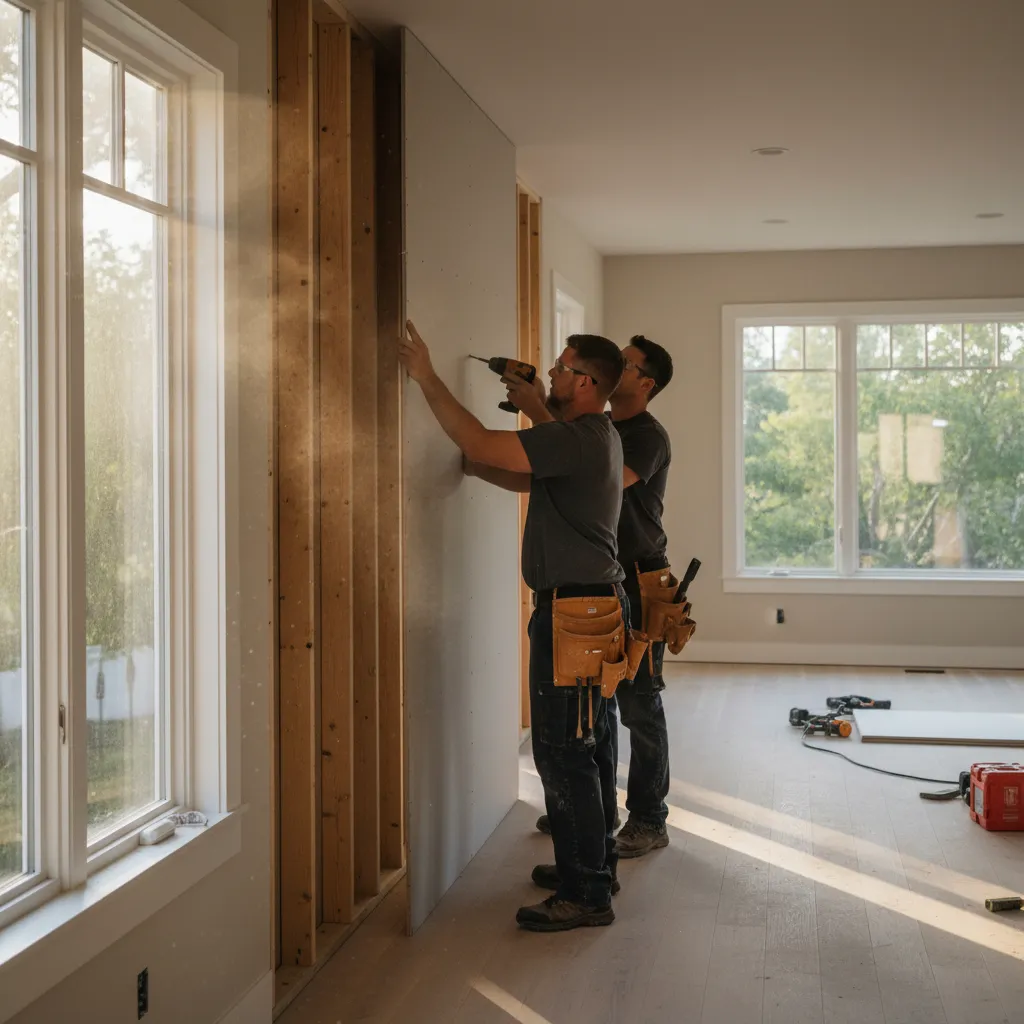
Most people don't wake up thinking about drywall. Something happens first. A crack spreads across the ceiling. Water stains keep coming back. Or you're standing in a gutted room after a remodel, staring at bare studs.
That's usually when the call comes in.
Homeowners across Van Nuys call for all kinds of reasons. But the triggers tend to fall into a few clear categories:
- New construction or additions. If you're building a home addition or a detached ADU, there's no existing drywall. Every wall and ceiling needs fresh panels hung, taped, and finished from scratch.
- Major remodels. A full kitchen remodel or whole-home remodeling project usually means tearing out old walls. Once plumbing and electrical get rerouted, the old drywall can't go back up.
- Water damage beyond repair. Small patches work sometimes. But when moisture has soaked through multiple panels or mold has spread behind the surface, patching just traps the problem. You need full replacement.
- Garage conversions. Converting a garage to living space means the walls need to meet residential building codes. That bare sheathing or exposed framing won't cut it.
- Structural work. After foundation repair or structural framing, walls often get opened up. Putting them back together right means new drywall installation, not shortcuts.
Here's the rule of thumb for the Lake Balboa area and throughout the neighborhood. If more than 30 percent of a wall is damaged, a full replacement almost always makes more sense than piecemeal patches. Patches show. They crack along the seams over time, and they never quite match the texture around them. A clean install looks better and lasts longer.
And sometimes the trigger isn't damage at all. Some customers just bought a 1960s ranch home and want smooth, modern walls instead of old plaster that's crumbling at every corner. That's a perfectly good reason too.
The point is this. Something brought you here. Whatever it is, a full drywall installation job starts with understanding why the old surface failed or why new panels are needed. That answer shapes everything that comes next.
Choosing the Right Drywall for Each Room and Code
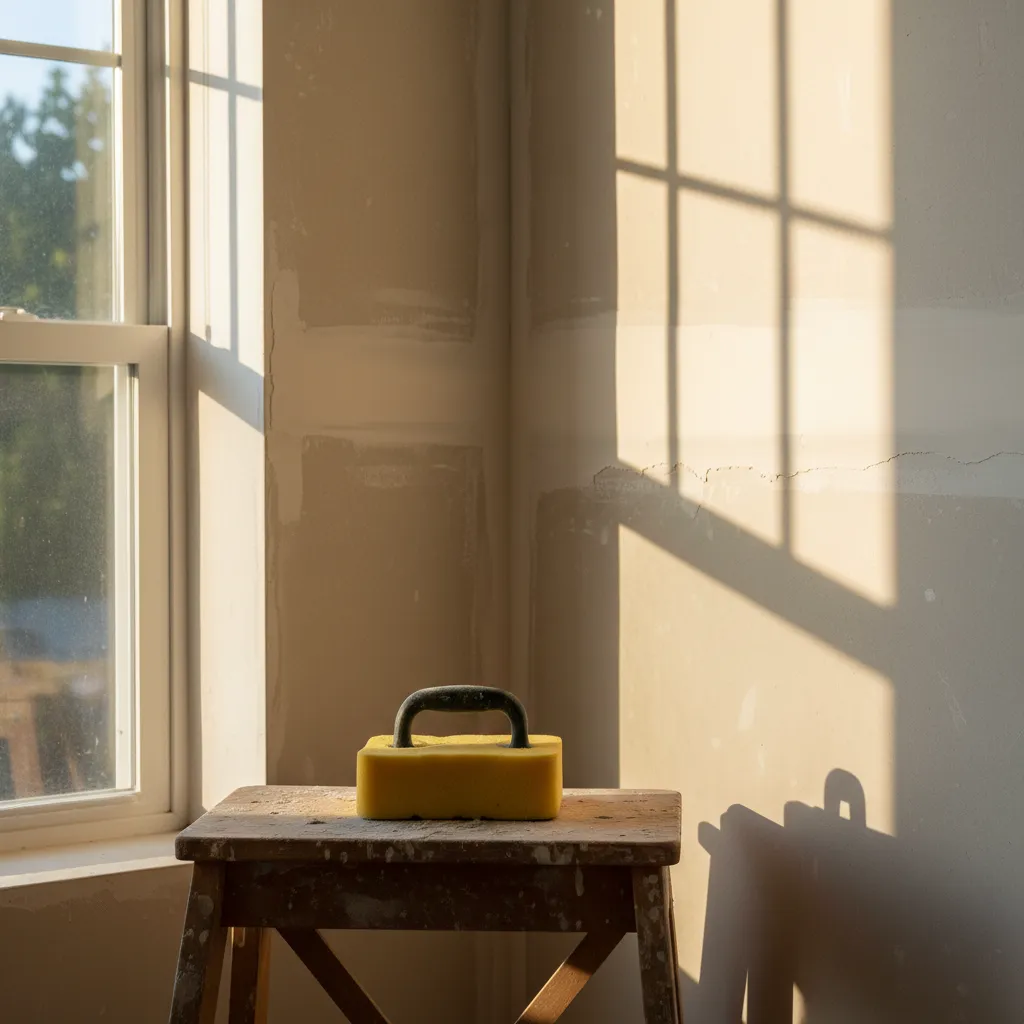
Not all drywall is the same. Picking the wrong type can fail inspection, cost you money, and create problems down the road. A good contractor helps Van Nuys homeowners sort this out before a single sheet goes up.
The room decides the board. Here's what typically gets used and why:
- Standard 1/2-inch drywall for most bedrooms, living rooms, and hallways. It's the go-to for general living spaces.
- 5/8-inch Type X fire-rated drywall for garages, walls shared between units, and areas near furnaces. Los Angeles building code requires this in specific spots, no exceptions.
- Moisture-resistant (green board) drywall for laundry rooms, half baths, and utility closets where humidity builds up.
- Cement board or similar backer for shower surrounds and tub areas. Regular drywall will fail here fast.
This mistake shows up all the time. Someone finishes a garage conversion near Lake Balboa Boulevard using standard half-inch board on the shared wall. Inspector shows up, flags it immediately. Now they're tearing out brand-new work. That's time and money gone.
More often than not, the confusion comes from not knowing what code actually requires for your specific project. A bedroom addition needs different fire separation than a kitchen remodel. And if you're converting a garage into living space, the drywall specs change for the ceiling too.
So how do you know what goes where? That's the contractor's job. A good one pulls the requirements for your project based on current LA City building codes before ordering a single sheet. According to the International Code Council, fire-resistance ratings aren't optional in multi-family separations and attached garages. That gets taken seriously because failed inspections delay everything.
Ceiling height matters too. Rooms with 9 or 10-foot ceilings in newer Van Nuys builds often need longer boards to cut down on seams. A contractor plans the layout so joints land in the least visible spots.
Not sure what your project needs? Give us a call and we'll match you with a contractor to walk through it.
The Drywall Installation Process from Hang to Paint-Ready
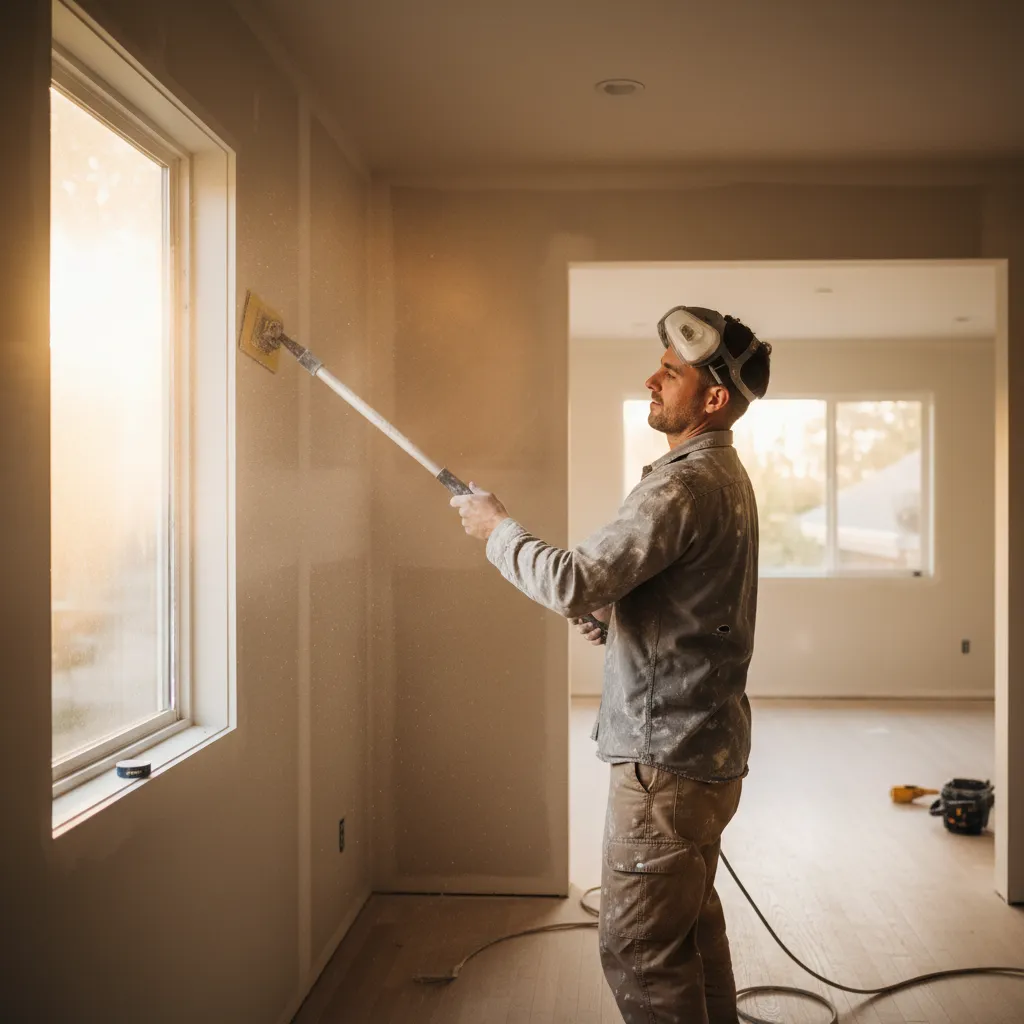
Most people just see the finished wall. They don't think about what happens between bare studs and a smooth surface ready for paint. But every step matters, and skipping one shows up later as cracks, nail pops, or uneven seams.
Here's how drywall installation goes from start to finish:
- Measure and cut panels. Each wall and ceiling section gets measured individually. Homes in Van Nuys aren't always square, especially older builds near Lake Balboa. So every sheet gets custom-cut to fit tight.
- Hang the ceiling first. Ceiling panels go up before walls. This gives the wall sheets something to butt against for a cleaner joint. Screws go every 12 inches along each joist.
- Hang wall panels. Wall panels go from the top down. Staggering the seams keeps joints from lining up — that's what prevents long visible cracks down the road.
- Tape all joints. Paper tape or mesh tape gets embedded in a thin layer of joint compound over every seam. Corners get metal or vinyl bead for a crisp edge.
- Apply joint compound in coats. Three coats minimum. Each one wider than the last. Every coat dries fully before sanding and applying the next.
- Sand to a smooth finish. Final sanding with fine-grit paper or a sanding sponge. The surface gets checked with a work light held at an angle. Any bump or ridge shows up immediately.
More often than not, the problems on other people's jobs come from rushing the compound coats. Two coats slapped on, sanded once, called done. Then the homeowner paints and sees every seam through the finish.
A good contractor won't do that to you.
And here's something most crews skip entirely. Before a wall gets called paint-ready, the entire surface gets skimmed with a thin final coat if the finish level calls for it. According to the Gypsum Association, a Level 4 finish is the minimum standard for flat paint, but a good contractor often takes walls to Level 5 for kitchens, hallways, and anywhere light hits at a sharp angle. That extra step takes time, but it also means your painter has a perfect canvas to work with.
The whole process usually runs a few days for a standard room. Larger projects like a garage conversion or home addition take longer because of the sheer square footage. But a good crew doesn't rush dry times. Ever.
Permits, Licenses, and LA Code Compliance for Drywall Work
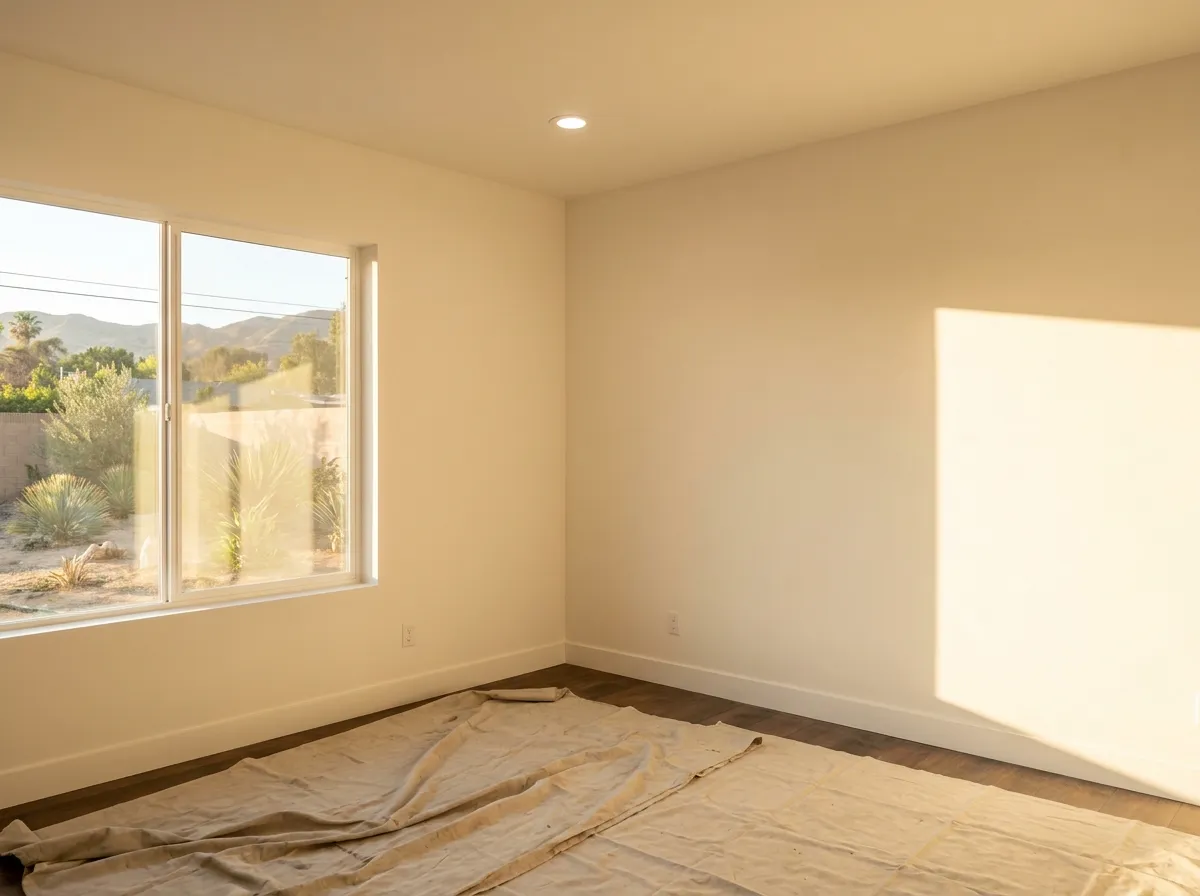
Most people don't think about permits when they hear "drywall installation." But in Van Nuys, the City of Los Angeles has rules that can trip you up fast if you skip the paperwork.
Here's the short version. Small patch jobs and cosmetic repairs usually don't need a permit. But the moment you're hanging new drywall as part of a room addition, a garage conversion, or any project that changes your home's layout, you'll likely need a building permit from LADBS. And if electrical or plumbing work sits behind those walls, inspectors want to see it before a single sheet of drywall goes up.
This comes up all the time near Lake Balboa and throughout the Van Nuys area. A homeowner finishes their garage conversion ADU, gets excited, and wants the drywall done yesterday. But the framing inspection hasn't happened yet. If those walls get covered too early, the city can make you tear it all down. That's wasted money and wasted time.
What Triggers a Permit for Drywall Work
- New construction or home additions where walls didn't exist before
- Garage conversions or ADU builds that change a room's use
- Any project involving structural framing behind the drywall
- Fire-rated assemblies in multi-unit buildings or attached structures
LA code also requires specific fire ratings on drywall in certain spots. Walls between a garage and living space need 5/8-inch Type X fire-rated board. According to the International Residential Code, this rating gives you about one hour of fire resistance. A good contractor doesn't guess on which thickness goes where — it's routine work across Van Nuys.
A licensed general contractor pulls permits properly and schedules inspections at the right stages. That matters more than people realize. Unpermitted work can kill a home sale or trigger fines down the road.
So before you worry about texture or paint colors, the boring stuff has to be handled. The permit process protects your investment. A contractor takes care of it so you don't have to chase down city offices or wonder if something was missed.
Why Finishing Quality Determines Everything You See After Paint
Paint doesn't hide anything. It reveals everything.
That's the part most people don't realize until it's too late. You can pick the most expensive paint color in the store, hire a great painter, and still end up with walls that look bumpy or uneven. More often than not, the problem isn't the paint. It's what happened underneath it during drywall installation.
Finishing is where the real craft lives. After the boards go up, every joint and screw hole gets covered with joint compound. Then it's taped, smoothed, dried, and sanded down. That process repeats in layers. Each pass gets wider and thinner. The goal is a surface so flat that light hits it evenly across the whole wall. When that doesn't happen, you get shadows along seams and ridges that show up the second sunlight comes through a window.
Here in Van Nuys, a lot of homes near Lake Balboa have big living rooms with natural light pouring in all day. Those rooms punish bad finish work. You'll see every ripple, every missed spot, every lazy tape job. And once it's painted, fixing it means stripping everything back and starting over.
There are different finish levels, and the right one depends on your situation:
- Level 3 works fine behind cabinets or in closets where nobody's looking closely
- Level 4 is standard for most rooms with flat or eggshell paint
- Level 5 is what you want for smooth walls under harsh lighting or glossy finishes
A good contractor talks through this with every customer before starting. According to the Gypsum Association, choosing the wrong finish level is one of the most common reasons homeowners end up unhappy with their walls after painting. It's not a detail you skip.
But here's the thing. A higher finish level takes more time, more passes with compound, more sanding. A crew that does this work across Van Nuys every week knows exactly how many coats each situation needs. Rushing looks like crooked seam lines, bubbling tape, and screw pops showing through months later.
Your walls are the biggest surface in every room. They deserve the same attention as your tile floor installation or custom cabinets. Get the finish right, the paint looks perfect. Get it wrong, nothing else in the room matters.