Warning Signs Your Foundation Needs Attention Now
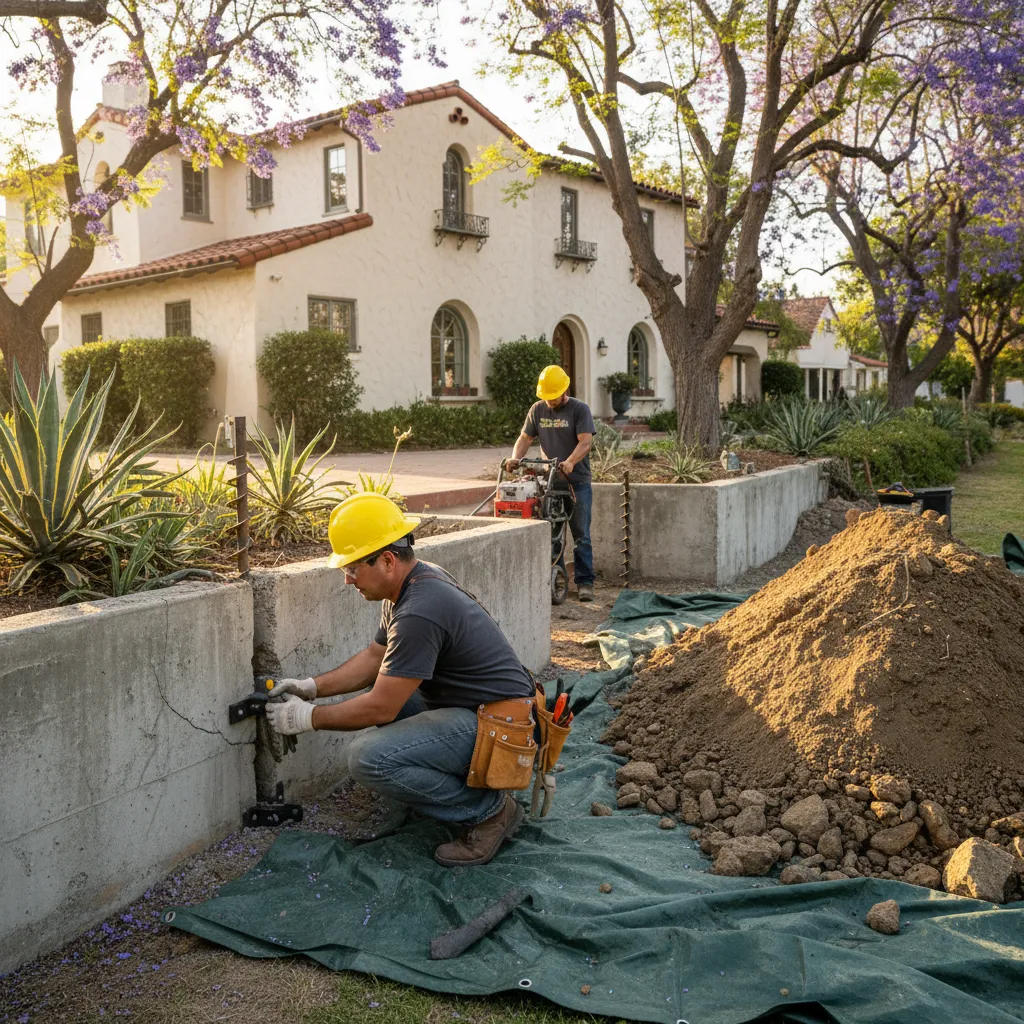
That crack above your door frame? It might not be "just settling." It's a phrase homeowners in Van Nuys use a lot after watching small problems grow for months. Sometimes years. By the time they call, what started as a hairline crack has turned into a gap you can fit a quarter into.
Foundation repair starts with knowing what to look for. And most of the signs don't require a professional eye to spot.
Here's what should get your attention:
- Cracks in drywall, especially diagonal ones near windows and door frames
- Doors or windows that stick, jam, or won't latch properly anymore
- Visible gaps between the wall and ceiling or wall and floor
- Uneven or sloping floors you can feel when you walk across a room
- Cracks in the exterior stucco or along the foundation itself
Now, one small crack doesn't always mean disaster. But patterns tell a story. If you're seeing two or three of these at the same time, something's moving underneath your home. The clay-heavy soil around the Lake Balboa area expands and contracts hard with our dry-to-wet seasonal swings — it shows up every single week during winter months.
One thing people miss is chimney separation. You'll notice the chimney pulling away from the house slightly, maybe a quarter inch. That's your foundation shifting, not your chimney falling apart.
So how do you know if it's serious? Look at the direction of the cracks. Horizontal cracks along a block or concrete foundation wall are a bigger concern than vertical ones. Stair-step cracks in brick or block are another red flag. Civil engineering research shows over 25 percent of homes in the U.S. experience some form of structural distress from foundation issues.
Here's what every homeowner should do. Grab your phone, take pictures, and date them. Check again in 30 days. If those cracks are growing, don't wait. The longer foundation problems go unaddressed, the more they cost to fix and the more they affect everything above them. Your drywall, your doors, your floors.
Not sure if what you're seeing is normal? That's actually pretty common. Most people can't tell the difference between cosmetic cracks and structural ones without a trained eye on it.
Why Van Nuys Foundations Move More Than Most
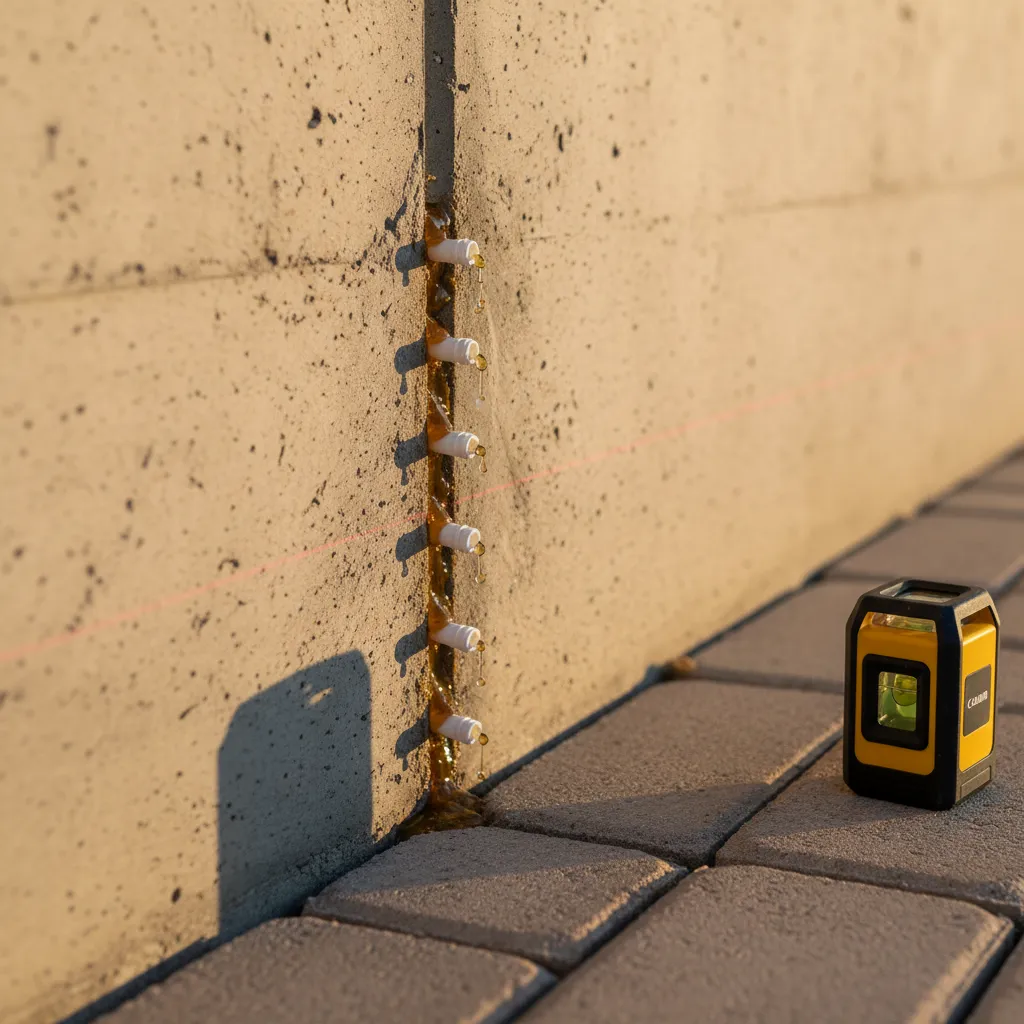
The soil here is the problem. Most of Van Nuys sits on expansive clay that swells when it gets wet and shrinks when it dries out. That cycle puts constant pressure on your foundation, and it never really stops.
It shows up every single week.
A homeowner near Lake Balboa calls because a door won't latch anymore. Or someone in the Sepulveda Basin area notices a crack running from a window frame down to the slab. It's the same thing. The soil shifted, the foundation moved, and now everything built on top of it is reacting.
Expansive soils cause more property damage annually than floods, hurricanes, and earthquakes combined. That fact surprises people, but it shouldn't surprise anyone living in Van Nuys. Our dry summers bake the clay hard. Then winter rains come and the ground swells fast. Your foundation gets pushed, pulled, and twisted through that whole process.
Here's what makes it worse locally:
- Many homes were built in the 1950s and 1960s on shallow footings that weren't designed for this soil movement
- Older irrigation systems leak underground for years before anyone notices
- Tree roots from mature landscaping pull moisture unevenly from the soil
- Poor drainage around slab edges concentrates water right where it does the most damage
So you've got aggressive soil, aging construction, and water management issues all working together. That's why foundation repair comes up across Van Nuys more than almost anywhere else in the Valley.
And here's the part people miss. A small crack today doesn't stay small. The same forces that caused it keep working. Every season adds a little more movement. By the time you notice sticking windows or sloping floors, the foundation has likely been shifting for years. The damage just finally got loud enough to see.
You don't need to panic over every hairline crack. But you do need to know what's happening underneath your home, because the ground in this part of the Valley won't stop moving on its own.
How Foundation Repair Actually Works, From Inspection to Sign-Off
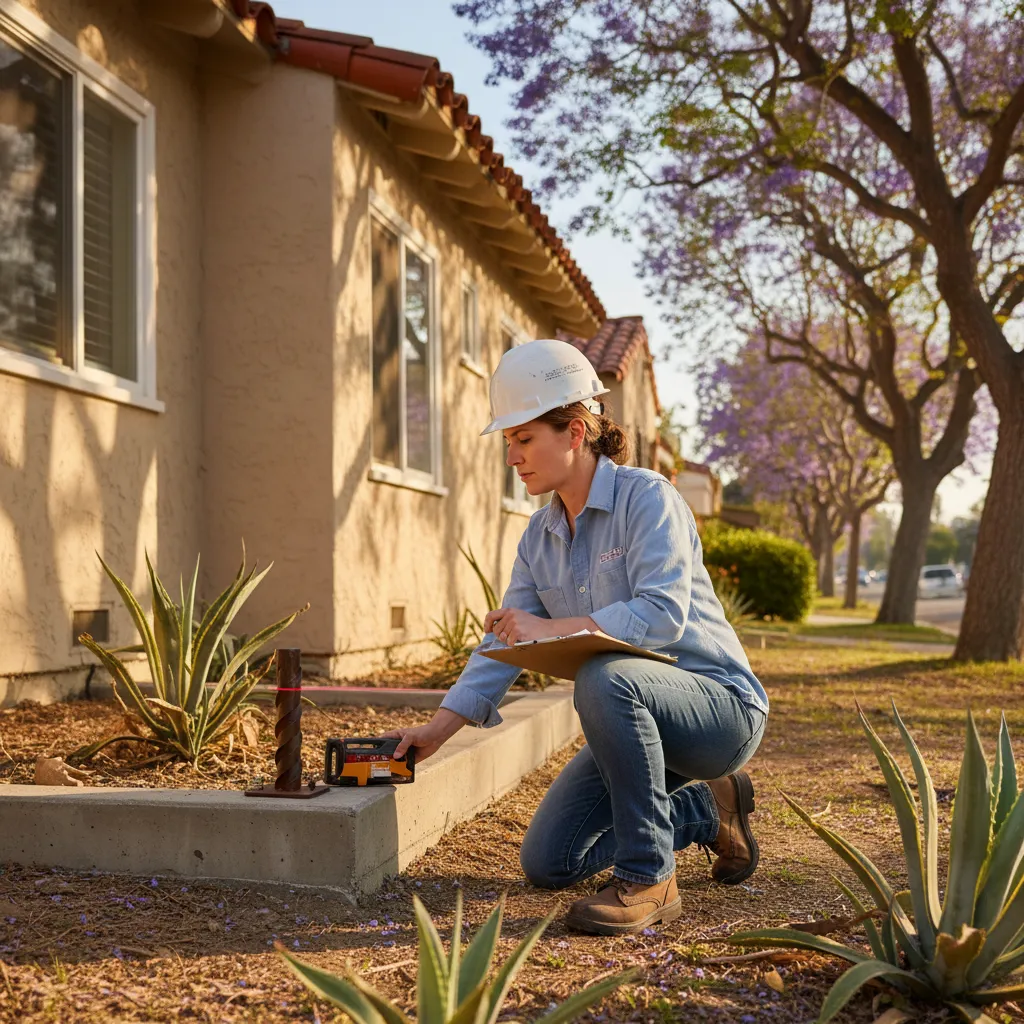
Most people have no idea what happens after they make that first call. That's fair. You shouldn't have to know this stuff, that's the contractor's job. But understanding the process takes a lot of the stress out of it.
Here's how a contractor handles foundation repair from start to finish in Van Nuys:
- Initial inspection and soil assessment. The contractor looks at the visible damage inside and outside your home. Cracks, slopes, gaps around doors and windows. Then the soil conditions around your foundation get checked. The clay-heavy soil near Lake Balboa shifts constantly with moisture changes, so it's important to know exactly what's happening underground.
- Engineering analysis. A licensed engineer reviews the findings and creates a repair plan. This isn't guesswork. The plan spells out where support is needed, how deep piers need to go, and what type of repair fits your specific situation.
- Permits and prep. The contractor pulls the required permits through the City of Los Angeles. No shortcuts. Then the work area gets prepped, landscaping protected where possible, and access points marked out.
- Pier installation or slab repair. Depending on the plan, the crew either drives steel piers to load-bearing strata below the surface or addresses slab issues with targeted methods. This is the heavy lifting. Most residential jobs in Van Nuys take a few days, not weeks.
- Lift and stabilize. Once piers are set, hydraulic equipment brings the foundation back to level. Slow and controlled. Rushing this step causes new cracks — a mistake other crews make.
- Final inspection and sign-off. The city inspector comes out, reviews the work against the engineering plan, and signs off. You get documentation for everything.
The hardest part for homeowners is just waiting for that first inspection. Once the crew's on site, things move fast.
And here's something people don't expect. After the piers are in and the structure is leveled, your sticky doors and cracked drywall often fix themselves. Not always, but it happens more than you'd think. A contractor also handles drywall installation if things need patching after the work is done.
The whole process is designed so you know what's happening at every step. No surprises, no mystery invoices showing up at the end.
Repair Methods Matched to Your Foundation Type
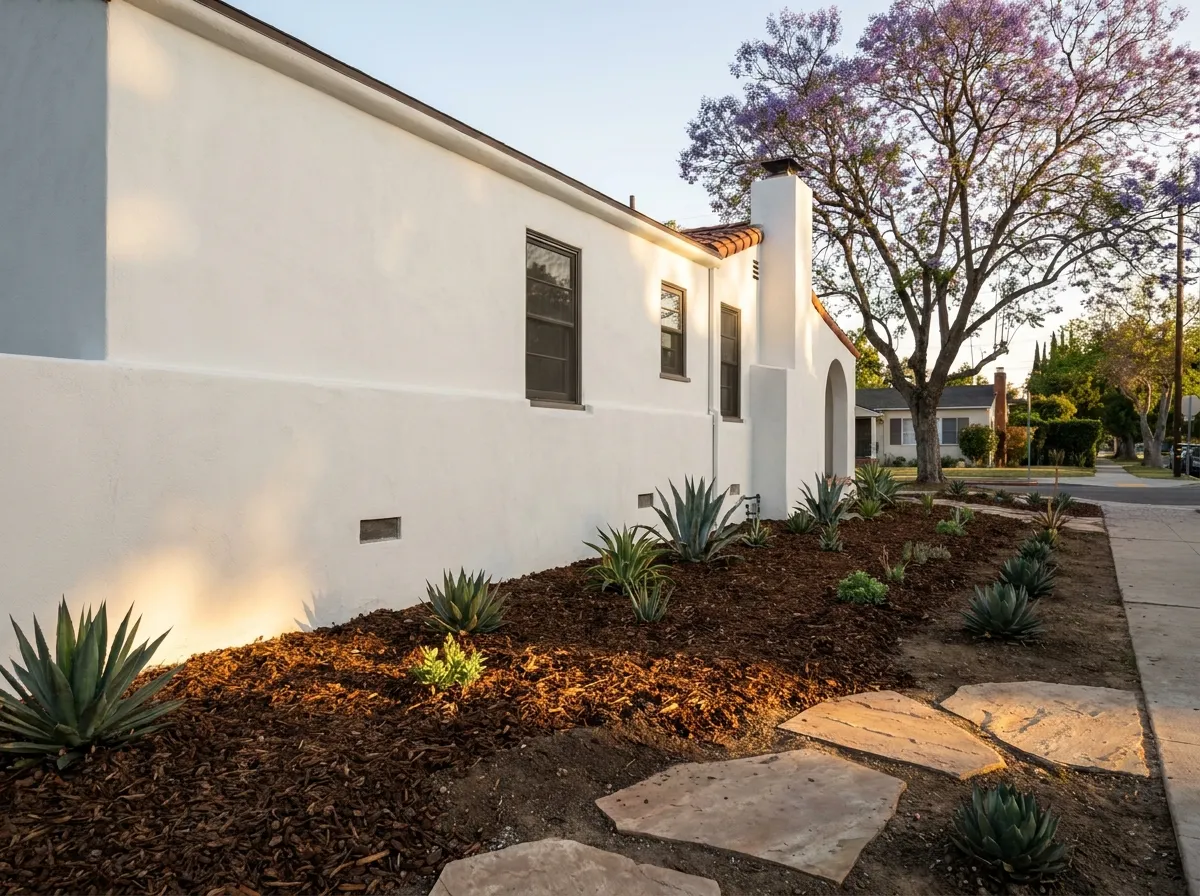
Not every fix works on every foundation. That's the honest truth. A slab-on-grade home near Sepulveda Boulevard needs a completely different approach than a raised foundation off Victory Boulevard. Crews use the wrong method all the time, and it costs homeowners thousands in repeat work.
Most homes in Van Nuys fall into two categories: concrete slab or raised (crawl space) foundations. Each one fails differently, each one gets repaired differently.
Slab Foundation Repair
Slab foundations are everywhere here. When they settle or crack, a contractor typically uses one of these approaches:
- Steel push piers driven deep into stable soil to lift and stabilize the slab
- Helical piers screwed into the ground for lighter structures or tight-access spots
- Polyurethane foam injection to fill voids under the slab and level it out
- Epoxy crack injection for non-structural cracks that still let moisture through
Push piers are the go-to for serious settlement. They reach load-bearing soil sometimes 20 feet down. Foam injection works great for minor sinking, like a garage floor that's dropped an inch. But foam won't fix a structural problem. Knowing the difference matters.
Raised Foundation Repair
Older homes around Lake Balboa and the north end of Van Nuys often sit on raised foundations with cripple walls and concrete stem walls. These develop their own set of issues.
- The crawl space gets inspected for cracked stem walls, damaged posts, and rotted sills
- Weakened floor joists and mudsills get replaced or sistered
- New concrete pads or steel brackets go under sagging support posts
- Seismic retrofit bolting gets added if the home isn't properly anchored
A bouncy floor means something failed underneath. And it's usually a post sitting on crumbling concrete that should've been replaced years ago.
The soil here plays a big role too. Expansive clay shifts with the seasons, it pushes against walls and lifts slabs unevenly. Soil movement in the San Fernando Valley causes more property damage annually than floods and earthquakes combined in many years. So foundation repair in Van Nuys isn't just about fixing what broke. It's about matching the method to your soil, your structure, and the actual cause of the damage.
Got questions about what type you're dealing with? Give us a call and we'll match you with a contractor to walk you through it.
What to Expect After Repair, and How to Protect Your Foundation Long-Term
So the work's done. Your floors are level again. Now what?
Most homeowners in Van Nuys feel a huge wave of relief once foundation repair wraps up. But the first few weeks matter more than people realize. You might notice small hairline cracks in drywall or stucco. Don't panic. That's your house settling into its corrected position — completely normal and easy to patch once everything stabilizes. Wait about 30 days before doing cosmetic touch-ups.
The First Month
Your doors and windows should open and close smoothly right away. If something still sticks after a week, let the contractor know. It's a minor adjustment handled in one visit. You'll also want to keep an eye on any cracks marked during the inspection. They shouldn't grow. If they do, that's a sign something else needs attention.
And here's the part most contractors skip talking about: long-term protection.
Keeping Your Foundation Healthy for Years
The soil around your home in the Panorama City area and across the San Fernando Valley is reactive. It expands when wet and shrinks when dry. That cycle puts constant stress on your foundation. You can fight back with a few simple habits:
- Keep gutters clean and make sure downspouts direct water at least three feet from your foundation walls
- Water your landscaping on a consistent schedule so the soil moisture stays even year-round
- Avoid planting large trees within ten feet of your home's perimeter
- Watch for new cracks, sticking doors, or uneven floors and call early if you spot them
Poor drainage is one of the top contributors to residential foundation damage. That tracks with what shows up every single week here in Van Nuys. The homes that hold up best after foundation repair are the ones where the owner stays on top of water management.
Think of it like this. Foundation repair fixes the problem. Good maintenance keeps it fixed.
The contractors we match you with are licensed and have worked on hundreds of homes across Van Nuys. If you ever notice something that doesn't look right, even years from now, pick up the phone. A five-minute conversation can save you thousands down the road.