What to Expect During a Professional Hardwood Floor Installation
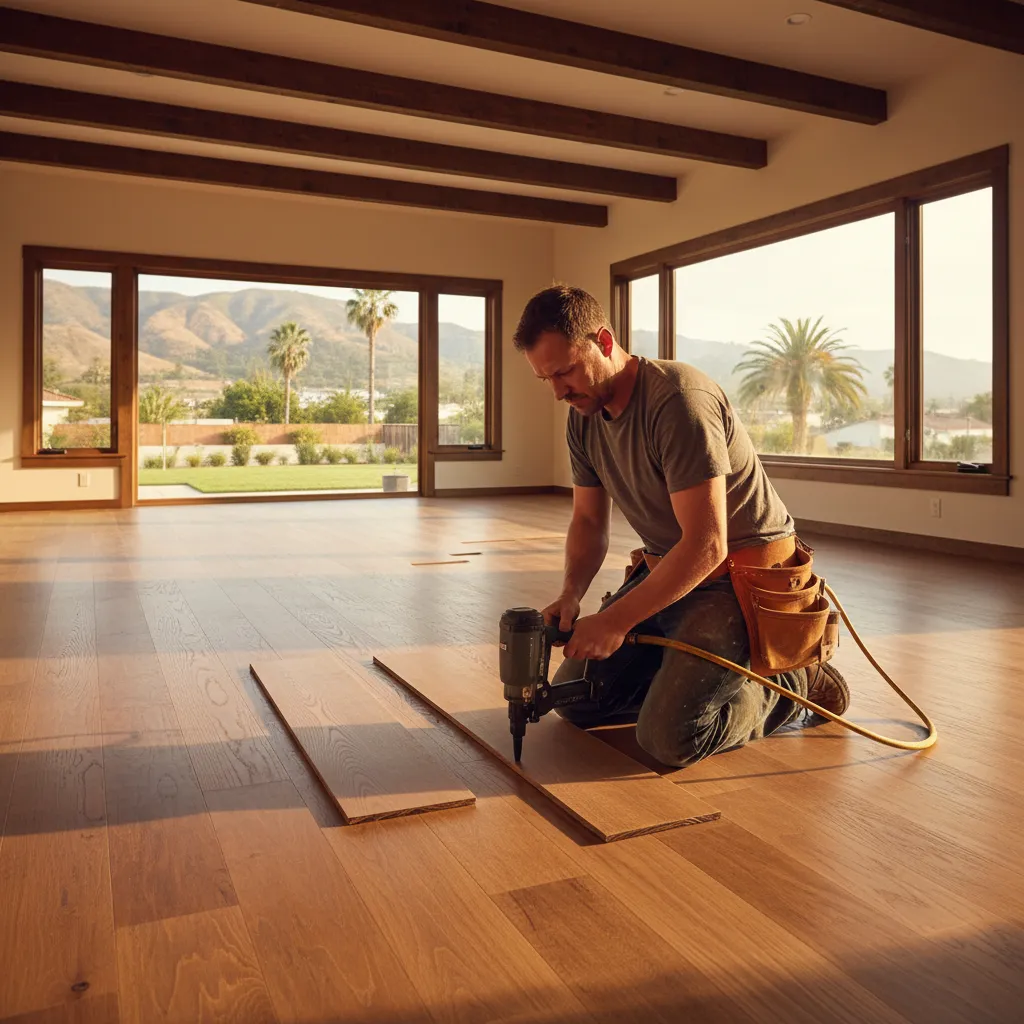
Most folks in Van Nuys picture hardwood floor installation as just nailing boards down. It's way more involved than that, and knowing what happens step by step keeps you from being caught off guard on install day.
Before a single plank goes down, your wood needs to acclimate. The material comes into your home days before the job starts. The boards sit in the room where they'll be installed. This lets them adjust to your home's temperature and humidity. Skip this step and you'll end up with gaps or buckling within months. It shows up every single week in someone else's rushed job.
Once the wood is ready, here's how the actual install goes:
- The contractor removes your existing flooring and inspects the subfloor for damage, moisture, or unevenness.
- The subfloor gets repaired or leveled so every board sits flat and tight.
- A moisture barrier goes down, especially important in older homes near the Sepulveda Basin area where slab foundations are common.
- The hardwood gets installed using nail-down, glue-down, or floating methods depending on your subfloor type.
- Boards get cut and fit around doorways, closets, and transitions to other rooms.
- The surface gets sanded smooth and the chosen finish applied.
The whole process usually takes three to five days for an average-sized room. Larger projects or homes with multiple rooms can stretch longer.
Wondering if you need to leave the house? Not always. But sanding and finishing do create dust and fumes. A contractor contains the work area as much as possible, but most families prefer to keep kids and pets out of the space until the finish cures.
And here's something people don't expect. The final coat needs time to harden before you move furniture back. Rushing that part leaves dents and marks in your brand-new floor. A good crew tells you exactly when it's safe to start living on it again. Most people are surprised how fast the whole thing comes together once work is underway.
Solid vs. Engineered Hardwood for Slab Foundations
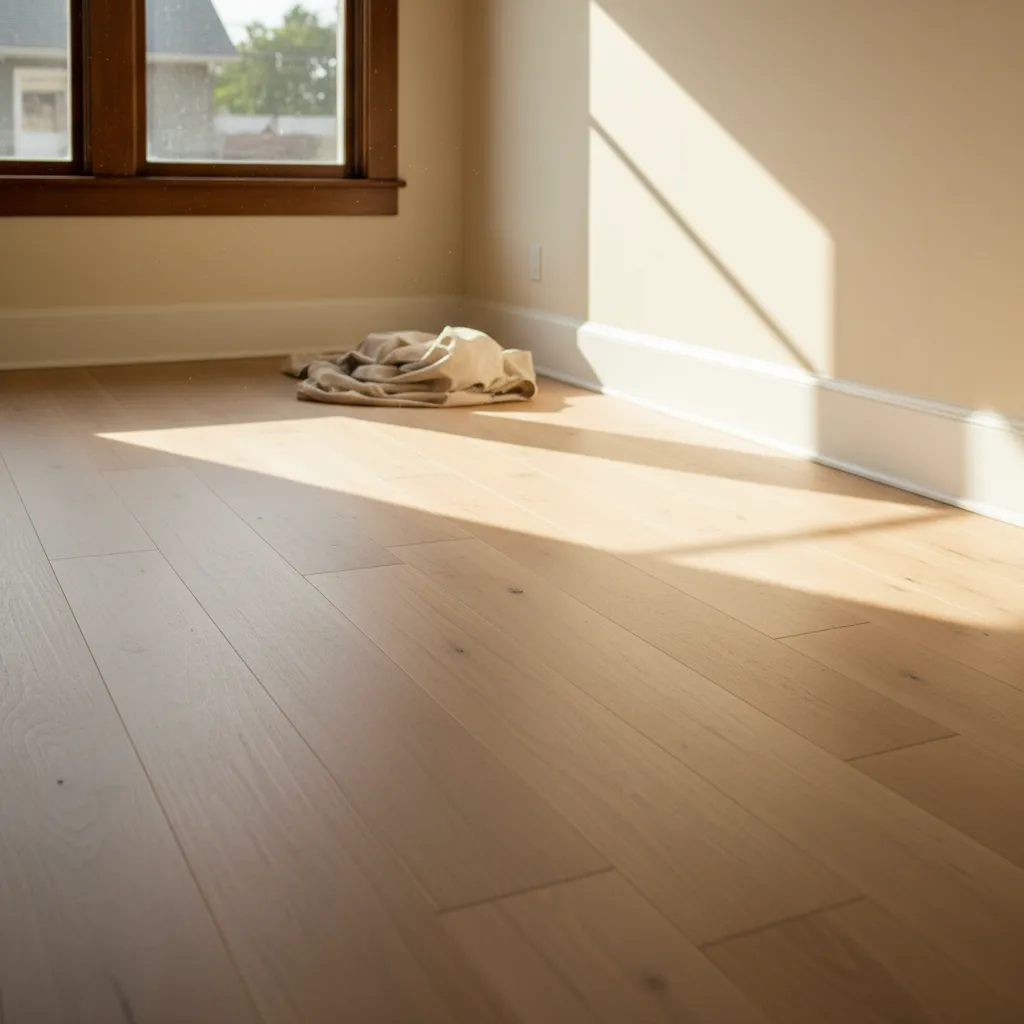
Most homes in Van Nuys sit on concrete slab foundations. That one detail changes everything about your hardwood floor installation.
Solid hardwood planks are milled from a single piece of wood. They're beautiful, they sand down well over the years, and they last a long time. But solid hardwood and concrete slabs don't always get along. Concrete holds moisture. Even slabs that feel bone dry can push vapor up through the surface, and solid wood reacts to that moisture by swelling, cupping, or buckling. Solid hardwood floors in homes near Lake Balboa that were installed directly over slabs without proper testing end up wavy within a year.
Engineered hardwood handles slab foundations much better. Here's why it works:
- Multiple layers of plywood or HDF underneath the top veneer resist moisture movement
- The cross-grain construction keeps planks more stable when humidity shifts
- It can be glued directly to concrete, floated over an underlayment, or even nailed to a plywood subfloor built on top of the slab
- The top layer is real hardwood, so it looks and feels the same underfoot
Now, does that mean you can never put solid hardwood on a slab? Not exactly. A contractor can build a plywood subfloor system over the concrete with a vapor barrier underneath. It adds height to the floor, takes more labor, and eats into your ceiling clearance. Some rooms can handle that. Others can't.
More often than not, Van Nuys homeowners with slab foundations are steered toward engineered hardwood. The finished floor looks identical to solid. You still get oak, walnut, hickory, whatever species you want. And the performance over concrete is just better.
Not sure which type fits your home? Give us a call and we'll match you with a contractor to walk through it.
One thing a good contractor always does before recommending either option is a calcium chloride moisture test on the slab. According to the National Wood Flooring Association, slabs should read below three pounds of moisture per 1,000 square feet over 24 hours before any hardwood goes down. A quality installer tests every single job. Skipping that step is how floors fail — it's the most common shortcut bad installers take.
Subfloor Preparation in Older Homes
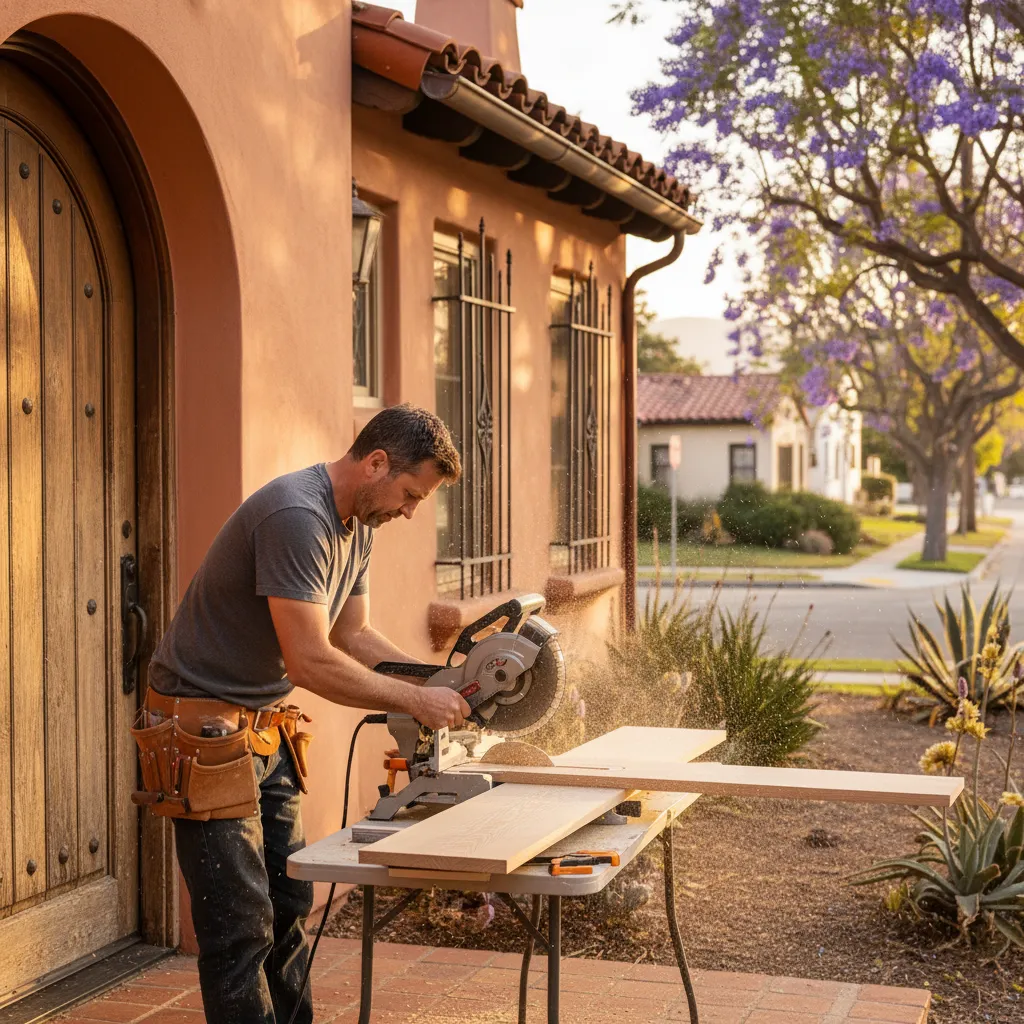
Most hardwood floor installation problems don't start with the hardwood. They start underneath it.
Van Nuys has a lot of homes built in the 1950s and 1960s. Some go back even further. And the subfloors in these homes have been through decades of settling, moisture, and wear. Pull up old carpet or vinyl in neighborhoods like Lake Balboa and there's often subfloor damage nobody knew was there. Soft spots near bathrooms. Warped plywood around old water heater locations. Sometimes the original builders used planks instead of sheet goods, so there are gaps everywhere.
Here's what a contractor checks before any hardwood goes down:
- Moisture levels in the subfloor and the concrete slab beneath it, if there is one
- Flatness across the entire surface, because even small dips cause squeaks and gaps later
- Structural integrity of the plywood or OSB, looking for rot, delamination, or pest damage
- Joist condition underneath, especially in homes with raised foundations
More often than not, an older Van Nuys home needs some level of subfloor repair before installation. That's not a bad thing. It just means the job's being done right.
If the subfloor isn't flat within industry tolerances, it gets leveled — self-leveling compound on concrete, sanding or shimming for plywood subfloors. Skipping this step is the fastest way to end up with a floor that creaks, buckles, or develops visible seams within a year. Plenty of jobs from other crews who rushed past this part need fixing later.
Moisture is the other big one. According to the National Wood Flooring Association, subfloor moisture content should be tested before every hardwood floor installation. Pin meters and relative humidity testing get used depending on the subfloor type. A reading that's too high means waiting, adding a vapor barrier, or both. Putting hardwood over a damp subfloor is just asking for cupping and warping down the road.
But here's what matters to you. Good prep means your floors stay flat, stay quiet, and look the way they should for years. A good contractor doesn't cut corners on what you can't see — that's actually where the quality of the whole job lives.
Hardwood Flooring for Rental Units and Investment Properties
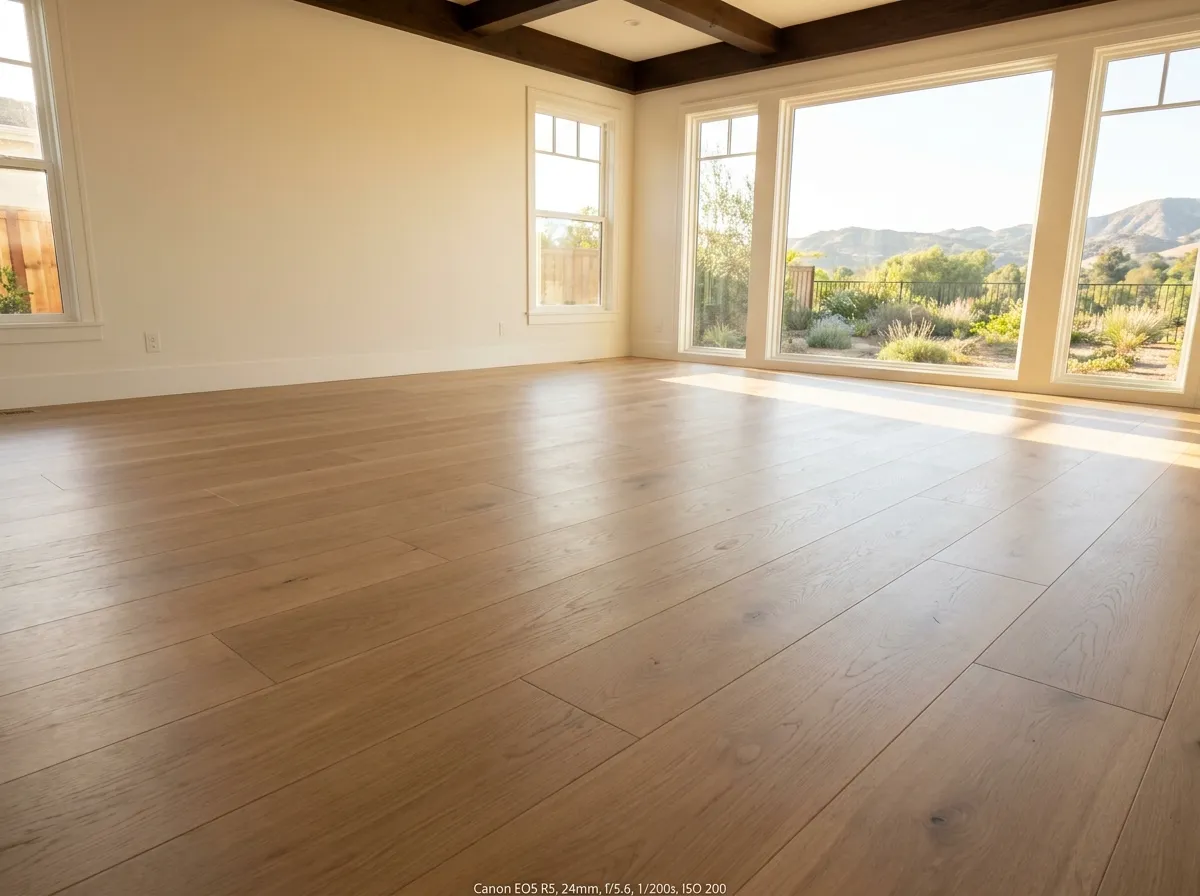
Landlords in Van Nuys tell the same story all the time. Tenants moved out, the carpet's destroyed, and they're tired of replacing it every two years. That's when hardwood floor installation starts making real financial sense.
Hardwood is a favorite in rental properties and multi-unit buildings around the Lake Balboa area. The math is simple. Carpet in a rental lasts maybe three to four years if you're lucky. Hardwood lasts decades. You stop spending money on replacement cycles, you attract better tenants, and you can charge more per month. According to the National Association of Realtors, hardwood floors are one of the top features renters look for in a property.
But here's what most investors get wrong. They pick the softest, cheapest wood they can find and wonder why it looks beat up after one tenant. For rentals, you want harder species. Oak is the go-to for a reason. It handles foot traffic, pets, furniture dragging, all of it. Hardwood goes into duplexes and ADUs across Van Nuys where the owner wants something tough enough to survive turnover without refinishing every time.
A few things worth knowing before starting:
- Go with a satin or matte finish. It hides minor scratches better than high-gloss.
- Stick with medium-tone stains. They show less dirt between cleanings.
- Skip exotic species. They cost more and don't hold up better in rental settings.
If you've got a garage conversion ADU or a casita you're renting out, hardwood floor installation ties the whole space together. It makes a small unit feel bigger and more polished. Landlords bump their asking rent after upgrading floors, and tenants notice the difference immediately.
And if you're doing a full rehab on an investment property, a contractor can coordinate hardwood floor installation alongside other work like drywall installation or a kitchen remodel. Saves you time. Saves you the headache of juggling multiple crews.
Want to talk about what makes sense for your rental? Give us a call.
How to Verify Your Installer Is Qualified Before You Book
Plenty of people in Van Nuys will tell you they do hardwood floor installation. Fewer can prove it.
Homeowners call every month after hiring someone cheap, getting a bad result, and needing the whole floor pulled up and redone. That's twice the cost and twice the headache. So before you book anyone, do a little homework. It takes maybe twenty minutes, and it can save you thousands.
What to Check Before Signing Anything
- Ask for their contractor's license number. In California, any job over $500 requires a valid license from the Contractors State License Board. Look it up on their website. Takes thirty seconds.
- Confirm they carry liability insurance and workers' comp. If a worker gets hurt in your home and there's no coverage, that falls on you. Don't just take their word for it. Ask for a certificate.
- Request photos of recent jobs. Not stock photos. Real projects they finished in the last six months. You want to see tight seams, clean transitions at doorways, and consistent staining.
- Read their Google reviews carefully. Skip the five-star ones that just say "great job." Look for reviews that mention specific problems and how the crew handled them. That tells you more than any rating.
- Ask what subfloor prep they include. This is the question that separates pros from amateurs. A qualified installer will talk about moisture testing, leveling, and underlayment without you having to bring it up.
More often than not, the crews who cut corners on credentials also cut corners on the install. It shows up over and over near Lake Balboa and throughout the valley. Buckling boards, gaps that open up after one summer, stain that looks blotchy because nobody sanded evenly.
Any contractor worth hiring holds a current California license and carries full insurance on every project, and should show you proof before you commit to anything — plus photos of past hardwood floor installation projects so you can see exactly what to expect.
Not sure what questions to ask? Give us a call — we'd rather help you make a good decision than pressure you into a fast one.