So, What is a Junior ADU (JADU)?
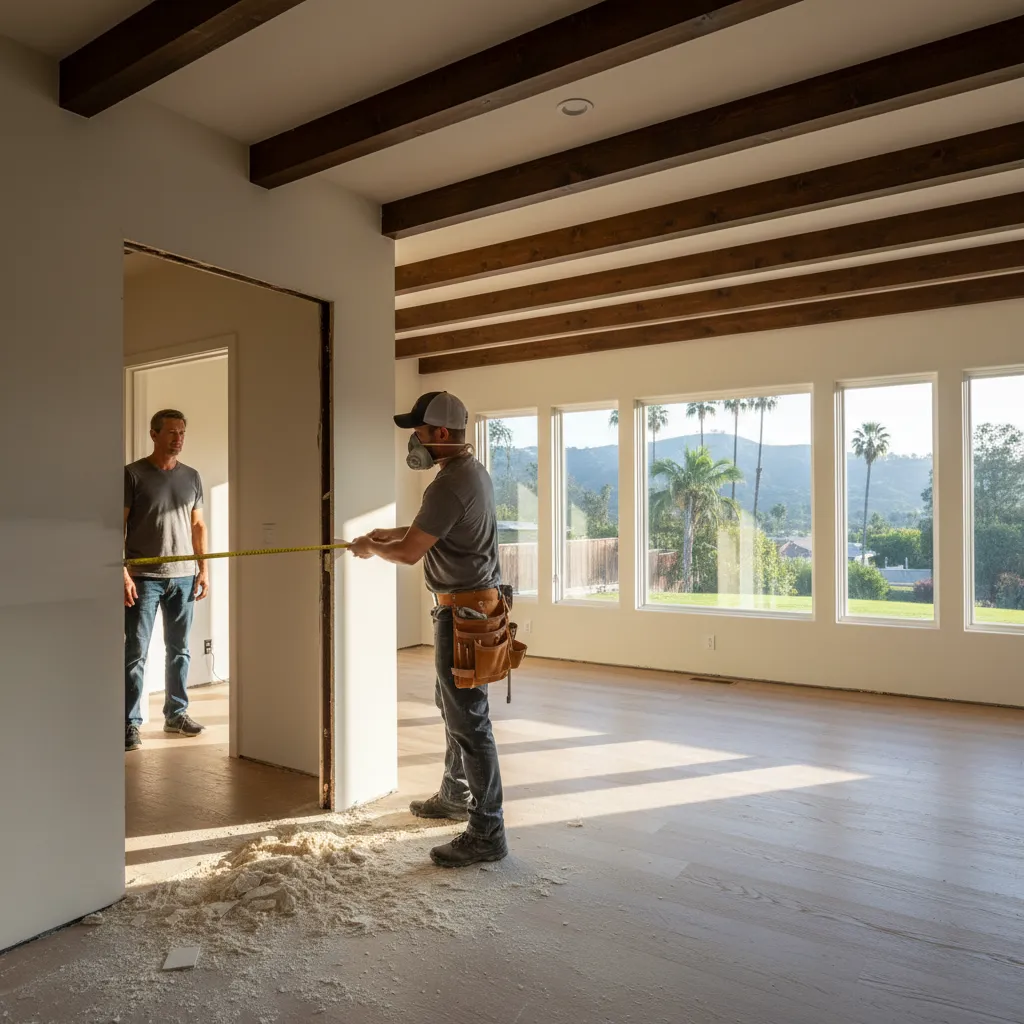
A JADU is a living unit that goes inside a primary dwelling. The biggest distinction: unlike a regular ADU, a JADU is constructed entirely within the four walls of the primary residence.
Per section 17020.12 of the Health and Safety Code, a JADU shall not exceed 500 square feet and is required to be constructed entirely within the existing or proposed primary dwelling unit. You are creating a new, self-sufficient living unit within your primary residence with an independent entrance and efficiency kitchen (small appliances only) and a separate shower and toilet (either inside or shared with the primary home).
It is important to note here: there is a significant difference between a standard ADU and a JADU:
- An ADU may be up to 1,200 square feet or a new structure, or major addition to the main dwelling.
- JADU construction must be located entirely within a single-family dwelling and may not exceed 500 square feet.
- Efficiency kitchen appliances only (no 220-volt outlet).
- JADUs must meet owner-occupancy requirements.
- JADUs are exempt from parking requirements.
Most people who set out to build a detached ADU end up discovering that a JADU may be a more viable option. Whether you need rental income but don't have much (or any) backyard available, or you want to offer your aging parents a safe place to live nearby without compromising their independence, JADUs are a solution.
Construction requirements are minimal and the permit process is streamlined, since you are making minor structural alterations. It starts with examining the floorplans of your house, determining which space(s) are best suited for the JADU, and then outlining what needs to happen in order to get a permit.
It may come as a surprise: you can build both an ADU and a JADU on one property in California, making a single-family property potentially eligible for 3 living units! However, the JADU is always the smaller, in-wall option to a home already on the lot.
What You Need To Know Before Constructing an Attached Garage JADU in Your Older Home
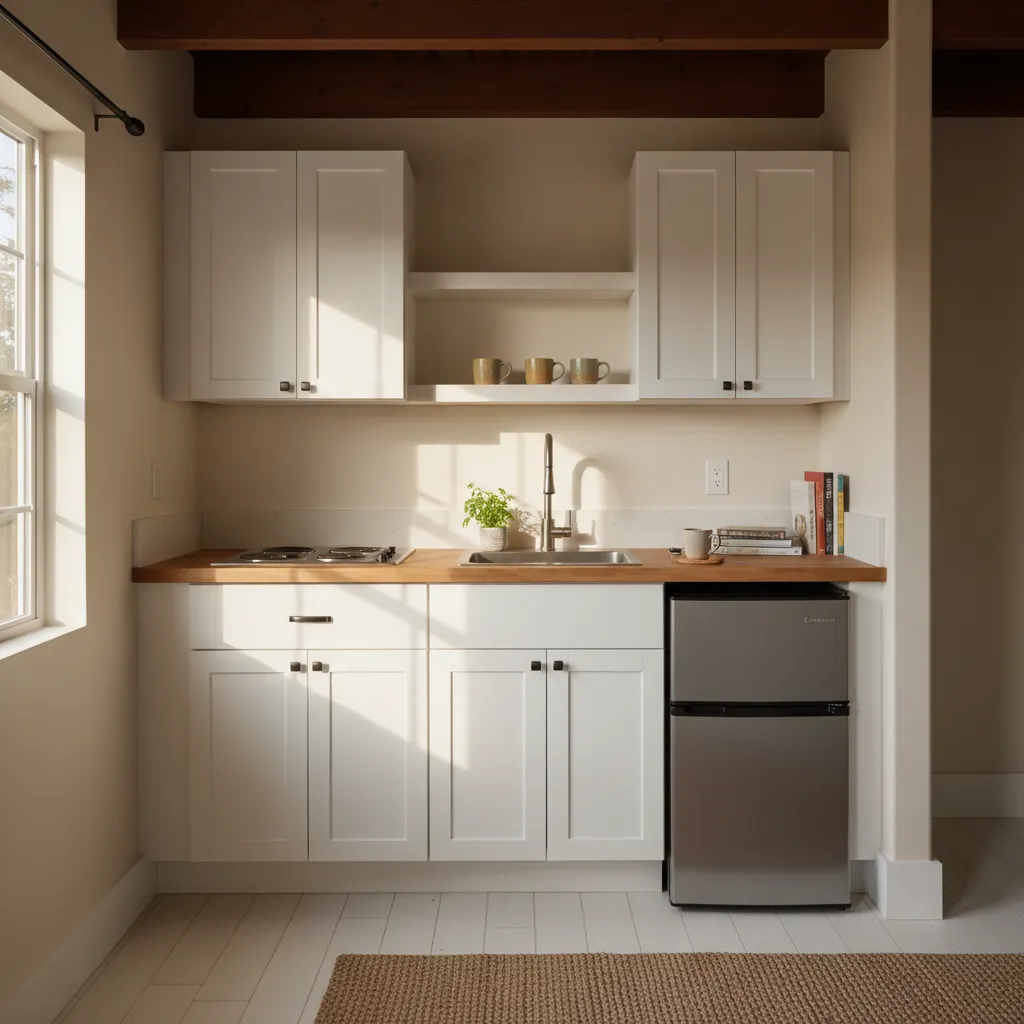
Most people who want to construct a JADU are converting their attached garage space, but they don't realize the space was never built to be inhabited. Makes sense, right? You may be asking, "So why is that important for a JADU?" Here's what's interesting: to build an attached garage JADU, the garage is not just required to meet JADU code (see the section above) and city requirements, but also additional requirements for the City of Van Nuys.
It's the same scenario weekly. An owner calls up, excited, having measured that their attached garage fits within the 500-square-foot JADU limit.
They assume the biggest hurdle is cleared by then. Once a contractor steps onto the site and begins the inspection, issues start coming to light. Certain garage structures, particularly those found in residences constructed during the 50s and 60s in the Lake Balboa area and along streets near Sepulveda, present distinct complications that do not exist in more recently built dwellings. Here are some of the most common problems a contractor identifies at the first inspection:
- Slabs which are undersized for a foundation, lack a moisture vapor barrier, or both.
- Heights too low for the living space required by building codes.
- A lack of insulation between the garage and primary house wall.
- Old electrical panels which could not serve an additional living unit.
- Obsolete framing lumber that doesn't pass today's seismic code.
These issues can bring a JADU job to a standstill unless they're recognized immediately, but the city isn't going to rubber-stamp plans on the grounds that "it's all good as far as you can see," and you're going to need engineered drawings demonstrating compliance with contemporary residential building requirements.
What most people are surprised to find out is that it's the garage/primary house wall that's the most problematic, as the JADU must be separated from the primary dwelling with fire-rated construction, as California's Department of Housing and Community Development specifies. There's very little chance the existing wall separating the garage and primary house will have a rating capable of meeting that requirement. The contractor then opens the wall, installs the necessary drywall and insulation, and closes it back up so that everything's to code.
Here's the thing: all of the above issues are not deal-breakers; it's just the sort of thing you want to know ahead of time and address in the proper manner. A careful, complete walk-through of the property makes sure there are no surprises with the site before anyone starts drawing up plans, which saves you money. Finding things on paper won't cost you anything. Finding them during the build will, though; it'll delay your JADU build by weeks.
The only way to blow a budget and miss deadlines is to skip this step.
How The Van Nuys JADU Permit Process Works With LADBS
Nobody likes filling out forms and filing paperwork. But you'll spend months going through it again and again if you don't do it right, or if you don't do it at all.
Any JADU in Van Nuys must be submitted to and approved by the Los Angeles Department of Building and Safety, which has separate rules for JADUs that are different from those for regular ADUs. Good news? JADU permits are relatively easy to get, and they're relatively quick to process. Bad news? You need to get them right in the first go, or your plans will be rejected and require revisions.
Here's the process a contractor follows to get a JADU permit approved:
- The contractor reviews your property file and verifies your site meets current JADU rules — that your property is zoned for single-family homes, that you live there as the owner, and that you have the existing square footage for an approved conversion.
- A drafting team develops architectural drawings and floor plans that meet the LADBS requirements: fire separation, ventilation, ceiling heights, kitchen specifications, and more.
- The drawings then go in for plan-check review through LADBS' online plan submittal and tracking portal.
- Plans come back for corrections, as almost always happens. The contractor addresses the comments and submits revised plans to LADBS, usually within a few days.
- LADBS issues the permit. The contractor pulls any additional permits required for electrical and mechanical work.
- The contractor handles the required inspections during and at the completion of the project — framing, rough-in electrical, rough-in plumbing, insulation, and final. They are all scheduled and coordinated.
JADU plans across Lake Balboa, areas closer to Sherman Way, and Van Nuys all go through the same department office. A first round of corrections is usually minor — a smoke detector missing from a floor plan, or an egress dimension that needs clarification. That's rarely a problem when the contractor knows the fixes required. One thing people don't know is that LADBS does not charge certain fees for JADUs. The California Department of Housing and Community Development states that local agencies are prohibited from charging impact fees for JADUs under 750 square feet, saving you money on fees. If you were building an addition or a new ADU it wouldn't work the same way. What matters here is a clean permit record for your property — a code-compliant, insurable legal unit should you wish to sell or refinance in the future. The contractors we match you with do this every week, so there's no need to learn the system on your own.
What the Van Nuys Climate Zone Requirements Mean for Your JADU
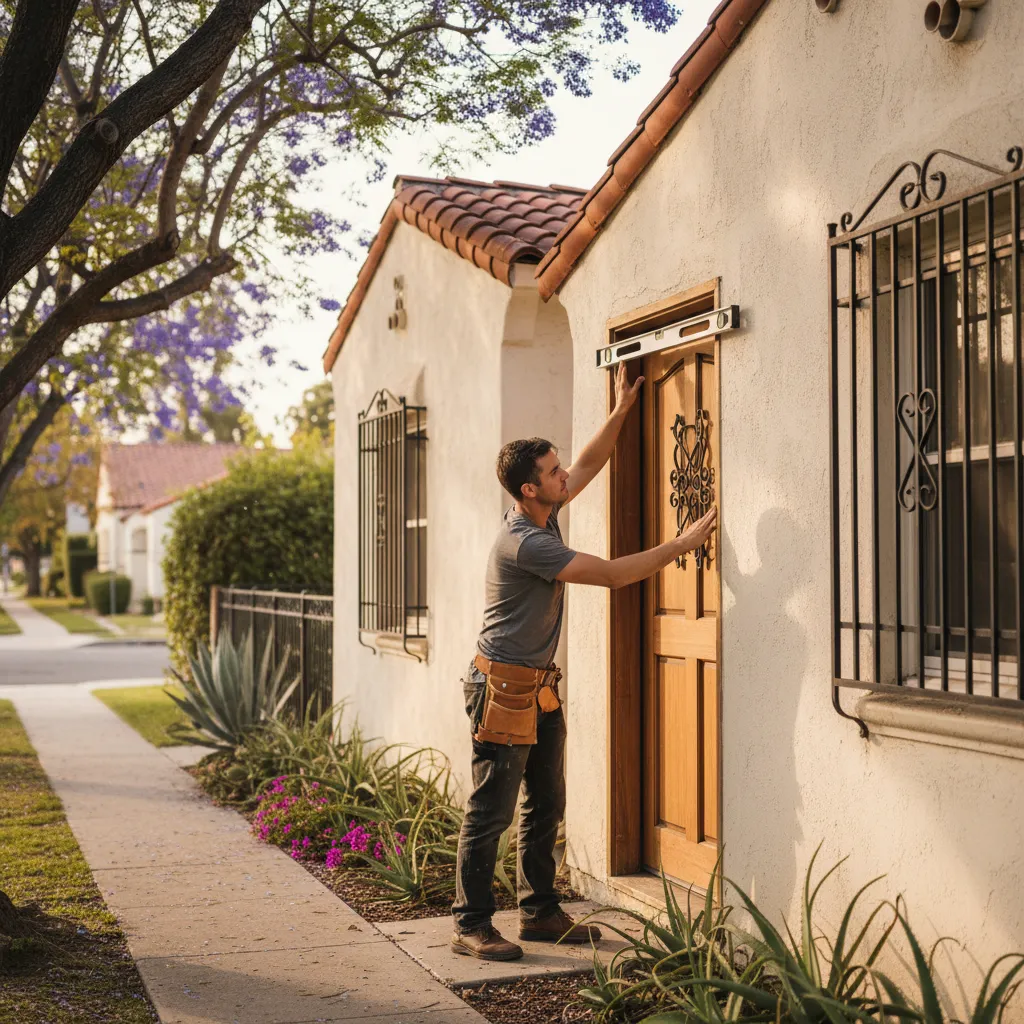
California's Title 24 energy code requirements vary for each climate zone where you plan to build a Junior Accessory Dwelling unit. Van Nuys is located in Climate Zone 9, and every climate zone determines the type of material used on a Junior Accessory Dwelling unit project. So what does that mean? It's a hot and dry climate — hot summers and mild winters. The code requires your JADU to be built for this climate and won't allow the unit to be energy inefficient. It comes up on every project.
When it comes to a JADU, Climate Zone 9 requires the following from the contractor:
- Wall insulation values of at least R-15 for framed wall assemblies
- Cool-Roof rated materials
- Windows with U-factors and Solar Heat Gain Coefficient that fit with hot climate requirements.
- Air sealing all penetrations for blower door tests
The blower door test is the last one that can trip up contractors. JADU projects near Lake Balboa have failed final inspection because the air sealing wasn't correct. The same thing happens here. The weatherstripping is not properly installed around the hookups for the compact efficiency kitchen or a new exterior entry door. Also, window size and position is important. A west-facing window in Van Nuys could turn a 150 sq. ft. JADU into an oven by 3pm in August. A good contractor considers window size and placement during the initial design stage to provide adequate light but avoid heat transfer. According to the California Energy Commission, window specification in Climate Zone 9 can lower cooling loads by 25 percent.
One thing to know: since the JADU is part of the same property with the same home footprint, shared wall insulation isn't required. These interior walls don't have to meet exterior insulation ratings. This results in savings on cost and a tight build. On the other hand, exterior walls — and all new openings for doors and windows — need to be built to code for Climate Zone 9. This refers to the current building codes, not the old ones from when your home was first constructed. The energy calculations are done before any permit application is submitted, so there are no last-minute surprises at inspection, and everything proceeds exactly as planned.
Owner-Occupancy Requirements and How You Can Use Your JADU After Construction
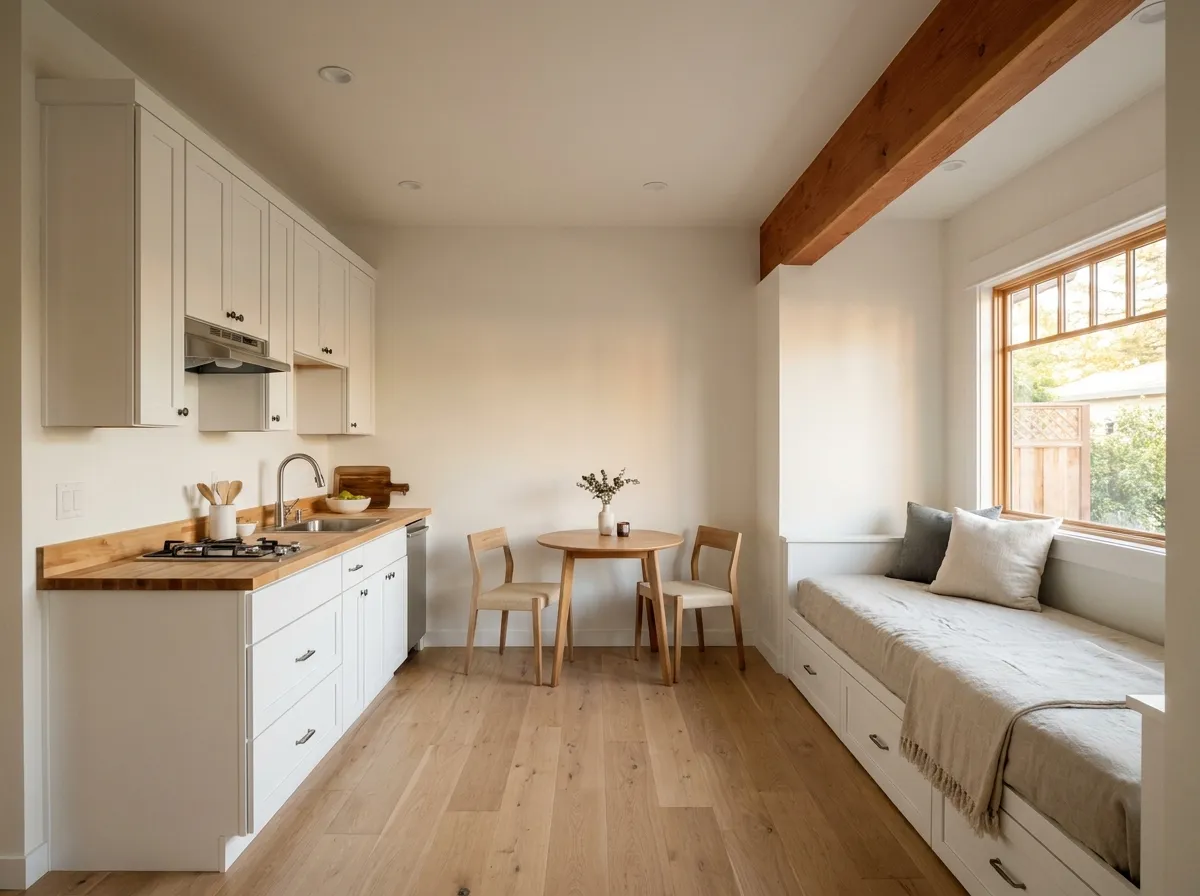
This is the area where most Van Nuys homeowners make their biggest mistakes. You complete the JADU, you're thrilled to start renting it out, and then you hear about the owner-occupancy mandate. All of a sudden, you're second-guessing your ability to utilize the space you've just finished.
Here's the reality: state law mandates that you reside in either the main house or the JADU. You are prohibited from leasing both units and relocating elsewhere. A space in that house must be your permanent residence. This is worth talking through before beginning a JADU conversion, because it shapes how you organize your lifestyle.
Your Allowed Uses
The regulations are simple when they're written down:
- You reside in the main house and lease out the JADU
- You relocate to the JADU and lease the primary house
- You grant a family member a place to stay without charge while residing in the main house
- You cannot lease both buildings to outsiders
In addition, homeowners near Lake Balboa might not know that if you have a traditional backyard ADU as well, you must still live in one of those two units. That said, Assembly Bill 881 eliminated this rule for regular ADUs, but it remains in effect for JADUs. Regulations differ based on the building type you construct.
You may not sublease your JADU on a short-term basis. This bans Airbnb. It also bans VRBO. There are no 30-night rental periods allowed. JADUs can only be leased to tenants for a term longer than one month. The City of Los Angeles monitors these leases and will issue fines to anyone caught breaking the rule, which renders the rental revenue entirely worthless.
Some Van Nuys owners have intended to switch between buildings and collect rent from both. That approach doesn't work. However, the majority of individuals building a JADU reside in the house currently and desire to continue doing so. They're taking a spare room or a portion of the garage to secure a recurring monthly cash flow, all without leaving their home.
Unsure how these laws apply to your home? Call us and we'll match you with a contractor who will go over it with you.
After the JADU permit is granted, a deed restriction is attached to the file of the JADU unit within Los Angeles County records. The stipulation stays with the home when sold. New owners will assume the same requirement. That's not a deal-breaker for most people; it's simply important to know ahead of time.