How to Know When a New Build Makes More Sense Than a Renovation
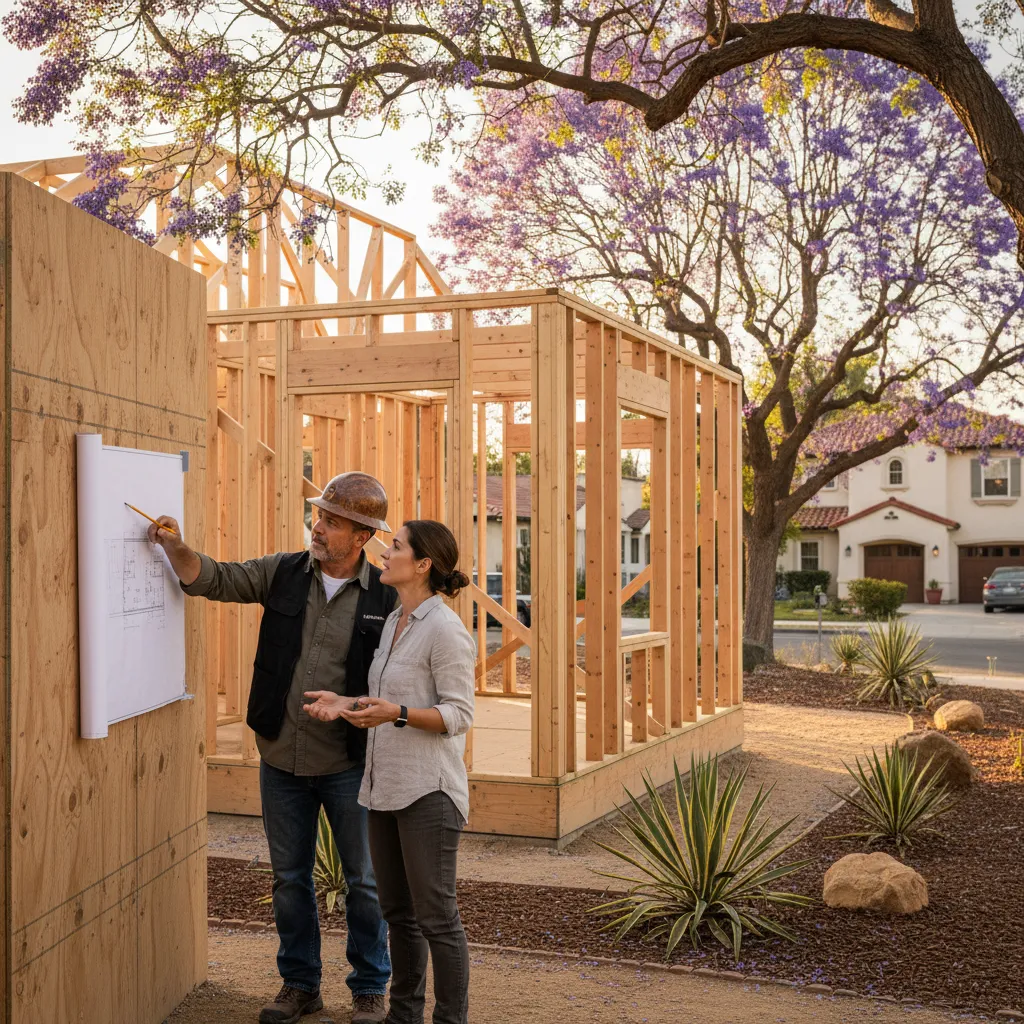
This question comes up almost every week. Someone calls about a remodel, a contractor walks the property, and the honest answer is: it's not worth saving.
That's not always easy to hear. But here's the reality. A lot of older homes in Van Nuys were built in the 1940s and 1950s. The framing is outdated. The foundation has shifted. Plumbing runs through spots that don't meet current code. You can pour money into fixing all of that, or you can start fresh with new build construction and get exactly what you want.
Signs a Renovation Won't Cut It
There are a few things a contractor looks for when walking a property that point to a new build being the smarter move:
- Foundation cracks that run deep or show signs of long-term settling
- Termite damage in load-bearing walls or the subfloor
- A floor plan so outdated that making it livable costs nearly as much as rebuilding
- Electrical and plumbing systems that need full replacement anyway
- The renovation estimate creeps past 60-70% of what a new structure would cost
When three or more of those boxes get checked, you're in demolition and rebuild territory.
The Math That Changes Minds
Think about it this way. You spend big money upgrading a home's bones, but you're still stuck with the old layout. The old roofline. Walls that aren't where you need them. A new build lets you design around how your family actually lives right now.
This plays out dozens of times near Lake Balboa and across the east side of Van Nuys. Homeowners start planning a whole-home remodeling project, then realize the scope keeps growing. New foundation work here. Structural framing fixes there. At some point the numbers just make more sense going new.
Not sure where your property falls? Call us and we'll match you with a contractor to walk it with you.
And here's something people forget. A brand-new home built to current California energy code saves you money every single month. Better insulation, modern windows, tighter construction. According to the U.S. Department of Energy, homes built to current code standards can use 30-40% less energy than older homes. That adds up fast over ten or twenty years of ownership. So it's not just about what looks better today, it's about what performs better for the long run.
What Van Nuys Zoning and Lot Rules Allow You to Build
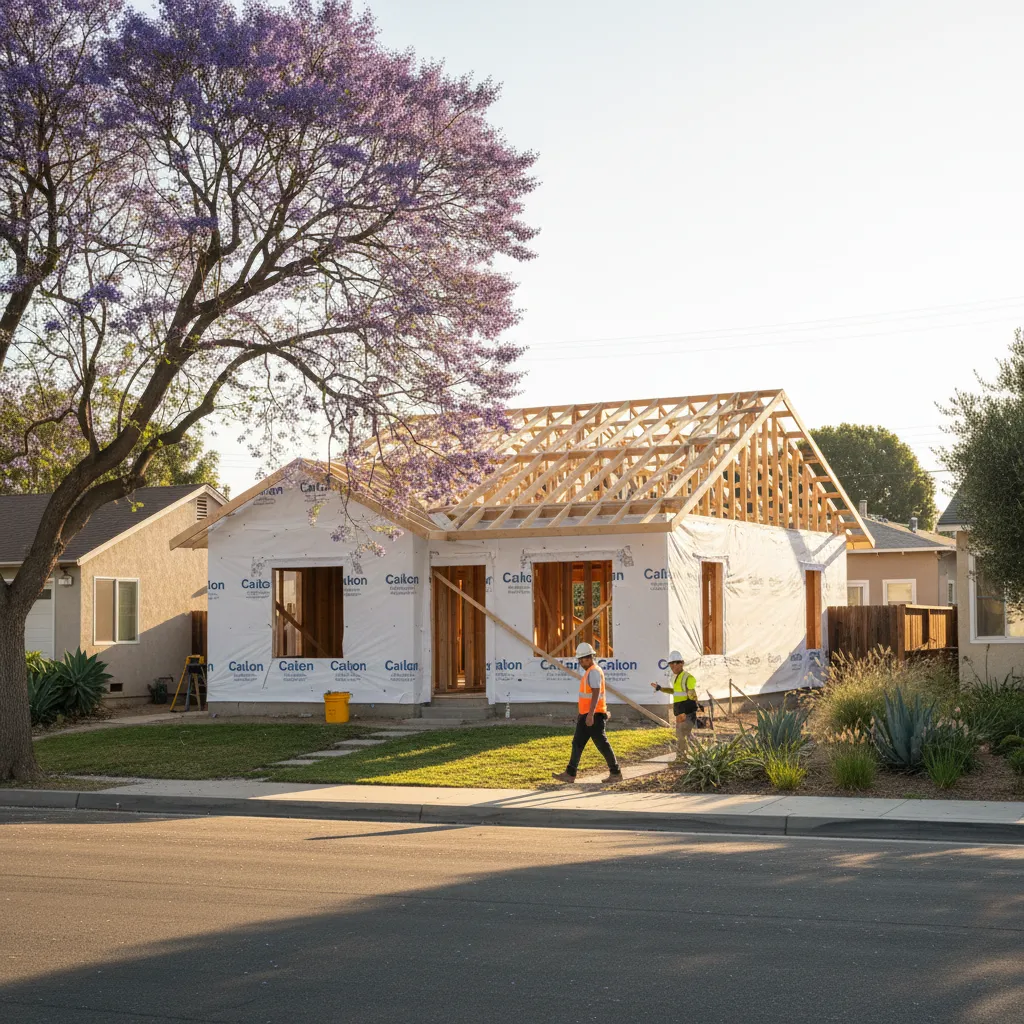
Most of Van Nuys falls under R1 single-family zoning. That sounds simple until you actually pull up your lot's specific zone designation and realize there are subcategories that change everything. Setback requirements, lot coverage limits, height restrictions. They all shift depending on your exact zone code.
A contractor checks this before anything else on every new build construction project.
Here's what typically determines what you can build on your lot in Van Nuys:
- Lot size and shape, Narrow lots near Kester Avenue have different buildable footprints than wider parcels closer to Sepulveda Boulevard
- Setback requirements, Front, side, and rear yard setbacks eat into your usable space fast, sometimes more than people expect
- Floor area ratio (FAR), The city caps how much total square footage you can build relative to your lot size
- Height limits, Most residential zones in Van Nuys cap you at 33 feet, but hillside overlay zones can restrict that further
- Lot coverage percentage, This controls how much of your lot the building footprint can actually cover
Sometimes a homeowner has a bigger vision than their lot technically allows on paper. But that doesn't mean the project is dead. It means designing around the constraints smartly. Sometimes shifting the footprint five feet solves a setback issue. Sometimes going up a second story gives you the square footage you wanted without exceeding lot coverage.
And here's something a lot of folks in Van Nuys don't realize. If your property sits in a specific plan area or overlay zone, there may be additional design guidelines on top of standard zoning. The Van Nuys neighborhood has several of these, they can affect roof pitch, exterior materials, even window placement.
According to the Los Angeles Department of Building and Safety, all new build construction must also comply with the latest California Building Code. So your zoning research is really just step one. A contractor pulls the full property report, confirms the zone, checks for any recorded easements, and reviews slope conditions before a floor plan even gets sketched. That groundwork saves you from costly redesigns later.
Not sure what your lot allows? Reach out and we'll match you with a contractor to look it up.
LADBS Permits for New Residential Construction
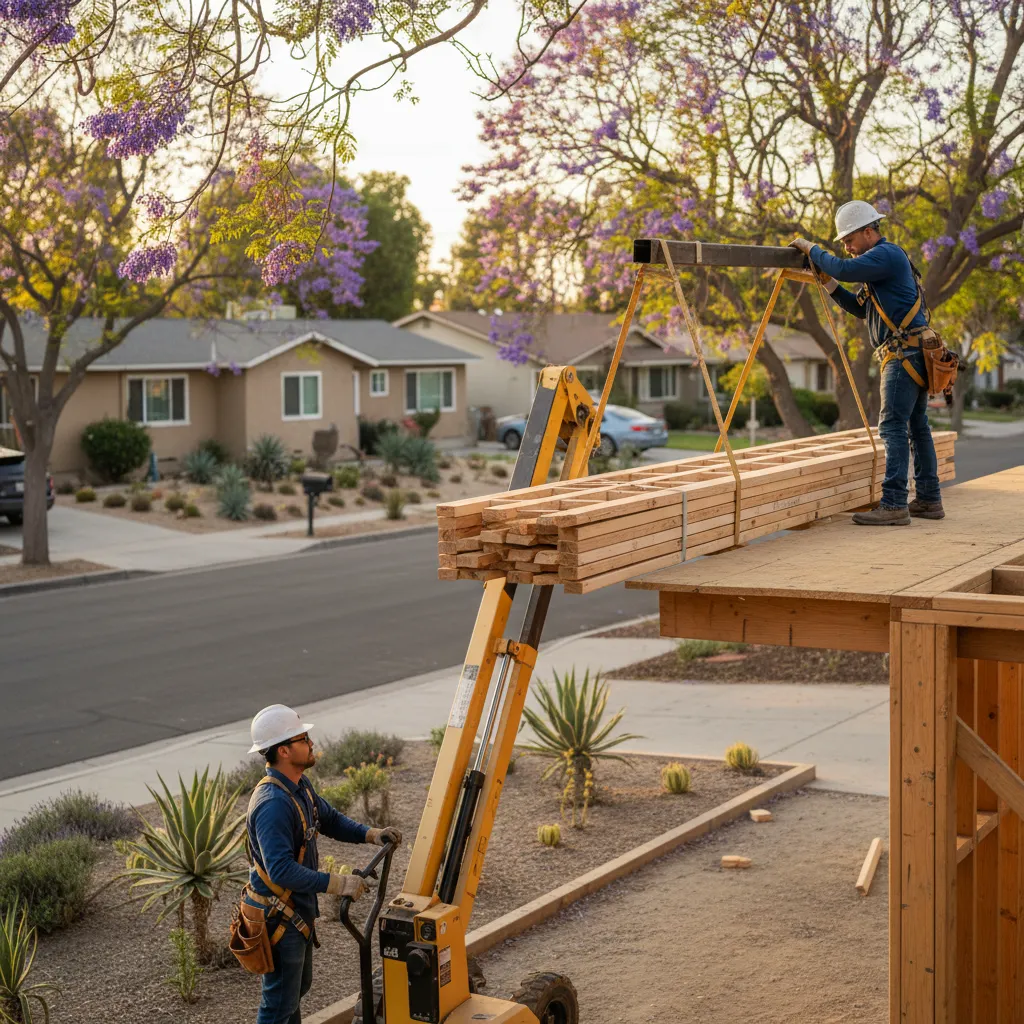
Permits are where most people get stuck. "I didn't think it would be this complicated" is a common refrain. And the Los Angeles Department of Building and Safety doesn't make it easy. But here's the thing. If you skip this step or do it wrong, your entire new build construction project can get shut down mid-pour.
Van Nuys falls under the LADBS jurisdiction, and every new residential structure needs a full building permit before any work starts. That includes grading permits, foundation permits, and separate mechanical and plumbing permits. You're also looking at a plan check process that can take weeks depending on the scope.
What the Permit Process Actually Looks Like
Here's how a contractor walks through it with every client:
- The contractor pulls your property's zoning info and verifies what's buildable on your lot, including setbacks and height limits specific to your block.
- Engineered plans get prepared that meet current California Building Code and local amendments.
- Plans go to LADBS plan check and the contractor handles corrections directly with the examiner.
- Once approved, inspections get scheduled at every phase: foundation, framing, rough electrical, rough plumbing, insulation, and final.
Delays happen because plans weren't complete at submission. Missing a Title 24 energy report or a soils report will bounce your application right back. A contractor who's done enough projects near Victory Boulevard and throughout the Van Nuys corridor knows exactly what examiners flag.
There's also the issue of lot-specific conditions. Some parcels in Van Nuys sit in a hillside overlay or a flood zone, those trigger extra review layers that add time. A contractor checks for these before drawing even starts.
Have questions about your lot's conditions? A contractor can usually tell you within a day.
And don't forget about the school fee assessment from LAUSD. It applies to all new residential square footage. According to the California Government Code, these fees are collected before permit issuance, so a good contractor factors that into your project timeline from the start. Skipping ahead without knowing the full permit picture is how budgets blow up and schedules fall apart. A good contractor handles permits like they're the foundation of the project, because they are.
The Construction Sequence From Foundation to Final Inspection
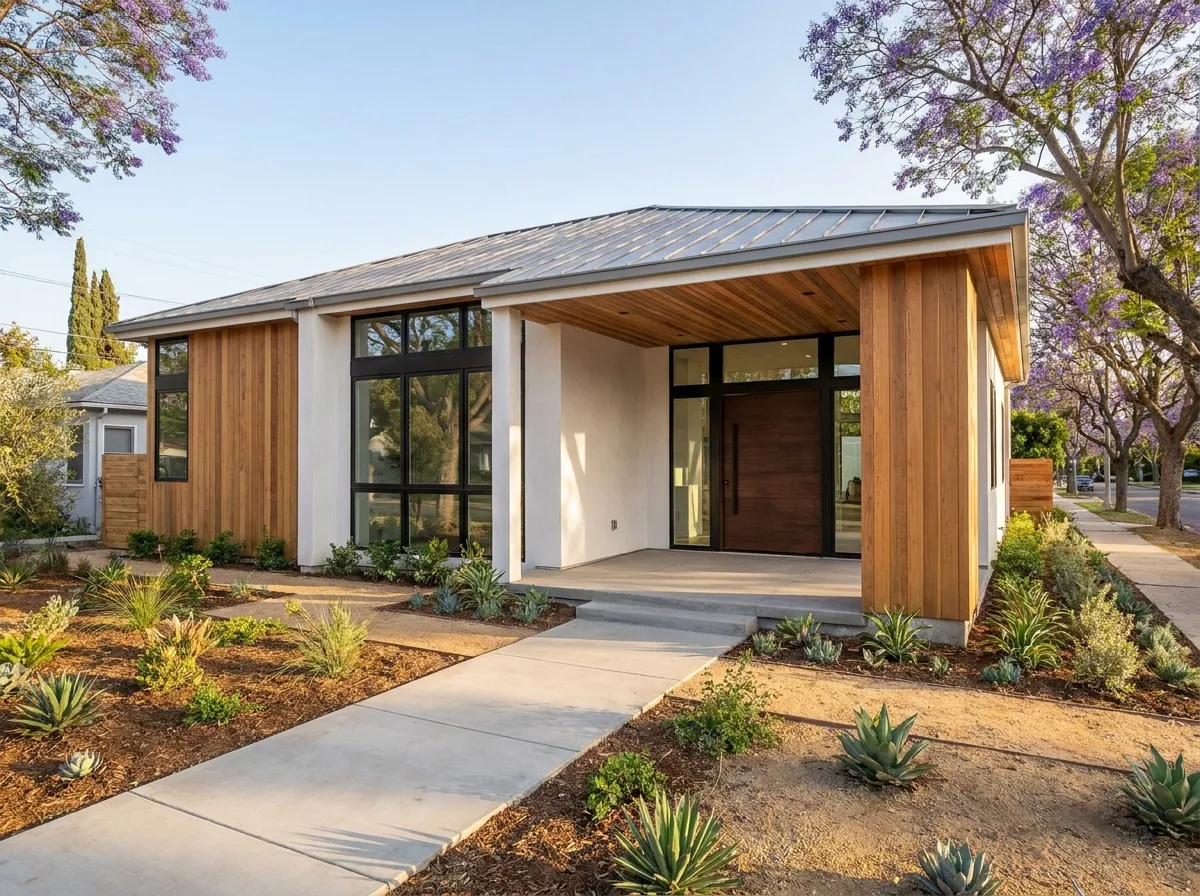
Every new build construction project in Van Nuys follows a specific order. Skip a step or rush through one, and you'll pay for it later. It happens too many times to count.
Here's how the sequence works from the ground up:
- Site prep and grading. The lot gets cleared, the ground leveled, and drainage sloped away from the future structure. Soil conditions near the Sepulveda Basin can surprise you.
- Foundation construction. Footings get poured first, then the slab or raised foundation. Inspectors check rebar placement and concrete depth before work moves on.
- Structural framing. Walls go up, roof trusses get set, and the shape of your home becomes real. This is where you finally see it.
- Rough mechanical systems. Plumbing, electrical, and HVAC get routed through walls and floors. All of it has to pass inspection before anything gets covered.
- Insulation and drywall installation. Once rough systems are approved, the walls get insulated and closed up.
- Finish work. Flooring, cabinets, fixtures, paint. This stage moves fast but demands precision.
- Final inspection and certificate of occupancy. The city signs off on everything. You can't legally move in without it.
That's seven major phases, each with its own inspection checkpoint. And each inspection in Van Nuys requires scheduling through the LA Department of Building and Safety. Miss a window, you lose days.
One thing every client should know: the foundation phase takes longer than you'd expect. Don't panic. Concrete needs time to cure properly, the city needs time to inspect. Rushing concrete is how cracks show up two years later. A good contractor won't do that to you.
The framing stage is where changes get expensive. Moving a wall during framing costs a fraction of what it costs after drywall installation is done. So a good contractor locks down the floor plan early and sticks to it. That discipline keeps your project on track and your budget intact.
By the time final inspection arrives, there shouldn't be surprises. A good crew runs a punch list walk-through before the inspector ever shows up, catching small issues while they're still small.
What to Confirm Before Signing With a New Build Contractor
You've found a contractor you like. They said the right things. Now slow down for a minute.
Signing a contract for new build construction is a big commitment, and homeowners rush this step more than any other. A few questions up front can save you months of headaches in Van Nuys where permit timelines and soil conditions already add complexity to every project.
Licensing and Insurance
Ask to see their active California contractor's license. Not a copy from three years ago. A current one. Then confirm they carry general liability insurance and workers' comp. If a worker gets hurt on your property and the contractor doesn't have coverage, that falls on you. According to the California Contractors State License Board, homeowners should always verify license status before signing any agreement.
What the Contract Should Spell Out
Your contract needs to cover more than just a total dollar amount. Here's what to look for before you sign:
- A detailed scope of work listing every phase from foundation construction through final inspections
- A realistic project timeline with start date and estimated completion
- A payment schedule tied to milestones, not calendar dates
- Who pulls the permits and who's responsible for inspections
- How change orders get handled when something unexpected comes up
If any of those items are vague or missing, that's a red flag. Disputes come from things that weren't written down clearly.
Ask about their subcontractors too. A lot of the work on a new build gets done by subs for plumbing, electrical, structural framing. You want to know those crews are licensed and insured, not just the general contractor. Over near Lake Balboa, one homeowner had been burned by a previous contractor using unlicensed subs. The city shut the job down for weeks.
And don't skip references. Call past clients. Drive by finished projects if you can. Look at online reviews. But talk to real people who went through the full process.
Ready to talk through your project details? Call us and we'll match you with a contractor who can walk you through exactly what to expect.