Why Van Nuys Backyards Need Covered Outdoor Space
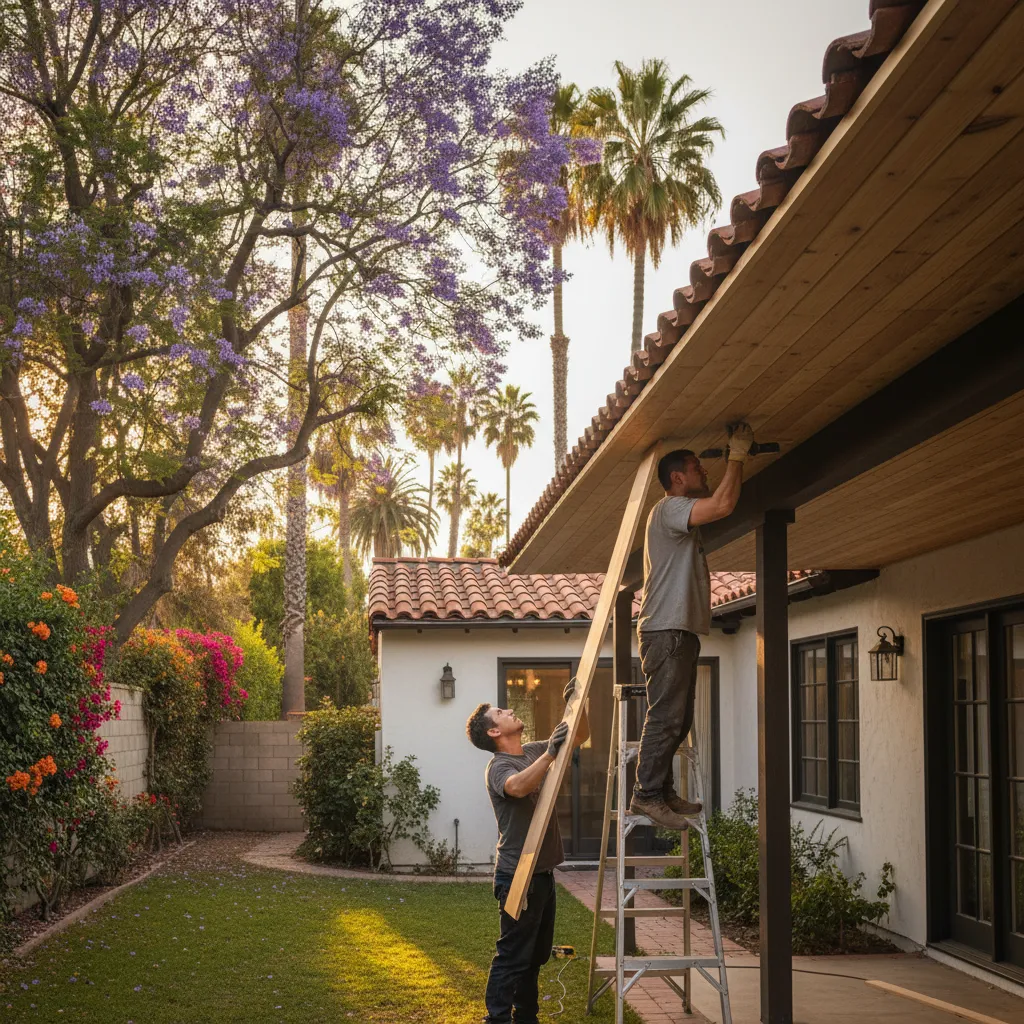
Most folks around here use their backyard maybe half as much as they want to. And the reason's almost always the same. Too hot from May through October, no shade worth sitting under.
Van Nuys sits right in the middle of the San Fernando Valley floor. It doesn't get the ocean breeze that the Westside enjoys. Summer afternoons hit 100 degrees regularly, the sun just beats down on concrete and grass with nothing to stop it. Your patio furniture gets too hot to touch by noon. That nice outdoor dining set you bought? It collects dust because nobody wants to sit out there and sweat through a meal.
Patio cover construction changes how your yard works on a daily basis. A solid cover drops the temperature underneath by 20 degrees or more. Suddenly your back patio becomes a second living room. It happens every single week — families who barely stepped outside now eat dinner out there every night.
But heat isn't the only problem. Here's what unprotected patios deal with in this part of the Valley:
- UV damage that fades and cracks outdoor furniture within a single season
- Sun glare that makes it impossible to see a TV or laptop screen outside
- Occasional rain that sends everyone scrambling indoors during winter months
- Falling debris from mature trees common in neighborhoods like Lake Balboa and Valley Glen
A covered patio handles all of that at once.
There's also the space question. Lots in Van Nuys tend to be generous compared to other parts of Los Angeles. You've got the square footage. So why let it go to waste? Homeowners near Sherman Way and Victory Boulevard have 1,500 square feet of backyard doing absolutely nothing. That's real living space sitting empty because there's no comfortable way to use it for eight months of the year.
Think about what you'd actually do out there with proper cover overhead. Morning coffee without squinting. Kids playing in the shade after school. Hosting friends on a Saturday without everyone crowding inside your kitchen. According to the National Association of Home Builders, outdoor living spaces rank among the top features buyers look for in homes today. That's not just comfort, it's value you can see when it matters.
Your backyard's already there. It just needs a roof.
Patio Cover Materials That Perform in the San Fernando Valley Climate
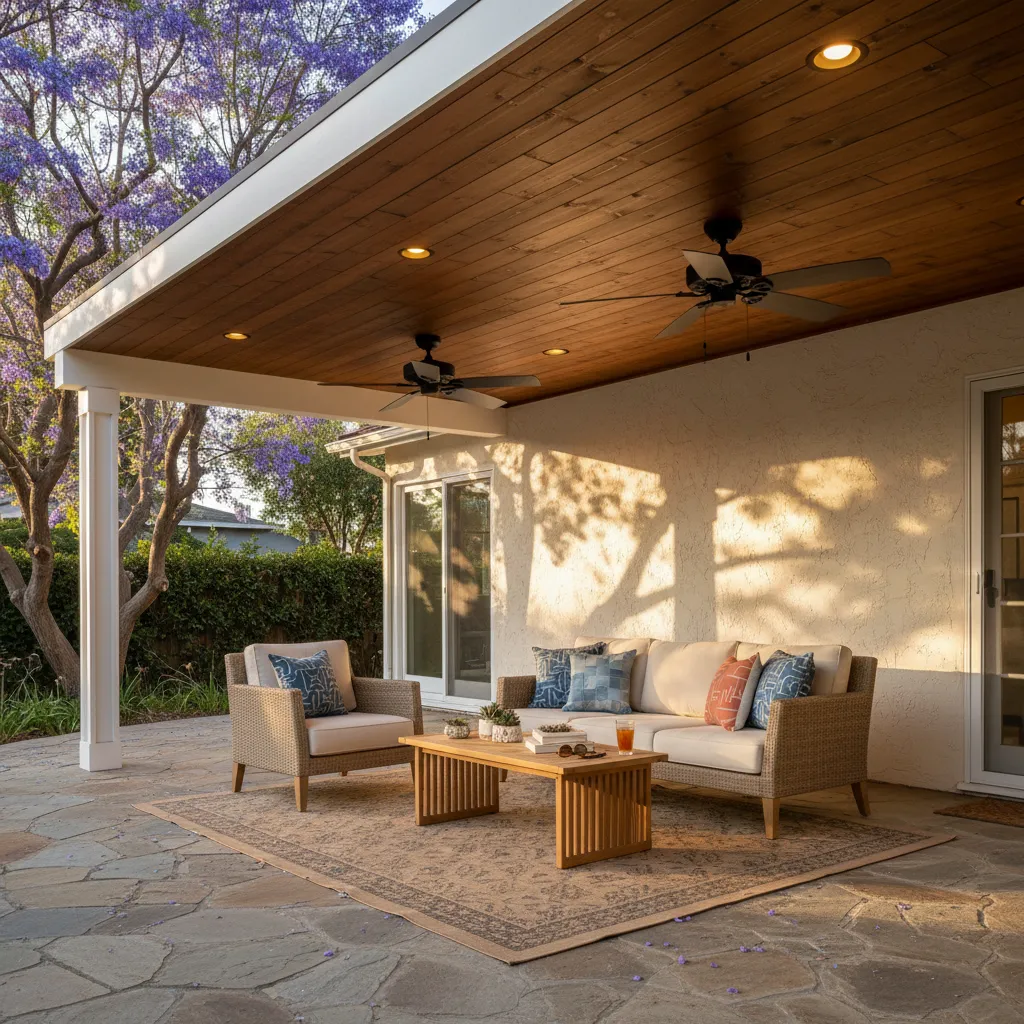
Van Nuys gets brutal summer heat. 100-degree days that stretch from June through October, with UV exposure that destroys the wrong materials fast. So picking the right material for your patio cover isn't just about looks. It's about survival.
Patio covers get built every week in this climate, and it's clear what holds up and what doesn't. Here's what actually works out here:
- Solid wood (redwood or cedar), naturally resistant to insects and rot, holds stain well, and gives you that classic backyard feel homeowners near Lake Balboa love
- Aluminum, lightweight, won't warp in the heat, zero maintenance beyond a quick rinse
- Engineered wood or composite, resists cracking and fading better than raw lumber when temperatures swing 40 degrees between seasons
- Steel framing with a stucco or drywall finish, the strongest option for attached patio covers that tie into your home's existing structure
Homeowners ask about wood first. And wood is great. But raw pine or fir? That's a problem in Van Nuys. The dry heat splits it within two years. Cedar or redwood is the better call because they handle the temperature swings without constant upkeep.
Aluminum is the low-maintenance winner. It won't rust, it won't crack, it reflects heat instead of absorbing it. For homeowners who want a patio cover they can forget about for years, aluminum is hard to beat.
Not sure which direction makes sense for your yard? That's actually pretty common.
The right choice depends on a few things. How your patio cover connects to your house matters. Whether you want an open lattice top or a solid roof changes the material requirements. Your lot's sun exposure plays a role too. A south-facing backyard in the Sepulveda Basin area takes way more punishment than a shaded north-facing one.
A contractor walks through all of this during the site visit — looking at your home's framing, checking the existing foundation or slab, and recommending the material that'll actually last. Proper slab edge detailing and thermal performance are critical in this climate — you can review energy-efficient patio construction details from ENERGY STAR to understand how foundation and edge connections affect long-term performance. An experienced, licensed contractor knows what performs here and what just looks good in a catalog.
Permit Requirements for Covered Patio Structures in Los Angeles
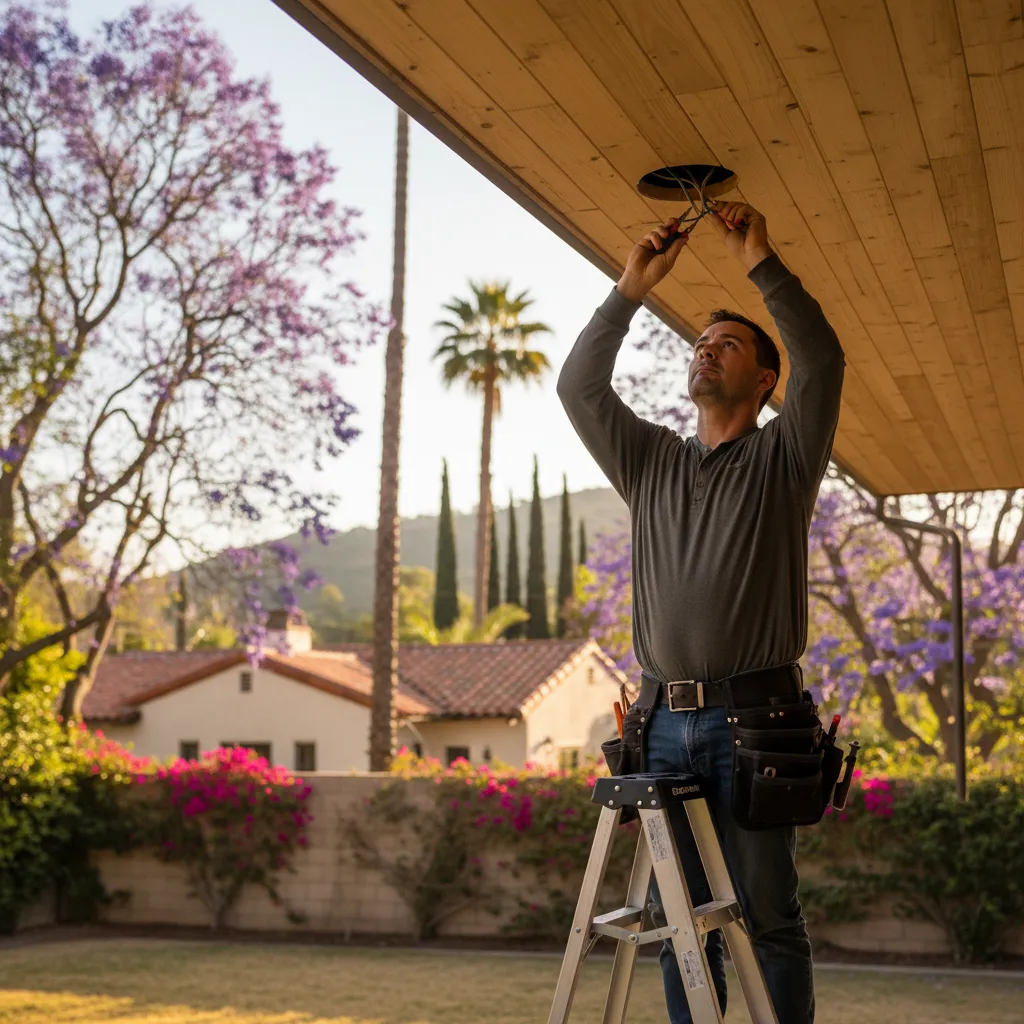
Yes, you need a permit. It's the question homeowners ask almost daily, and the answer's always the same. The City of Los Angeles requires a building permit for any patio cover construction that's attached to your home or exceeds a certain size threshold. Skipping this step can cost you way more than doing it right the first time.
Here's what trips people up in Van Nuys. They think a patio cover is "just a roof over the backyard." But the city treats it as a structure. That means it falls under zoning codes, setback requirements, and structural review. If your property sits near the lot line, you'll likely need a setback variance too.
What the Permit Process Looks Like
A contractor handles permits, so this isn't something you need to stress about. But you should know what's involved:
- The contractor pulls your property's zoning info and checks setback limits for your specific lot.
- Structural plans get prepared showing post footings, beam spans, and attachment details.
- The plans get submitted to LADBS, the Los Angeles Department of Building and Safety.
- A plan checker reviews everything, sometimes requesting corrections.
- Once approved, inspections get scheduled at each stage of the build.
The whole approval process usually takes two to four weeks. Sometimes faster if the project is straightforward.
The biggest delay comes from incomplete plans. That's why a good contractor drafts everything thoroughly before submitting. According to LADBS, unpermitted structures can result in fines and mandatory removal orders. Not worth the risk.
And here's something most homeowners near Lake Balboa or the Sherman Oaks border don't realize. Your neighborhood's specific plan overlay can add extra rules on top of standard city code. Things like maximum height limits or required open-space ratios that affect how large your patio cover can be.
A contractor who's pulled permits across Van Nuys for years knows which plan checkers want what. That saves you time and headaches. If a neighbor built something without permits and "got away with it," that doesn't protect you when you sell your home and the buyer's inspector flags it.
Want to skip the guesswork? Give us a call and we'll match you with a contractor who'll check your property's requirements before anything else moves forward.
The Patio Cover Construction Process from First Call to Final Inspection
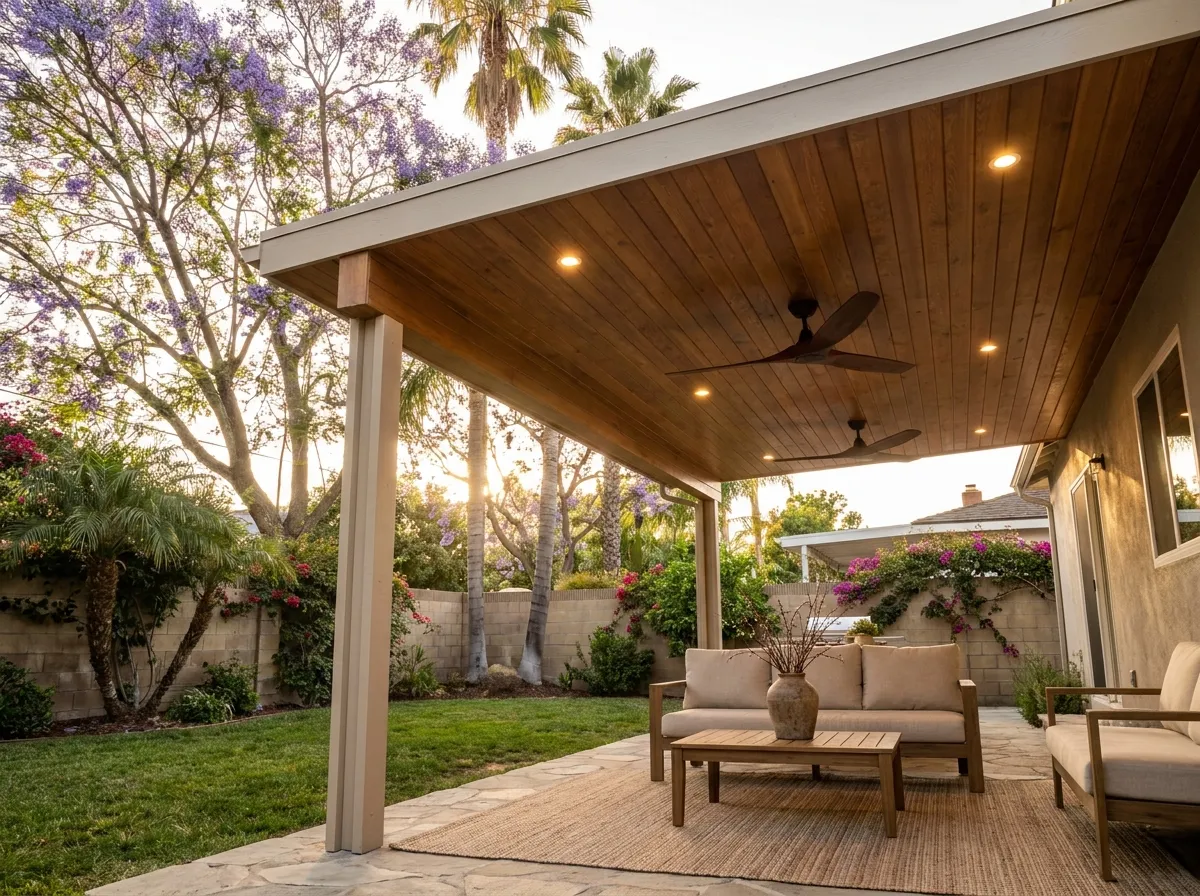
Patio cover construction in Van Nuys runs like clockwork for an experienced crew. But every project still gets full attention because your backyard isn't the same as your neighbor's.
Here's how it goes from start to finish:
- Phone call or site visit request. You describe what you're thinking. A contractor asks about your yard, your home's layout, and how you want to use the space. Takes about ten minutes.
- On-site measurement and design. A contractor comes out, looks at your roof line, checks the soil near your foundation, and measures everything. This is where post placement and how the cover ties into your existing structure get figured out.
- Permit application. The contractor handles the paperwork with the City of Los Angeles. Most patio covers in this area need a building permit, and the contractor pulls it so you don't have to sit on hold.
- Material prep and scheduling. Once the permit's approved, materials get ordered and build dates locked in. You stay posted the whole time.
- Construction. The crew shows up on time. Posts go in first, then beams, then rafters or solid roof panels. A typical patio cover takes three to five days depending on size and style.
- Final inspection. The city inspector comes out, checks the work against the approved plans, and signs off. A good contractor doesn't consider the job done until that happens.
The whole process from first call to final inspection takes about three to four weeks. Permit timelines can stretch that a bit, especially in busier months.
One thing a good contractor always does is check how your patio cover connects to your home's framing. Over near Lake Balboa, one house had a previous contractor lag-bolt a ledger board into stucco with no flashing behind it. Water damage everywhere. It got torn off, done right, and the inspector passed it first try.
That's the difference between a crew that knows the process and one that's guessing.
Want to get the ball rolling? Give us a call and we'll match you with a contractor to come look at your yard.
How to Evaluate a Patio Cover Contractor Before You Sign
You've decided you want a patio cover. Now comes the part that actually matters most. Picking the wrong contractor costs you more than money. It costs you time, stress, and a structure that might not last five years in Van Nuys heat.
Stories come in every week from homeowners near Lake Balboa who hired someone based on a cheap quote and ended up with sagging beams or posts that weren't anchored right. So here's what to look for before you put your name on anything.
What to Check Before You Commit
Start with the basics. These aren't optional.
- A valid California contractor's license, you can verify it in minutes on the CSLB website
- Proof of workers' comp and liability insurance that's current, not expired
- Photos of finished patio cover construction projects, not renderings or stock images
- At least three references from jobs completed in the last year
- A written scope of work that spells out materials, timeline, and permit responsibilities
The contractor who gets defensive about these questions is the one you should avoid.
Ask if they pull their own permits. This is a big one. Some will tell you a patio cover doesn't need a permit in Van Nuys. That's not true for most builds. According to the Los Angeles Department of Building and Safety, covered patio structures typically require a building permit and must meet local setback and load requirements. If your contractor shrugs that off, walk away.
Look at how they communicate before the job even starts. Do they show up on time for the estimate? Do they answer your questions directly? The way someone handles a sales visit tells you exactly how they'll handle your project.
And don't just compare prices. Compare what's included. One bid might look lower but skip the concrete footings or use thinner lumber. Another might seem higher because it accounts for proper engineering and city inspections. The details in the scope of work matter more than the bottom line number.
Want help sorting through all this? Give us a call — we'll connect you with a contractor and can walk you through what a solid patio cover construction contract should look like, no pressure.