When Does a Pergola Need a Permit in Van Nuys?
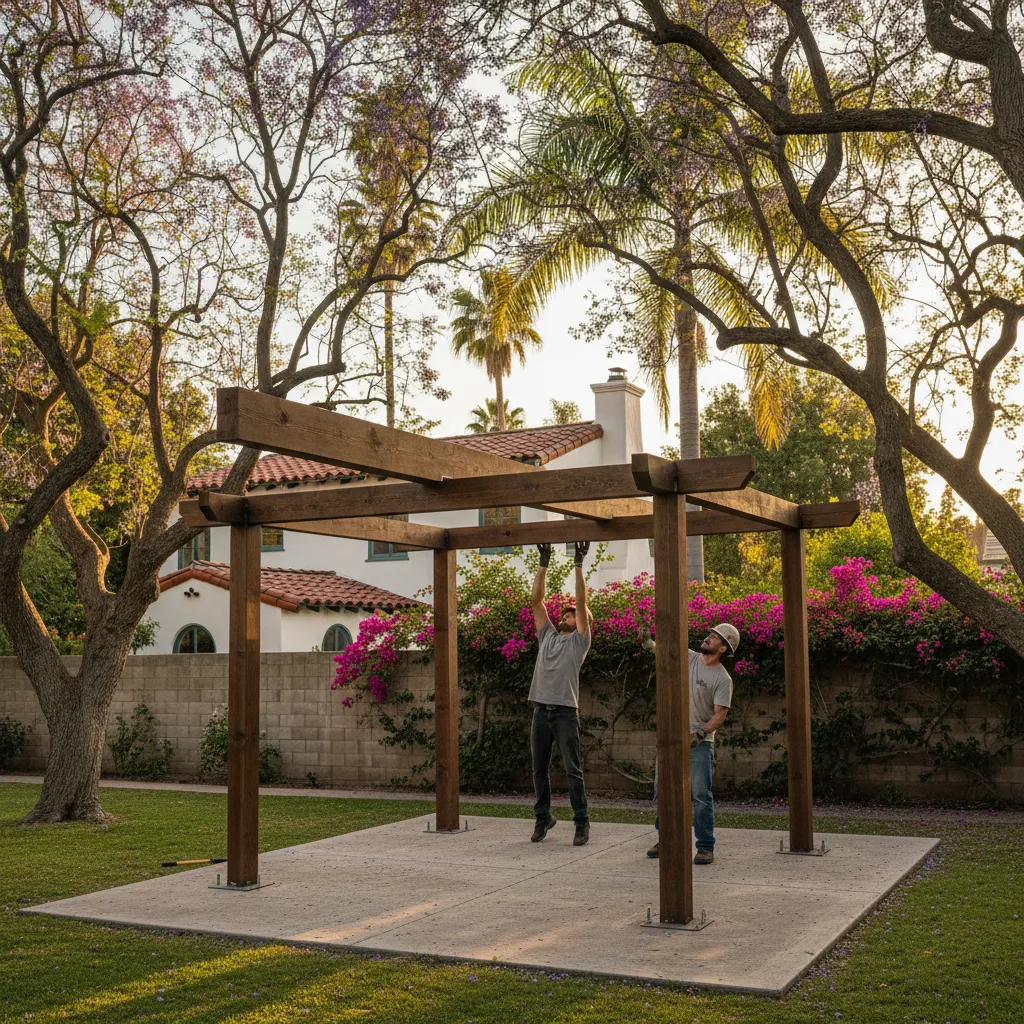
This is where most people miss the mark. Although not all pergolas require a building permit in Van Nuys, many do, and the circumstances are not always clear-cut.
For the most part, the City of Los Angeles building codes govern the construction of pergolas here. If it's freestanding and less than 200 square feet with no plumbing or electrical work, in many cases, no permit is required. But it becomes necessary the moment it grows too large, gets attached to the home, or has wiring run to it for any lights or fans. Permit requirements come up constantly in this work.
Generally speaking, here are the situations in which you would require a permit:
- If your pergola's coverage area surpasses 200 square feet
- If it's attached to your home's roof or walls
- If electrical service is to be provided for lights, power outlets or a ceiling fan
- If it is to be placed less than five feet from the property line
- If the structure sits in a hillside or fire zone near the Santa Monica Mountains
The final item here often surprises people, particularly the ones living near the Santa Monica Mountains foothills in Van Nuys. The fire zone limits can affect the choice of materials for a structure, as well as the proximity to fences or the homes of your neighbors.
Now what if you don't get a permit? It is simply not a worthwhile decision. Building without a permit can make a mess of things down the road in the event that you're trying to sell your home. You might find yourself in a fix with appraisals and buyers, or find out that your structure is required by the city to be demolished. A number of homeowners in the adjacent Lake Balboa community have had to pay out several thousand dollars for this very reason to avoid a several hundred dollar building permit expense.
A contractor manages the permit process from start to finish — pulling the proper plans, submitting them to LA Department of Building and Safety, and scheduling the requisite inspections. Things can move along more quickly than you think, and the process is more or less automatic. Typical pergola installation permits in Van Nuys usually take only 2-4 weeks for the review to be completed.
Still, paperwork should not prevent you from building your dream project. It's an uncomplicated process when handled by someone knowledgeable about the local code.
Selecting a Material for a Van Nuys Pergola for Sun and Santa Ana Winds
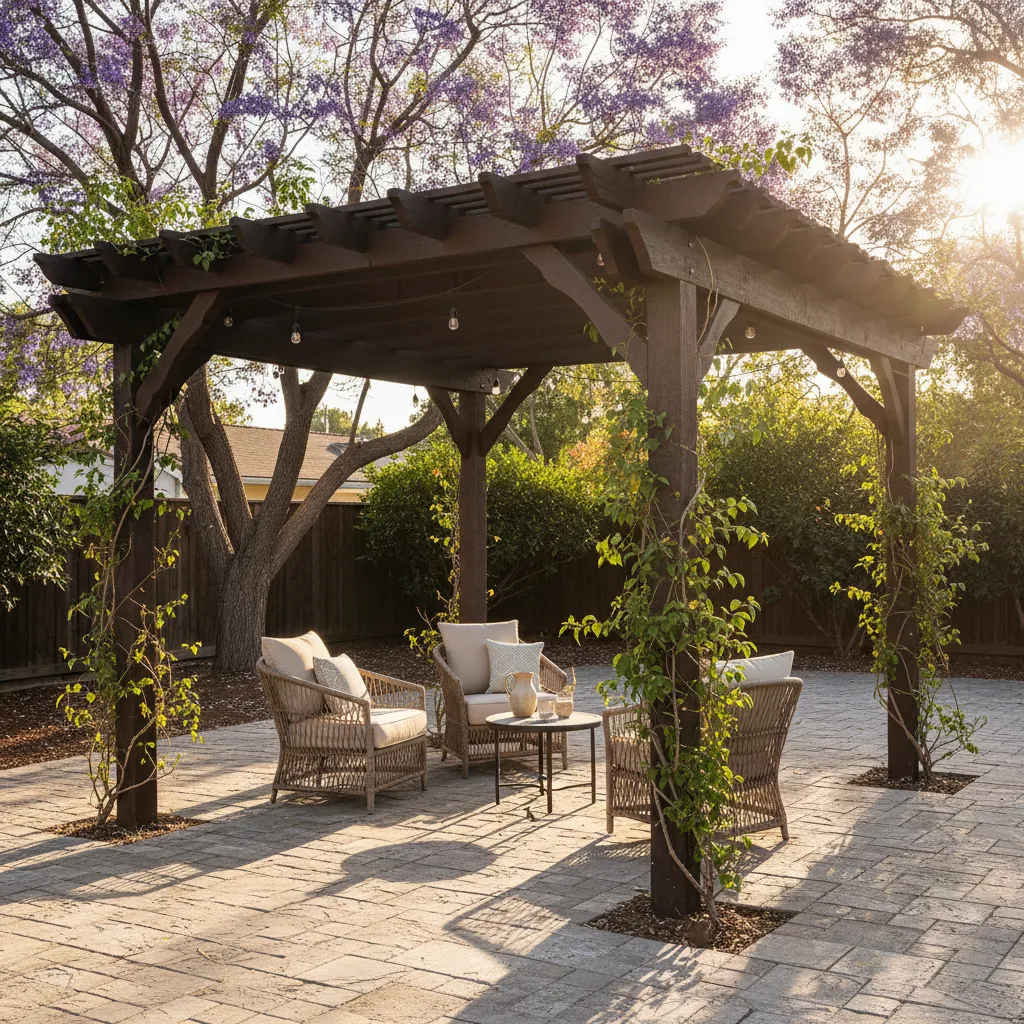
A pergola installed in a backyard in Van Nuys is going to be exposed to the blazing sun for most of the time. Summer days in Van Nuys can reach triple-digits and Santa Ana winds can be pretty strong. Your material choice will affect more than your design.
People ask a lot about choosing wood, aluminum, or vinyl for the pergola. Here's the thing.
Wood Pergolas
Wood such as redwood and cedar will stand up the best to Van Nuys' climate. These naturally resist decay and have a great look in the backyards of the community in the Lake Balboa area. They will, however, require maintenance. Expect to restain or reseal every two to three years. Although the cost to buy pine to begin with is less, the life expectancy without regular care isn't as long. Pine pergolas only five years old get removed because the homeowner neglected to re-seal them.
Aluminum Pergolas
This is the most-recommended material for pergolas in Van Nuys. It doesn't warp, crack, or fade in our heat; it stands up to 60-mph wind gusts without flexing; and it's light enough that it places less stress on your patio or deck. Years later, an aluminum pergola still looks as good as the day it went in.
Vinyl Pergolas
Vinyl is okay for milder climates, but it's not the first pick here. The UV rays here are intense, and they destroy vinyl in the sun in much less time than one might expect. Vinyl pergolas show discoloration and brittleness after just a few seasons in the open sun.
Other factors that should go into your decision include:
- How much direct sun (from 12:00pm-5pm) your yard receives.
- Whether your property is an exposed lot, or if there is some protection from wind (like a block wall).
- How much time you're willing to commit to maintenance on an annual basis.
- Whether you may want an outdoor kitchen or patio covering in the future.
If you're not sure what will work best for your needs, give us a call and we'll match you with a contractor to chat through the details. According to the American Institute of Architects, outdoor living projects are the #1 requested home improvement project in America today. That's exactly what shows up every week in Van Nuys. People are ready to start using their yards, but just need a solid structure that will withstand the climate.
What Pergola Installation Looks Like From First Call To Final Walk-Through
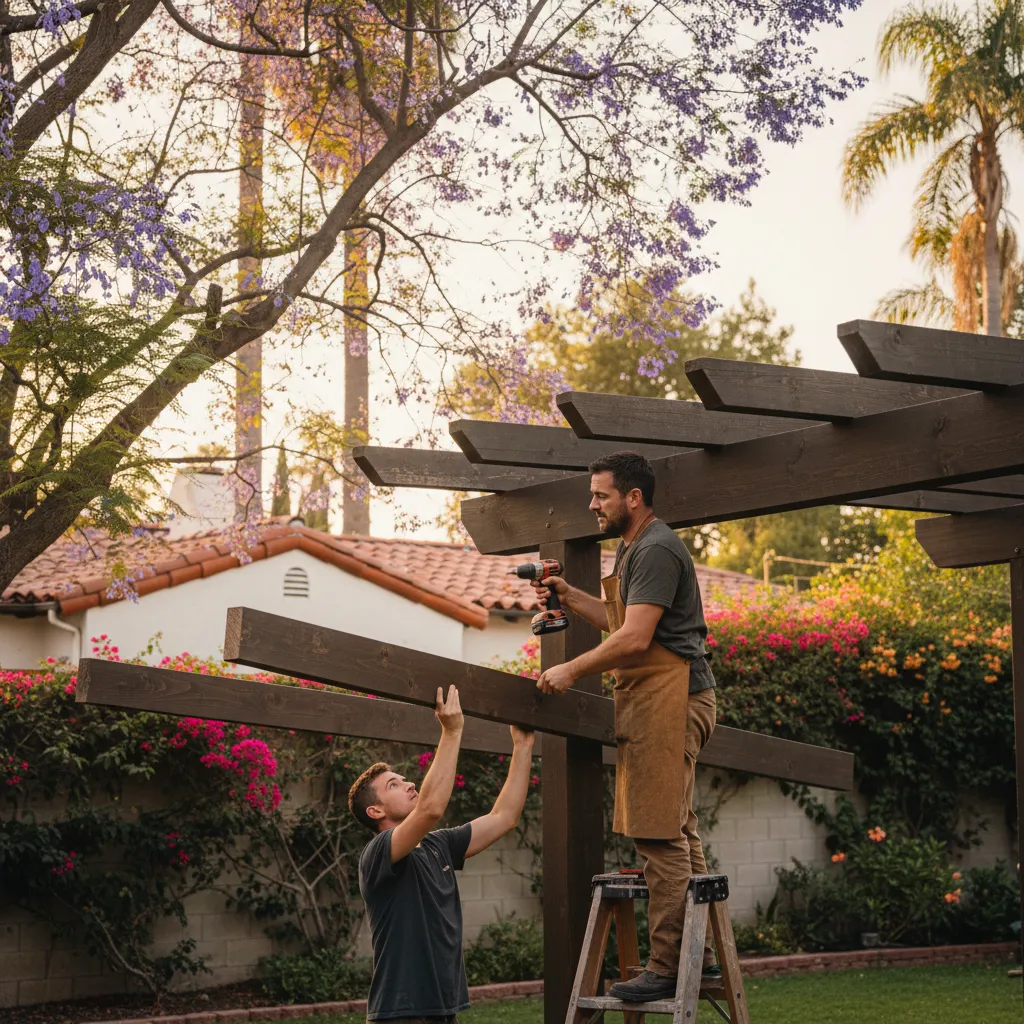
Everyone wants to know exactly what happens before they commit. Here's how a pergola installation goes, start to finish.
- You call or book online. A contractor sets up a time to come to your Van Nuys property, walks it to view your yard, asks about your vision for the new pergola, and identifies any factors that will affect construction.
- Measure and plan. The area gets measured exactly, and post placement, beam height and spacing, and how it ties into the existing yard get worked out. (If you're closer to the Lake Balboa side of Van Nuys, wind exposure can affect a pergola.)
- Permits get pulled. Many pergola installation projects in LA County need a permit. A contractor files all paperwork for you, so you don't have to wait on the phone with the Building Department.
- Site prep and footings. Prior to the pergola construction, the ground must be prepared. Holes get dug for the posts, and concrete footings poured. This is the step most DIY attempts gloss over, yet it's frequently the source of structural headaches down the road.
- Structural installation. Posts go in before beams before rafters. Every single connection is fastened with the appropriate hardware; nothing is left to chance.
- Final inspection. The contractor shows you the completed pergola and goes over every detail so you love the final result before they depart.
In most cases, the entire process can be wrapped up in a few days for a typical backyard pergola. A bigger project or a project that also includes pouring a new concrete patio will take more time, of course.
That said, more often than not, the thing that slows down the process isn't the build. It's the city.
What's worth noting is that a good crew works efficiently and cleanly. A contractor who's installed pergolas in Van Nuys for years knows the area's soil, zoning, and setback requirements, and aims to have your pergola up before your landscape is trashed. Existing landscaping gets protected too.
Attached Pergola vs. Freestanding Pergola - What Is Right for You?
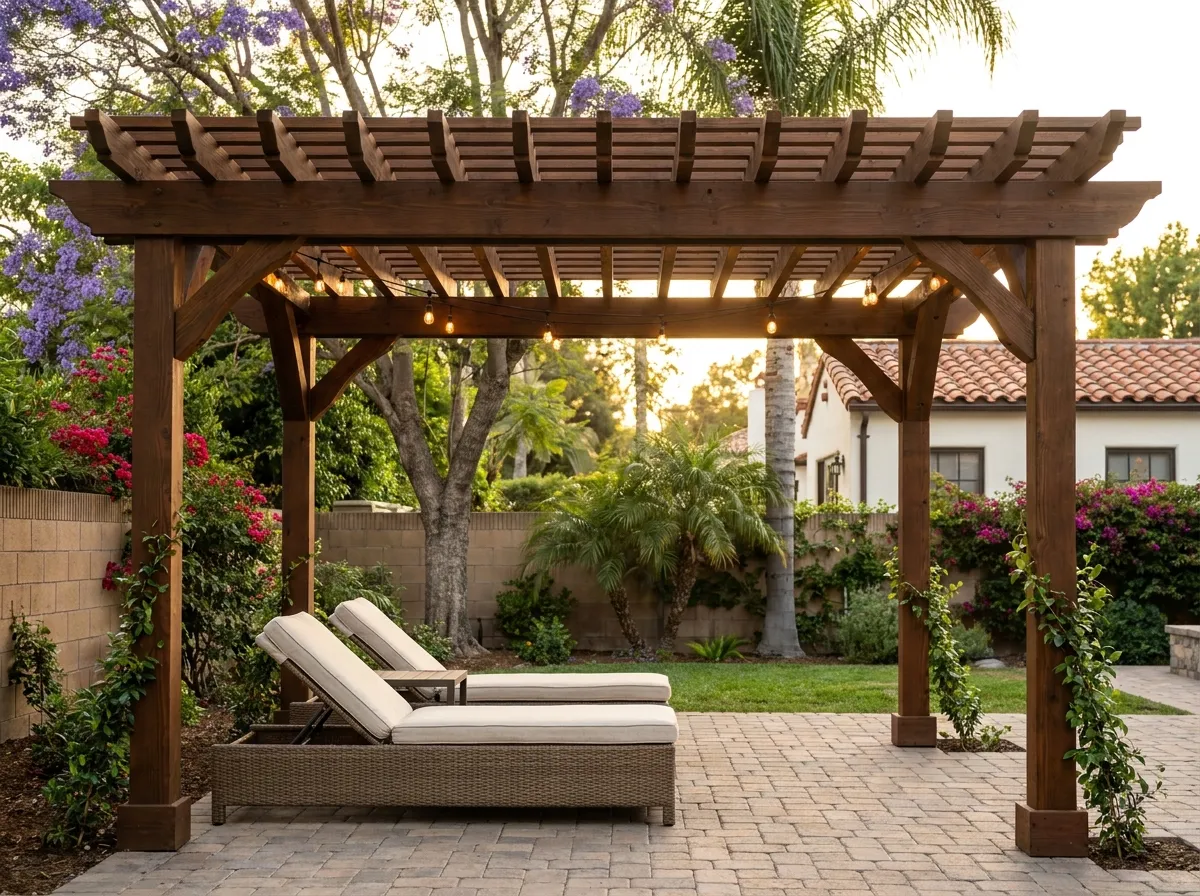
This is the first major question you will face when you are looking to install a new pergola in your backyard, and it can alter the installation process.
An attached pergola is one that is fastened to your house. On one side, the pergola is bolted directly into the exterior wall, just like a patio cover. On the other side, it's supported by posts. If you are looking to provide shade on one side of your house, then an attached pergola is a better option. Many of the homes in Van Nuys near Lake Balboa have sliding glass doors that are in need of cover. An attached pergola provides shade directly from your patio, or from your dining room and kitchen.
A freestanding pergola isn't bolted to the house. It has at least four posts and can be installed anywhere in your yard. For example, over an existing hot tub or fire pit or even over an existing garden space. This is ideal if you're looking to create additional lounge space in your backyard. It also allows for more customization when designing your pergola. However, because it's not attached to your house, this kind of pergola needs footings under four posts instead of two.
How to Choose Your Pergola
Here's the advice for Van Nuys homeowners weighing a pergola. Consider these factors:
- Your purpose. An attached pergola is perfect if you want a patio directly off the kitchen. A freestanding pergola is a great choice for a lounge or patio space in the back corner of the yard.
- The size of your yard. Smaller lots make an attached pergola the ideal choice as it won't take up as much yard space as a freestanding one.
- What your home is made of. Stucco homes usually don't require any engineering when attaching a pergola. Homes made of other materials may need reinforcement to hold the pergola's structure.
Most homeowners already have an idea of what they'd like before anyone explains what each option brings to the table — they're just looking for affirmation on whether it's feasible.
With that in mind, an attached pergola might require a different set of permits than one that isn't connected to your house, since it alters your current construction. A contractor deals with permit requirements regardless, but it's helpful to know before the project. The City of Los Angeles Department of Building and Safety states, "All structures that are attached to a dwelling, no matter how large or small, shall be reviewed for plans."
Both styles of pergolas look good when properly installed, but the wrong choice for your yard can cause issues that will bother you every time you step outside. This is why a good contractor always starts the pergola project with a site visit before suggesting one type over the other.
Mistakes That Frequently Result in Pergola Problems Later
Each month, calls come in from Van Nuys homeowners who had a pergola installed by a different company. The problems with these pergolas were almost always easily avoidable.
The biggest issue is posts installed too shallow into the ground. Some contractors dig 18 inches and consider it good enough. In areas of Lake Balboa and throughout the central Valley floor, the soil is too clay-heavy. The posts will shift, causing the entire pergola to lean over time. In fact, it may take as little as a year or two to see the shift. The International Code Council notes that freestanding structure post footings must meet minimum requirements based on soil conditions. By not abiding by these requirements, you're taking a risk on the longevity of your pergola.
These are the mistakes that show up regularly:
- The use of smaller posts that cannot support the span of the beams or wind load
- Pergolas built without permits and not up to code
- Using a ledger board to attach a pergola to a house without proper flashing
- The use of non-treated lumber, especially in ground-contact areas
- Placing posts directly into concrete without a means to drain water, which traps moisture between the concrete and the wood
The second-to-last mistake surprises a lot of people. People set posts into concrete assuming it'll protect the post from rot. What concrete actually does is act as a sponge, trapping water against the side of the post. That's why a good contractor uses a post base that raises the posts off the concrete footings on every pergola project.
The last common mistake involves setting up a pergola on the property line or too close to it without doing any property research. Homeowners set up the project, find out their structures aren't set back enough, and have to move it to the proper line or remove it altogether. A contractor handles the permitting process for the project, so setback problems never become an issue.
The sneaky common mistake is a poor connection between the beams and the posts. Toenailing two screws into the top of each post isn't going to cut it when Santa Ana winds are blowing. A good contractor uses engineered fasteners at each of these connections. These are the small details that make the difference between a pergola that stands for twenty years and one that wobbles after two summers.
Frankly, the majority of these mistakes could have been avoided. A quality pergola installation comes from planning and choosing the right materials. A contractor who's built pergolas across Van Nuys for a long time can see the potential problems before the job starts.