Signs Your Tub Is Ready to Be Replaced
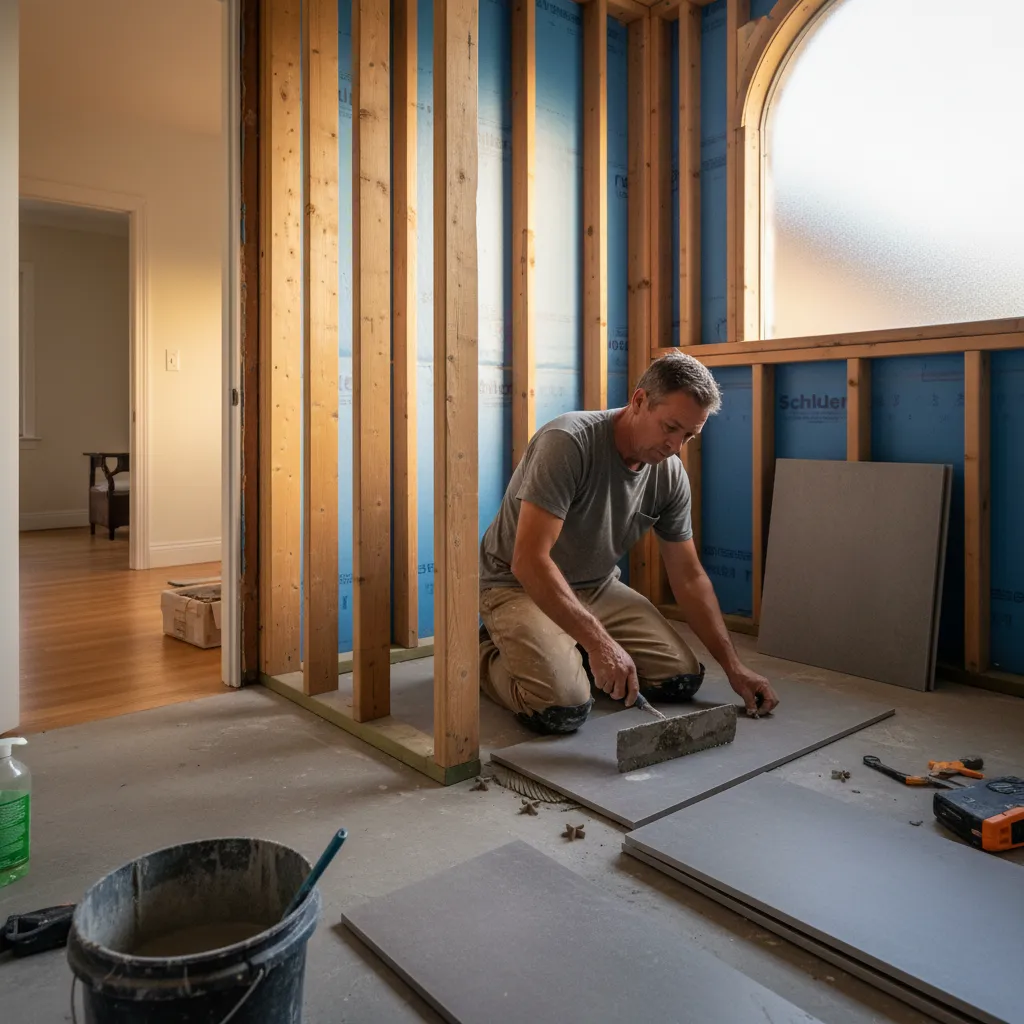
You already know something's off. That's probably why you're reading this.
Maybe the grout lines around your tub have turned dark no matter how much you scrub. Or the caulk keeps peeling away from the wall within weeks of reapplying it. This shows up constantly in older Van Nuys homes, especially in the neighborhoods around Sepulveda and Victory. Bathtubs from the 1970s and 1980s weren't built for the kind of use they've gotten, and after 30 or 40 years, they start telling you it's time.
Here are the signs a contractor looks for when a homeowner calls:
- Cracks or chips in the tub surface that keep reappearing after repair
- Persistent mold or mildew in spots you can't reach or clean
- Staining that won't come out no matter what product you use
- Wobbly or soft flooring near the base of the tub
- Water stains on the ceiling below the bathroom
That last one is the big red flag. If you see discoloration on a downstairs ceiling, there's likely a slow leak that's been doing damage for months. The tub surround has failed behind the wall where you can't see it.
But not every sign is dramatic. Sometimes it's just that stepping over a high tub wall feels risky now. A parent gets older. A knee injury changes things. The tub still "works" but it doesn't work for your life anymore. That's a perfectly good reason for a walk-in shower conversion.
And here's something people don't think about. A tub that's been refinished two or three times is basically done. Each refinish coat bonds a little worse than the last one, and the surface starts flaking sooner. At that point you're spending money to delay what needs to happen anyway.
If any of this sounds familiar, you're not jumping the gun. You're catching a problem before it gets expensive. Most walk-in shower conversion projects in Van Nuys start with someone noticing one of these exact signs and finally making the call.
What a Walk-in Shower Conversion Actually Involves
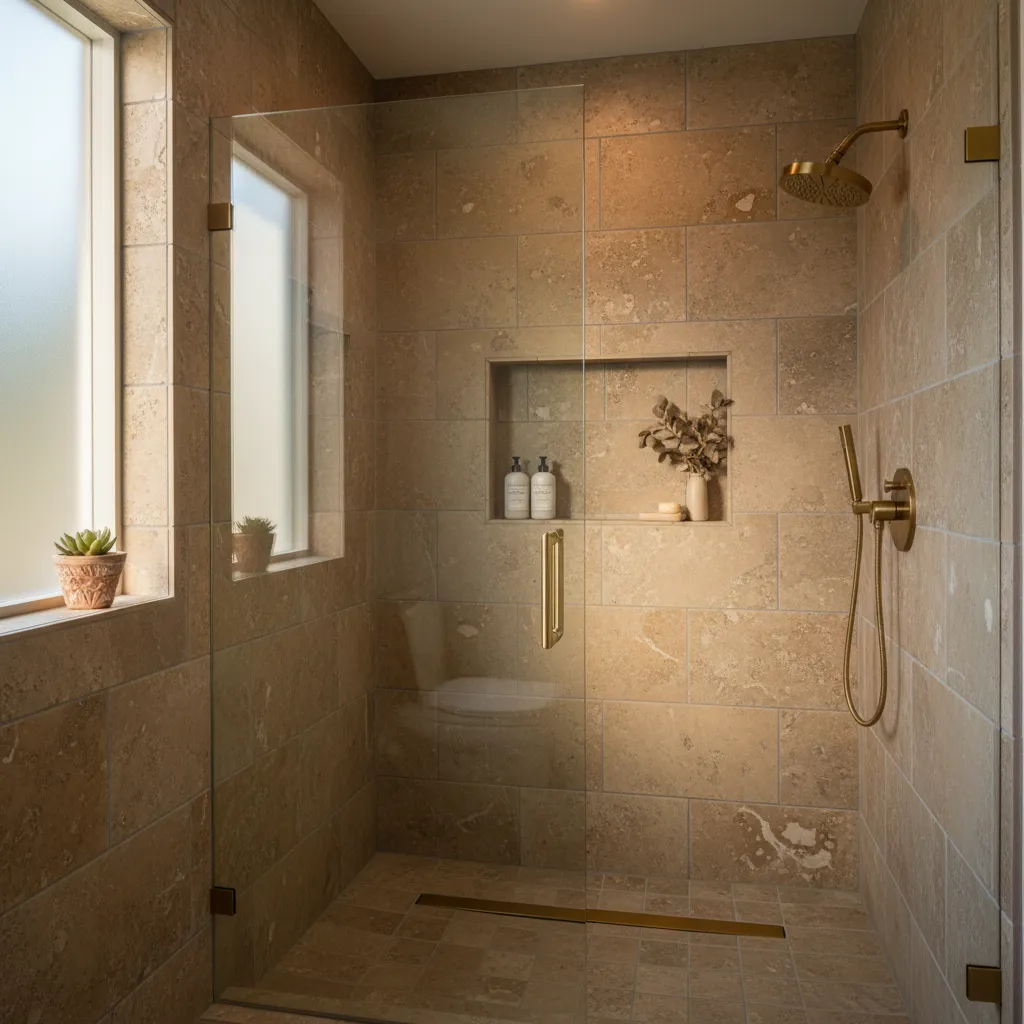
Most people picture ripping out a tub and dropping in a shower pan. That's part of it, sure. But a walk-in shower conversion touches way more than what you see on the surface.
It starts by gutting the old tub area down to the studs. Every time. Even if the walls look fine, the framing needs inspection and a check for moisture damage behind the tile or surround. In older Van Nuys homes, especially around Lake Balboa and the neighborhoods near Victory Boulevard, rotted studs or outdated plumbing turn up at least half the time. Skipping that step is how you end up with a brand-new shower leaking into your subfloor six months later.
Once the demo's done, here's what the actual build looks like:
- Reframe the shower area to fit the new layout and door opening.
- Reroute the drain. Tub drains and shower drains sit in different spots, so the plumbing has to move.
- Install a proper shower pan with waterproof membrane underneath.
- Add cement board and a full waterproofing system on every wall the water can reach.
- Set tile on the walls and floor.
- Install fixtures, glass doors or panels, and any built-in niches or benches.
The waterproofing stage is where cheap jobs fall apart. A good contractor uses a liquid-applied membrane over every seam and corner. It adds a day to the schedule, but it saves you thousands in future repairs.
And here's something most homeowners don't think about. Your existing vent fan might not be strong enough for a walk-in shower conversion. Tubs produce less steam than a wide-open shower running at full blast. A contractor checks the CFM rating and swaps it out if needed.
The whole process usually runs about five to seven working days for a standard conversion. Bigger builds with custom tile patterns or linear drains take a bit longer. But you're not without a bathroom for weeks. A good contractor keeps the project tight because you're living in the house during the work.
So no, it's not just "take the tub out and put a shower in." It's real construction. Done right, it'll last decades.
Permit Requirements for Shower Conversions in Los Angeles
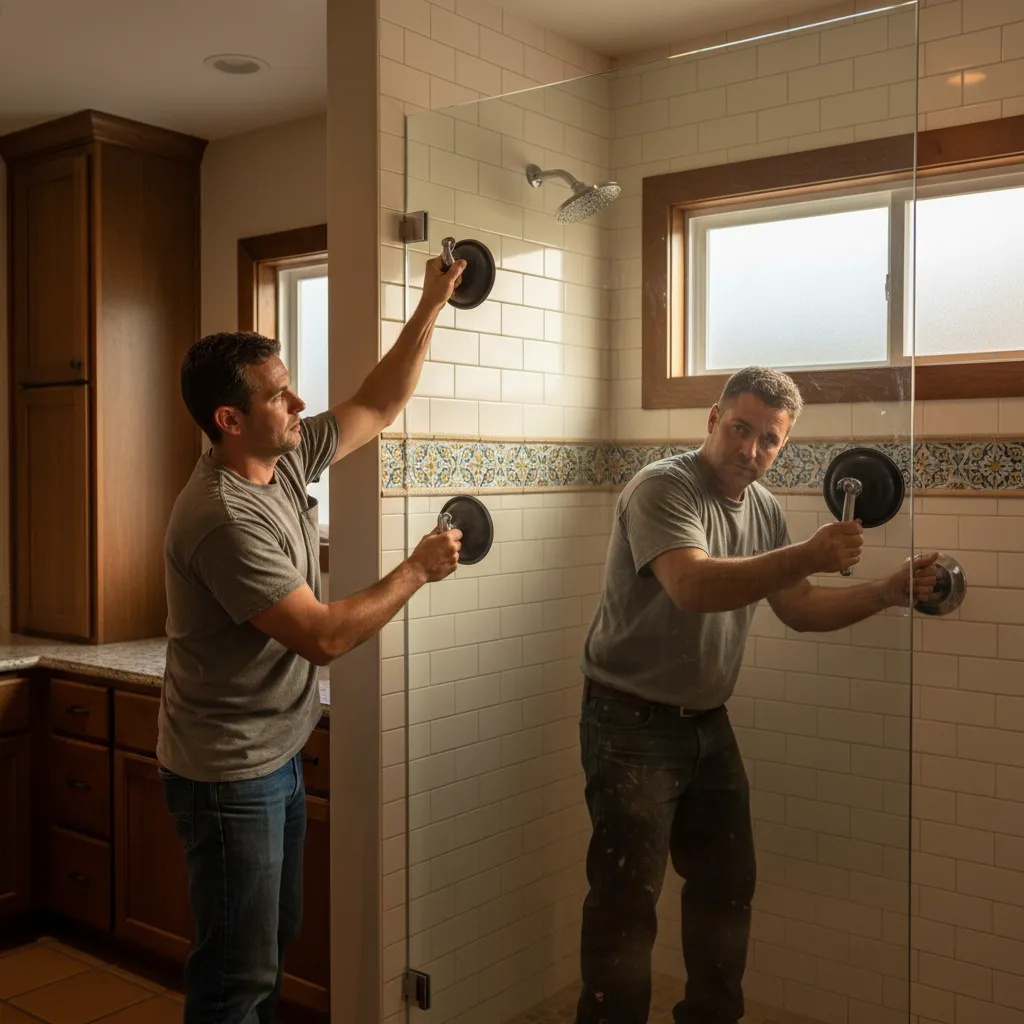
Most homeowners in Van Nuys don't realize a walk-in shower conversion requires a permit. It does. Every single time.
The City of Los Angeles requires a building permit for any work that changes plumbing lines or modifies drain locations. That covers almost every shower conversion. You're moving a drain, rerouting supply lines, sometimes adding a linear drain where a tub drain used to sit. All of that triggers a permit through the LA Department of Building and Safety. A contractor handles the paperwork so you don't have to stand in line at the Van Nuys Civic Center or guess which forms to file.
What the Permit Actually Covers
People ask why they can't just skip it. Here's the honest answer: unpermitted work can kill a home sale later. It can also void your homeowner's insurance if water damage happens. The permit process exists to protect you, not slow you down. According to the LA Department of Building and Safety, plumbing alterations in residential properties require both a permit and a final inspection before the work is considered code-compliant.
Here's what the permit process looks like for a typical walk-in shower conversion:
- The contractor surveys your existing bathroom and documents the current plumbing layout.
- The contractor prepares the permit application with a scope of work description.
- Plans get submitted to LADBS, with approval usually in five to ten business days.
- Construction starts once the permit is issued and posted on site.
- A city inspector visits after rough plumbing is done and again at final completion.
More often than not, the inspection passes on the first visit. That's because a good contractor builds to code from day one, not retrofit things after an inspector flags a problem.
Some older homes near Sepulveda or along Victory Boulevard have galvanized pipes that need to be addressed before new shower plumbing goes in. A contractor catches that during the initial survey. And if your bathroom sits on a slab foundation, the drain relocation gets a little more involved. But none of this changes the permit requirement. It just means planning for it upfront so there are no surprises mid-project.
Skipping permits feels easier. But a licensed contractor won't do it — and your home deserves better.
Design Choices That Fit Small Bathrooms
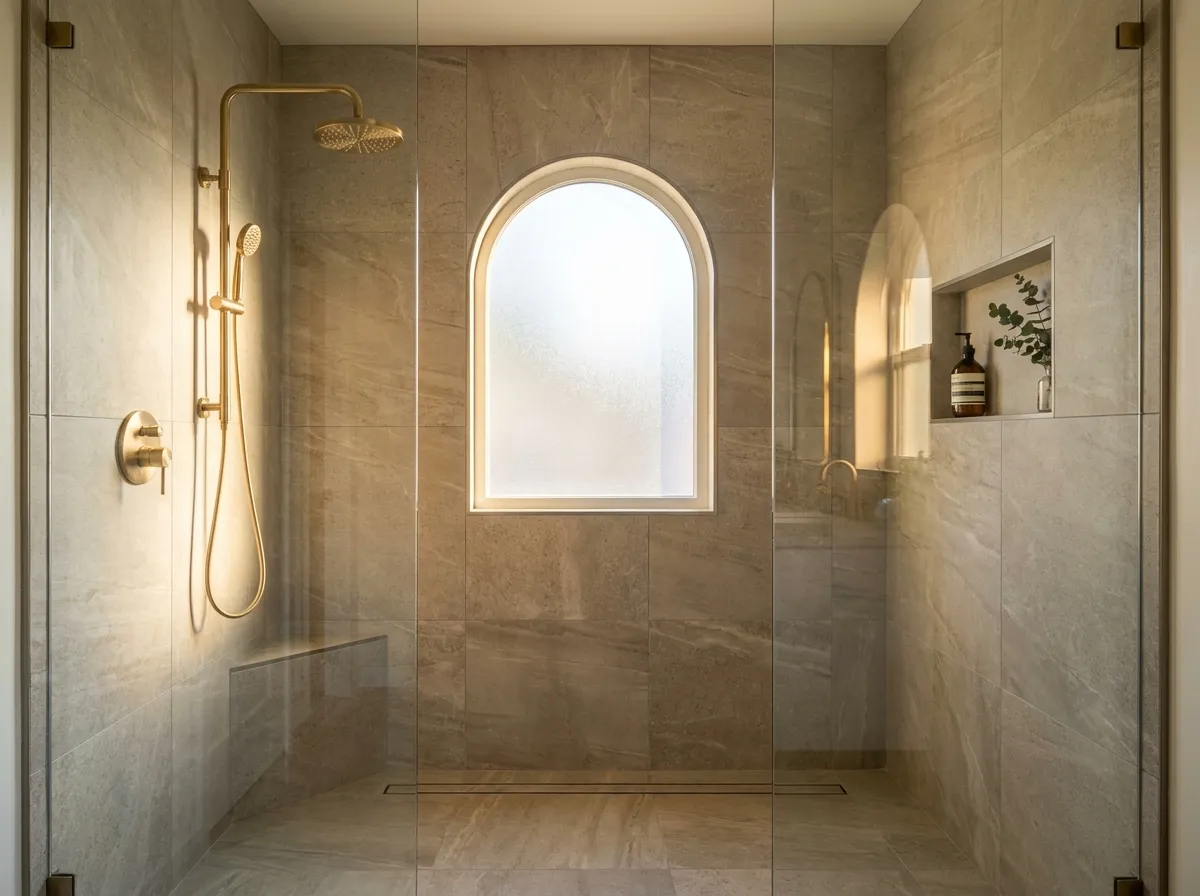
Most bathrooms across Van Nuys aren't big. Think 40 to 60 square feet. That's pretty standard for homes built here in the 1950s and '60s. But a smaller bathroom doesn't mean you're stuck with fewer options for your walk-in shower conversion. It actually means the design choices matter more.
The biggest mistake people make? Picking a shower layout before measuring the door swing.
It happens constantly. Someone falls in love with a tile pattern or a rain showerhead, but they haven't thought about how the space actually flows. In a tight bathroom, every inch counts. A fixed glass panel instead of a hinged door saves you about 24 inches of clearance. That's the difference between bumping your elbow and moving freely. Frameless glass is almost always the better call for smaller rooms because it keeps the sightline open and makes the whole space feel bigger than it is.
Here are design moves that work well in compact Van Nuys bathrooms:
- Linear drains along the back wall, so the floor can slope gently without a raised curb eating up space
- Built-in wall niches instead of hanging caddies that crowd the shower area
- Light-colored large-format tile to reduce grout lines and trick the eye into seeing more room
- A corner bench that doubles as a shelf when you're not sitting on it
Tile size is something homeowners in the Lake Balboa area ask about a lot. Smaller tiles with lots of grout lines can make a small shower feel busy, almost cramped. 12-by-24 tiles or larger usually work best. Fewer seams. Cleaner look. And less grout to scrub later.
Another thing worth knowing. According to the National Kitchen and Bath Association, a shower should be at least 36 by 36 inches for comfortable use. A contractor can work with that footprint and still deliver a walk-in shower conversion that feels open and modern. It just takes careful planning up front.
Want to talk through what'll work in your space? Give us a call.
And don't overlook lighting. A single overhead fixture makes a small shower feel like a cave — a recessed LED or two inside the shower itself makes all the difference. It changes everything about how the finished room feels when you step in.
The One-Bathroom Home Question
You've got one bathroom. That's it. And now you're wondering if a walk-in shower conversion is even possible without losing your only tub.
This question comes up all the time from homeowners near Panorama City and across Van Nuys. The worry is real. "What if I need to resell?" "What about bathing the kids?" These are fair questions, not reasons to stop the project.
Here's the honest take. If you have small children who need a tub every night, keep the tub for now. But if your household is mostly adults, or your kids are old enough to shower on their own, that tub is just eating up space you could use better. A walk-in shower conversion gives you room to move, easier daily access, and a bathroom that actually works for how you live right now.
What About Resale Value?
The National Association of Realtors has noted that updated bathrooms rank among the top features buyers look for. A modern walk-in shower with clean tile and a frameless glass panel looks sharp, and it photographs well for listings too. Most buyers in this market aren't hunting for a bathtub. They want something that feels fresh and finished.
That said, every situation is different. Some families plan to add a second bathroom down the road. The contractors we match you with handle full bathroom remodels and home addition construction, so if you want to convert now and add a tub somewhere else later, that's a well-worn path.
The real question isn't "should I keep my tub?" It's "does my tub match my life?"
More often than not, the answer is no. The tub collects shampoo bottles and dust. Nobody's taken a bath in months. Meanwhile you're stepping over a high ledge every morning and dealing with a shower head that barely clears the curtain rod.
If that sounds familiar, you already know what you want. A walk-in shower conversion turns that awkward space into something you'll actually enjoy using every single day. And in a one-bathroom Van Nuys home, making that one room work harder for you isn't a luxury. It's just smart.