Signs Your Windows Are Ready to Fail
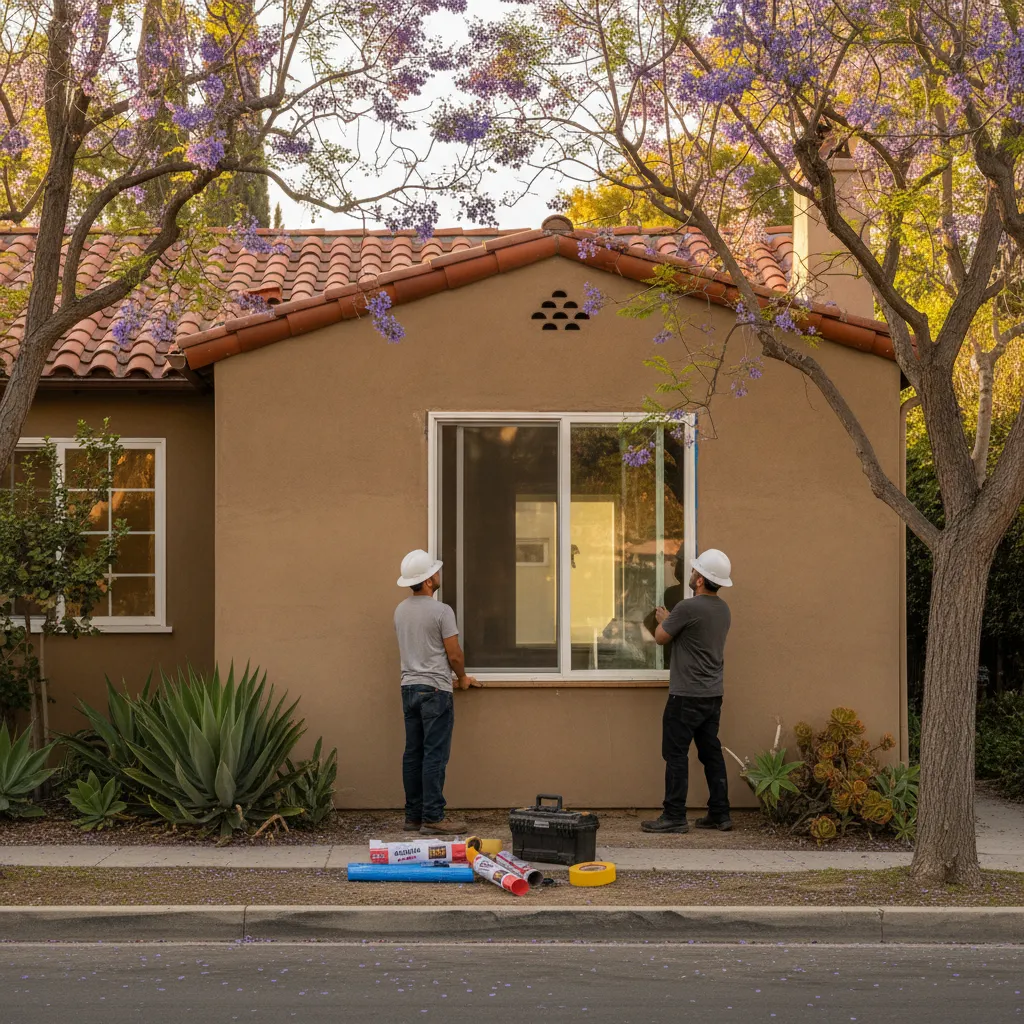
You probably won't wake up one morning to a shattered pane. That's not how it works. Window failure is slow, quiet, and easy to ignore until it's not.
Calls come in every week from homeowners in Van Nuys who say the same thing. "I thought it was just a little fog." Or "I figured the draft was normal." By the time they reach out, the damage has already spread to the frame, the sill, or even the surrounding drywall. Catching these signs early saves you real money and a lot of frustration.
Here's what to watch for:
- Condensation between the glass panes. That cloudy, milky look means the seal is broken. Moisture is trapped inside, the insulating gas is gone, and the window can't do its job anymore.
- Drafts near closed windows. Hold your hand along the edges on a cool evening. If you feel moving air, the weatherstripping or frame has failed.
- Difficulty opening or closing. Frames warp over time, especially with the heat we get around Lake Balboa and the surrounding areas. A window that sticks or won't latch is a security risk too.
- Visible rot or soft spots on wood frames. Press your fingernail into the sill. If it sinks in, rot has already taken hold.
- Higher energy bills with no clear cause. Old windows leak conditioned air all day long. The U.S. Department of Energy reports that heat gain and loss through windows account for 25 to 30 percent of home heating and cooling energy use.
It's not just one window. If one has failed, the others installed at the same time are right behind it.
And here's something most people don't think about. Water intrusion from a bad seal doesn't just fog the glass. It rots the rough framing behind the window. On homes built in the 1970s, contractors have pulled out windows and found soft, crumbling wood studs hidden behind stucco that looked fine from the outside. That kind of hidden damage turns a straightforward window replacement into a bigger repair if you wait too long.
So if you're noticing any of these signs, don't talk yourself out of it. Trust what you're seeing.
Why the San Fernando Valley Is Hard on Window Seals
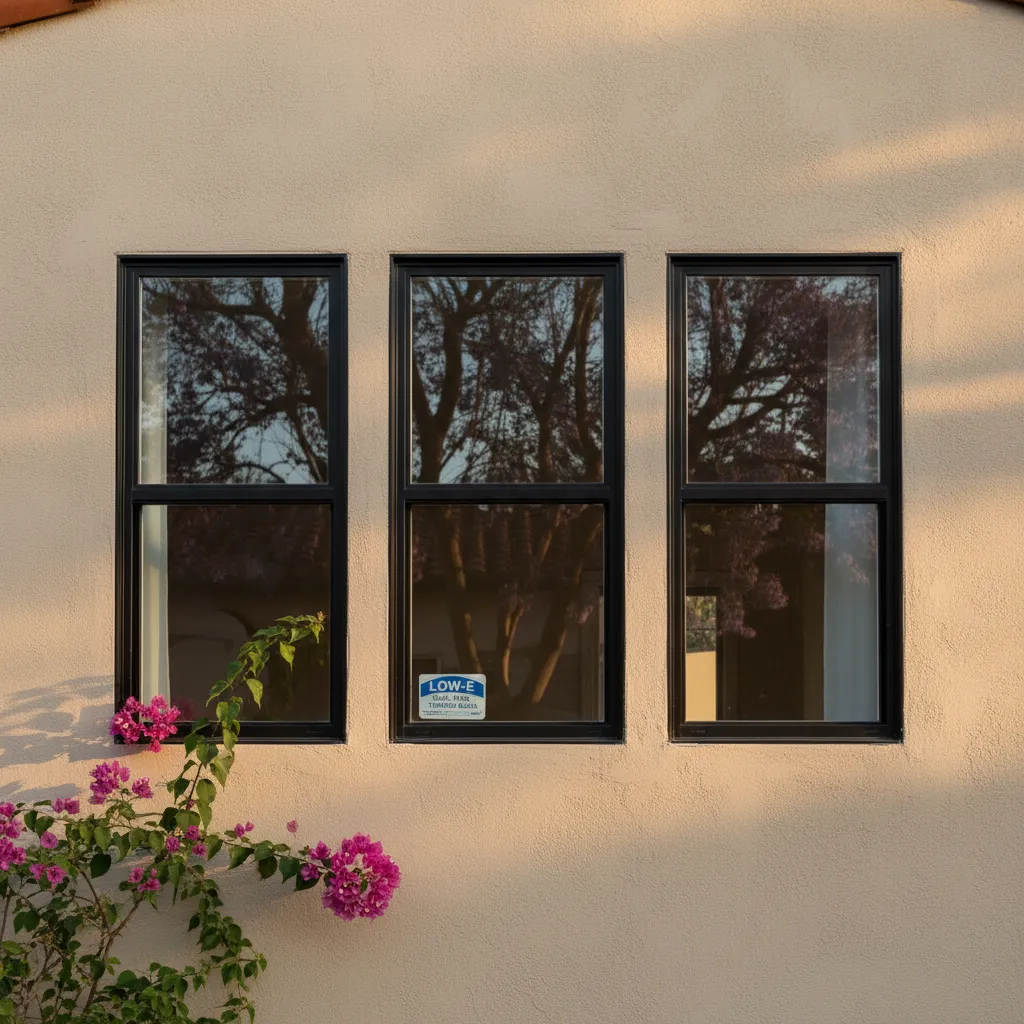
Most people don't think about their window seals until something goes wrong. A foggy pane. A draft that wasn't there last year. A utility bill that keeps climbing. It shows up every single week in Van Nuys.
The Valley sits in a basin. Heat gets trapped here in ways the coast never deals with. Summer afternoons push past 110 degrees regularly, and that radiant heat beats directly on your windows for hours. Then nighttime rolls around and temps can drop 30 or 40 degrees. That constant expansion and contraction breaks down seal material faster than most homeowners realize. Energy research shows failed window seals can increase energy loss by up to 25 percent through a single pane.
And it's not just summer. Winter mornings near Lake Balboa or along Sepulveda can dip into the low 40s. Your window frames expand in the afternoon sun, then contract overnight. Year after year, that cycle grinds away at the adhesive and gasket material holding everything together.
Here's what that looks like in real life:
- Condensation trapped between double-pane glass that won't wipe away
- Visible gaps where the frame meets the wall or sash
- A whistling sound near windows when Santa Ana winds kick up
- Uneven temperatures from room to room, even with the AC running
It's the same thing every time. The seal failed quietly months ago, the insulating gas leaked out, and now you're paying to cool air that's escaping through glass that looks fine from across the room.
Older homes in Van Nuys take the worst hit. Many were built in the 1950s and 60s with single-pane aluminum frames. Those windows were never designed for the kind of temperature swings we get here. But even newer dual-pane units installed 15 or 20 years ago are reaching the end of their effective life in this climate. The Valley just accelerates the wear.
So if your windows seem fine from the outside but your energy bills tell a different story, the seals are probably the reason.
Permits, Title 24, and What Van Nuys Homeowners Need to Know
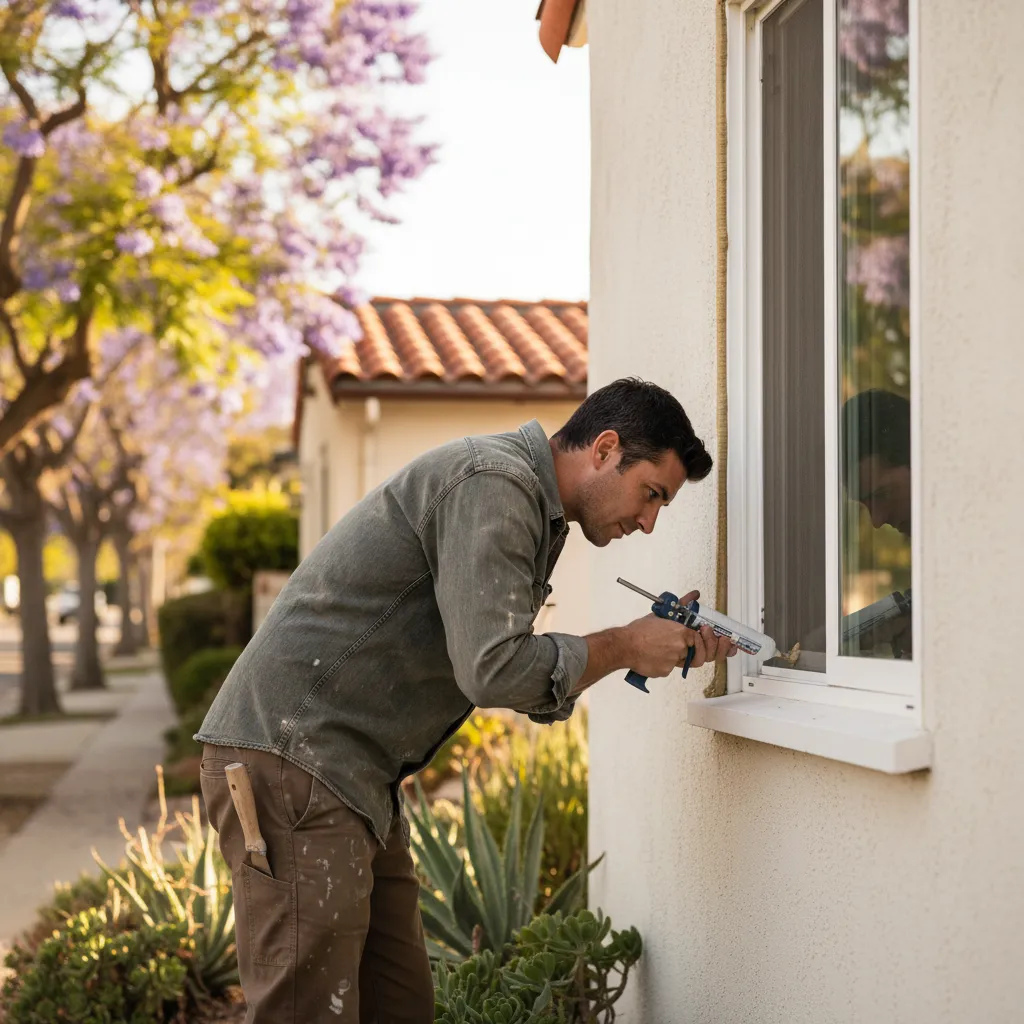
Most people don't think about permits until they're already halfway through a project. That's a problem.
Window replacement in Van Nuys requires a building permit from the City of Los Angeles Department of Building and Safety. Not every single swap triggers one, but the moment you change the size of an opening, alter the frame structure, or add a new window where there wasn't one before, you need that permit pulled. Even a like-for-like replacement can require one depending on your property's zoning. A contractor handles the paperwork on every job because skipping it creates real headaches down the road, especially when you try to sell your home.
Then there's Title 24. California's energy code sets strict requirements for how much heat a window can let in or out. It covers U-factor, Solar Heat Gain Coefficient, and visible light transmittance. For homes near the Lake Balboa border or deeper into Van Nuys, the climate zone demands dual-pane glass at minimum. Most projects end up needing low-E coated glass to pass inspection.
Here's what the permit and compliance process looks like:
- The contractor measures every opening and documents the existing window specs.
- Your property's zoning gets confirmed through the LA Building and Safety portal.
- The permit application gets submitted with energy calculations attached.
- Once approved, the install and the final inspection get scheduled together.
Homeowners who call after a DIY attempt or a handyman job are often dealing with unpermitted work. The city can flag it during a sale, an insurance claim, or even a neighbor complaint. And fixing it after the fact costs more than doing it right the first time.
A licensed general contractor has pulled hundreds of permits through LA's system and knows what triggers extra review and what sails through. You shouldn't have to learn the building code just to get new windows. That's the contractor's job.
How Window Replacement Works From Measure to Finish
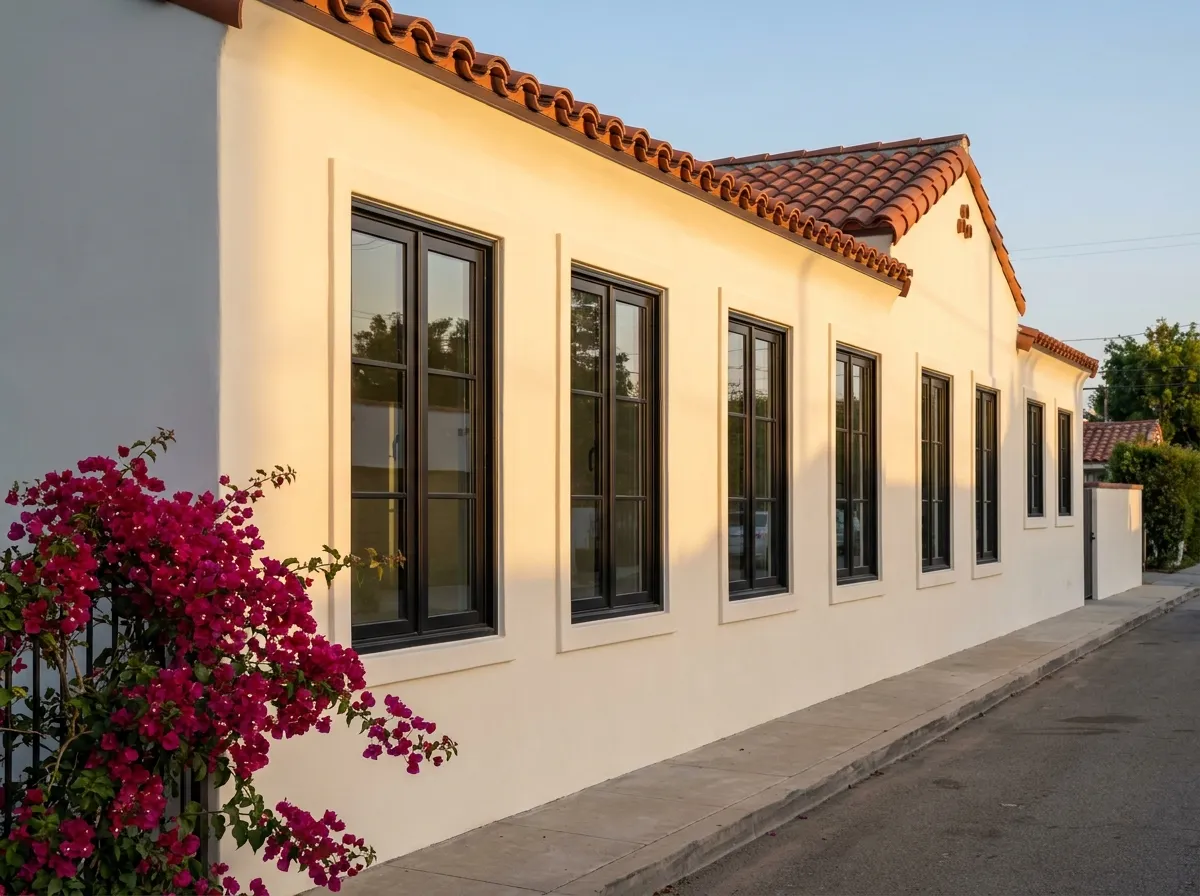
Every window opening in your home is slightly different. That's not a defect. Houses in Van Nuys settle over time, and frames shift with the soil. So a contractor measures every single opening individually before ordering anything.
Here's how the process goes once you've decided to move forward:
- Detailed measurements. Each opening gets measured at three points across the width and three points on the height. The smallest number wins. This keeps the new window from being too large for the rough opening.
- Material and style selection. You pick the frame type, glass package, and grid pattern that fits your home. A contractor walks you through what makes sense for your specific wall construction.
- Order and scheduling. Custom windows take a few weeks to arrive. The install date gets locked in before the order ships so there's no guessing.
- Old window removal. The crew takes out the existing window carefully. The rough opening gets inspected for rot, water damage, or structural issues hiding behind the old frame.
- Installation and sealing. The new unit goes in level and plumb. It gets shimmed, the gaps insulated with low-expansion foam, then flashed and sealed on the exterior. No shortcuts on weatherproofing.
- Trim and cleanup. Interior trim gets reinstalled or replaced. The old windows get hauled away and the area left clean.
A standard window replacement takes about 30 to 45 minutes per opening. A whole house can be done in a day or two depending on how many windows you've got.
The part most homeowners don't think about is what's behind the old frame. On homes near Lake Balboa Boulevard, contractors have pulled windows and found termite damage that went back years. Nobody knew until the old window came out. That's why the inspection step matters so much — it catches problems you can't see from inside the room.
But here's the thing. A bad measurement or a rushed seal will cause you more trouble than the old window ever did. Condensation between panes, drafts along the edges, water sneaking behind stucco. All of those get fixed on jobs where someone else cut corners. A good crew doesn't move to the next opening until the current one is right.
Choosing the Right Window for Hot, Noisy Neighborhoods
Van Nuys gets hot. Like, really hot. Triple digits in July and August aren't a surprise to anyone living here. And if your home sits near Victory Boulevard or the Van Nuys Airport flight path, you're dealing with noise on top of that heat. The window you pick has to handle both problems at once.
This comes up with homeowners every single week.
Most folks think all double-pane windows are the same. They're not. The gas fill between the panes matters. The coating on the glass matters. The frame material matters. A cheap double-pane window from a big box store won't cut your energy bills or block the sound of a 737 on approach. You need to think about what your home actually faces before you decide.
Heat Control Comes First
Look for a low-E coating. It reflects heat away from the glass before it enters your home. Energy efficiency data shows low-E coated windows can cut heat gain by up to 70 percent. That's a real number you'll feel on your electric bill every summer. Argon gas fill between the panes adds another layer of insulation, keeping your AC from running nonstop during those brutal Valley afternoons.
Then Think About Noise
Sound reduction depends on a few things:
- Glass thickness. Thicker panes block more noise.
- Laminated glass. It has a plastic layer inside that dampens vibrations.
- Tight frame seals. Gaps around the frame let sound pour in.
- Asymmetric pane sizes. Two different thicknesses disrupt sound waves better than matching panes.
If you're over near Lake Balboa or closer to the 405, traffic noise is constant. Laminated glass on at least the exterior pane makes a noticeable difference. On some window replacement jobs, the owner couldn't believe how quiet the house got afterward.
Not sure what combination works for your situation? Give us a call and we'll match you with a contractor to walk through it.
But here's the thing most people miss. Frame material plays a big role too. Vinyl frames insulate well and won't warp in the San Fernando Valley heat. Fiberglass holds up even better over decades. Aluminum looks clean but conducts heat like crazy, so it's rarely a good pick for west-facing walls in Van Nuys homes. Pick the wrong frame and your fancy glass won't do its full job.